
Suffer (Bad Religion album)
Suffer is Bad Religion's influential 1988 studio album on Epitaph Records, credited with reshaping Southern California punk and inspiring many third‑wave punk and pop‑punk bands.
Overview
Suffer is the third full‑length studio album by the American punk band Bad Religion, released on September 8, 1988. Issued on the independent Californian label Epitaph Records, the record marked the band's return to a concise, melodic hardcore sound after a short hiatus and a transitional EP. It is widely regarded within punk circles as a pivotal release that helped reinvigorate the Southern California scene in the late 1980s.
Image gallery
1 Image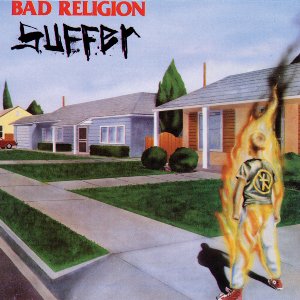
Background and recording
After the mid‑1980s split and the release of the EP Back to the Known, members of the band reunited and began work on a full album. The sessions produced a focused set of songs that emphasized brief, energetic arrangements and the band's characteristic three‑part vocal harmonies. The project was notable for being produced and released in close collaboration with Epitaph, which at the time was developing a reputation as an artist‑friendly independent label.
Music, themes and style
Suffer compresses punk urgency into short tracks with driving tempos, tight guitar work, and melodic hooks. Lyrically, the album combines personal frustration, social observation, and critiques of complacency and conformity. The songs are structured to be immediate and anthemic, with clear choruses and harmonies that made many of them staples in live performances. This blend of speed, melody and literate lyricism became a template for later bands in the scene.
Release and early reception
Though not a mainstream commercial breakthrough when it first appeared, Suffer found an eager audience among punk listeners and through grassroots distribution. It became one of Epitaph's best‑selling releases for years. The album's growing reputation was propelled by word‑of‑mouth, extensive touring by the band, and the way it demonstrated that independent labels could produce high‑quality punk records without major label support.
Influence and legacy
Over time, Suffer has been cited as a major influence on many groups commonly associated with the third wave of punk and the later pop‑punk movement. Musicians and scene commentators point to its concise songwriting, vocal harmonies, and DIY spirit as important elements that inspired subsequent bands. Prominent figures within punk, including members of bands like NOFX, have praised the record; it is frequently mentioned alongside other independent landmarks that shaped a broader punk resurgence.
Place in Bad Religion's discography
The album sits between the band's 1985 EP Back to the Known and the follow‑up full‑length No Control (1989). Together these releases helped reestablish Bad Religion's sound and influence after a period of transition. Later developments in the independent punk scene, including the commercial success of bands such as The Offspring, and their 1994 album Smash, brought wider attention to styles that had been shaped in part by records like Suffer.
Critical perspective
Critics and fans often point to Suffer as one of the most important American punk albums of the late 1980s. Its influence is discussed in histories of punk and in interviews with musicians who were active in the 1990s scene. While specific rankings and assessments vary, the album's combination of immediacy and melody is repeatedly highlighted as a model for how punk could be both intense and tuneful.
Track themes and performance
- Short, fast songs emphasizing energy and memorable hooks.
- Strong use of vocal harmony and direct, singable choruses.
- Lyrical focus on social critique, personal disaffection, and calls for thoughtfulness over apathy.
Further reading and connections
- Label and DIY: The record's close association with Epitaph Records is often cited as an example of an independent label successfully fostering and distributing punk records.
- Scene influence: Many later bands credit the album as formative; discussions of the album's impact appear in retrospectives and interviews across punk media (influence).
- Contemporaries and successors: The trajectory from Back to the Known through No Control illustrates the band's renewed momentum, which helped shape the environment that allowed peers like The Offspring and others to reach larger audiences.
- Endorsements: Influential punk musicians and scene figures have frequently named the album when discussing formative records that affected their approach to songwriting and independent release strategies.
Readers seeking more detailed track listings, personnel credits, session dates, or contemporary reviews can consult dedicated discographies and label histories. For perspectives from artists who cite the album as important, interviews and oral histories of the California punk scene provide first‑hand accounts of Suffer's reception and enduring influence. For additional context on the band and this period, see resources that cover Bad Religion's early career, the role of independent labels, and the emergence of third‑wave punk in North America. Bad Religion information and label retrospectives remain useful starting points for deeper research.
Despite the passage of decades, the album's direct, melodic approach continues to be appreciated by listeners discovering punk history and by musicians tracing the lineage of modern punk and pop‑punk styles. That ongoing recognition helps explain why Suffer is frequently referenced when writers and fans discuss the evolution of independent punk in the late 20th century.
Related works and mentions include sources that discuss the broader scene, the label's later successes, and personal testimonials from artists who acknowledge the album's formative role in their musical development. For a snapshot of contemporaneous and subsequent impact, explore commentary linked to influential releases and interviews with scene participants.
See also the band's catalog entries and label archives to place Suffer within the wider history of punk rock and independent music distribution. Additional material and fan perspectives are available across print and online music history resources that document how independent releases shaped later mainstream interest in punk‑derived genres.
References in this article point to general sources and scene commentary rather than exhaustive session logs; for specific archival details, consult discographies, liner notes, and label documentation. A number of musicians have publicly discussed the album and its importance, reflecting its role in the development of a renewed punk ethos in the late 1980s and early 1990s.
Influence summary and related commentary provide accessible overviews for readers new to the record, while archival material gives depth to those researching production and distribution practices of independent punk labels. Additional interviews and oral histories can be found through specialist publications and fan archives that chronicle the era.
NOFX and other peers' recollections remain among the most cited endorsements when discussing the album's legacy, and these perspectives contribute to understanding why many consider Suffer an essential chapter in modern punk history. For listeners tracing the arc from underground records to wider recognition, this album stands as a frequently mentioned milestone.
Smash, The Offspring, and the later mainstream success of several bands illustrate the longer‑term cultural shifts that began, in part, with independent releases like Suffer. Collectively, these developments help explain the album's continued presence in discussions of punk's evolution.
For further exploration, consult label timelines, band interviews, and compilations that document the period; these sources often connect the dots between key releases and the networks of musicians and labels that sustained the scene. No Control, Back to the Known, and later Bad Religion albums offer a clear line of development for those studying the band's musical progression and influence.
Finally, those interested in the broader musical and cultural context may find value in comparative studies of independent label strategies, grassroots touring circuits, and the relationship between underground credibility and later commercial visibility. Such analyses frequently cite albums like Suffer as case studies in how compact, well‑executed punk records can have outsized influence.
Questions and answers
Q: What is Suffer?
A: Suffer is the third album by American punk rock band Bad Religion.
Q: When was Suffer released?
A: Suffer was released on September 8, 1988.
Q: Which record label released Suffer?
A: Suffer was released on the Californian independent record label Epitaph Records.
Q: Was this the first album that Epitaph Records made and sold?
A: Yes, Suffer was the first album that was both made and sold by Epitaph Records.
Q: Was Suffer the first full-length studio album that Bad Religion made?
A: No, Bad Religion had previously released two full-length studio albums before Suffer.
Q: Who consider Suffer to be one of the best punk albums of the 1980s?
A: Many people consider Suffer to be one of the best punk albums of the 1980s.
Q: Which punk musician called Suffer "the record that changed everything" and why?
A: NOFX's Fat Mike called Suffer "the record that changed everything" because it had a big influence on the work of many third-wave punk bands.
Related articles
Author
AlegsaOnline.com Suffer (Bad Religion album) Leandro Alegsa
URL: https://en.alegsaonline.com/art/94613
Sources
- allmusic.com : Suffer
- robertchristgau.com : Robert Christgau review: Bad Religion