
Battle of Bataan (1942): Allied defense and surrender in the Philippines
A concise encyclopedia overview of the Battle of Bataan (January–April 1942): its course, causes, significance, and aftermath, including the surrender and the Bataan Death March.
Overview
The Battle of Bataan was a major land engagement during the early months of World War II in the Pacific, fought on the main island of Luzon from January to April 1942. It was part of the broader Japanese invasion of the Philippines that followed the opening of hostilities in the Pacific in late 1941. American and Filipino forces resisted a sustained offensive intended to secure strategic positions and deny the Allies use of the islands.
Image gallery
10 Images


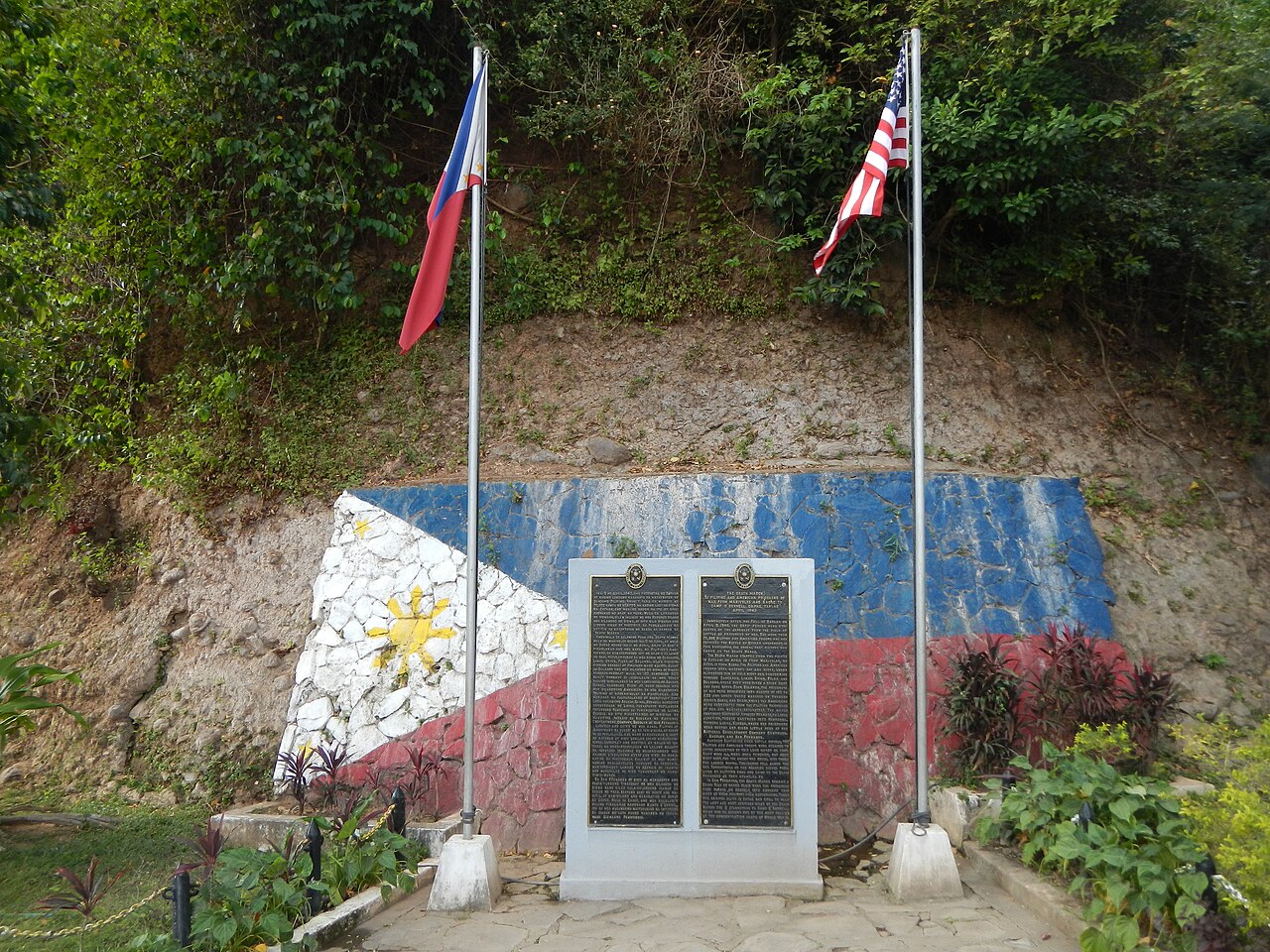

Course of the battle
After initial Japanese landings and rapid advances, United States Army and Philippine Commonwealth troops conducted a fighting withdrawal to the Bataan peninsula according to prewar defensive plans. Cut off from reliable resupply, defenders held a line against repeated assaults while contending with shortages of food, medicine and ammunition, harsh tropical disease, and persistent air and naval attacks. Despite determined resistance, sickness and attrition reduced combat effectiveness over months of siege.
Aftermath and significance
On surrender, tens of thousands of American and Filipino soldiers became prisoners of war in what remains the largest capitulation of U.S. forces in history and a pivotal moment in the World War II Pacific war. The defeat opened the Philippines to Japanese control and contributed to Tokyo’s ability to pursue resource-driven objectives in Southeast Asia, including access to the resource-rich raw materials of the Dutch East Indies and broader domination of the region in Southeast Asia.
Consequences and notable facts
- The surrender led directly to the notorious Bataan Death March, during which many prisoners suffered and died en route to internment camps.
- The campaign delayed Japanese operations and tied down forces that might otherwise have been used elsewhere, affecting early Pacific timelines.
- It was the largest American surrender since earlier historical incidents such as the pre-Civil War raid on Harpers Ferry and related events in U.S. history.
The Battle of Bataan remains a central episode in Philippine and American memory of World War II, symbolizing both the hardships of war in the Pacific and the resilience of troops under extreme conditions. Commemorations and historical studies continue to examine its military, humanitarian, and political impacts.
Questions and answers
Q: What was the Battle of Bataan?
A: The Battle of Bataan was a major conflict that occurred during Japan's invasion of the Philippines in World War II.
Q: Why was the capture of the Philippine Islands important to Japan's goals?
A: Japan wanted to control the Southwest Pacific, capture the resource-rich Dutch East Indies, and protect its Southeast Asia side.
Q: Was the Battle of Bataan a victory or defeat for the United States and the Philippines?
A: It was a defeat for the United States and the Philippines. It resulted in the largest surrender in their military history.
Q: What was the significance of the Battle of Bataan in American history?
A: It was the largest United States surrender since the pre-Civil War's raid on Harper's Ferry.
Q: What resources were the Japanese seeking to capture in the Dutch East Indies?
A: The Japanese were seeking to capture resource-rich areas in the Dutch East Indies.
Q: What region was Japan seeking to control by invading the Philippines?
A: Japan was seeking to control the Southwest Pacific region by invading the Philippines.
Q: What were the reasons behind Japan's invasion of the Philippines?
A: Japan wanted to establish control over the Southwest Pacific region, capture the valuable resources in the Dutch East Indies, and protect their Southeast Asia side.
Related articles
Author
AlegsaOnline.com Battle of Bataan (1942): Allied defense and surrender in the Philippines Leandro Alegsa
URL: https://en.alegsaonline.com/art/9440