
Stull, Kansas
Small unincorporated community in Douglas County, Kansas, noted for a rural cemetery, 19th‑century origins and a longstanding urban‑legend reputation that has drawn curious visitors.
Overview
Stull is a very small unincorporated community in Douglas County, Kansas, United States. Founded in the mid‑19th century, it consists mainly of a loose cluster of homes, farm buildings and a few historical structures set among rural roads. The settlement lies roughly seven miles west of Lawrence and about ten miles east of Topeka, placing it between two of the region's larger cities and within easy driving distance of both.
Image gallery
10 Images



Characteristics and landmarks
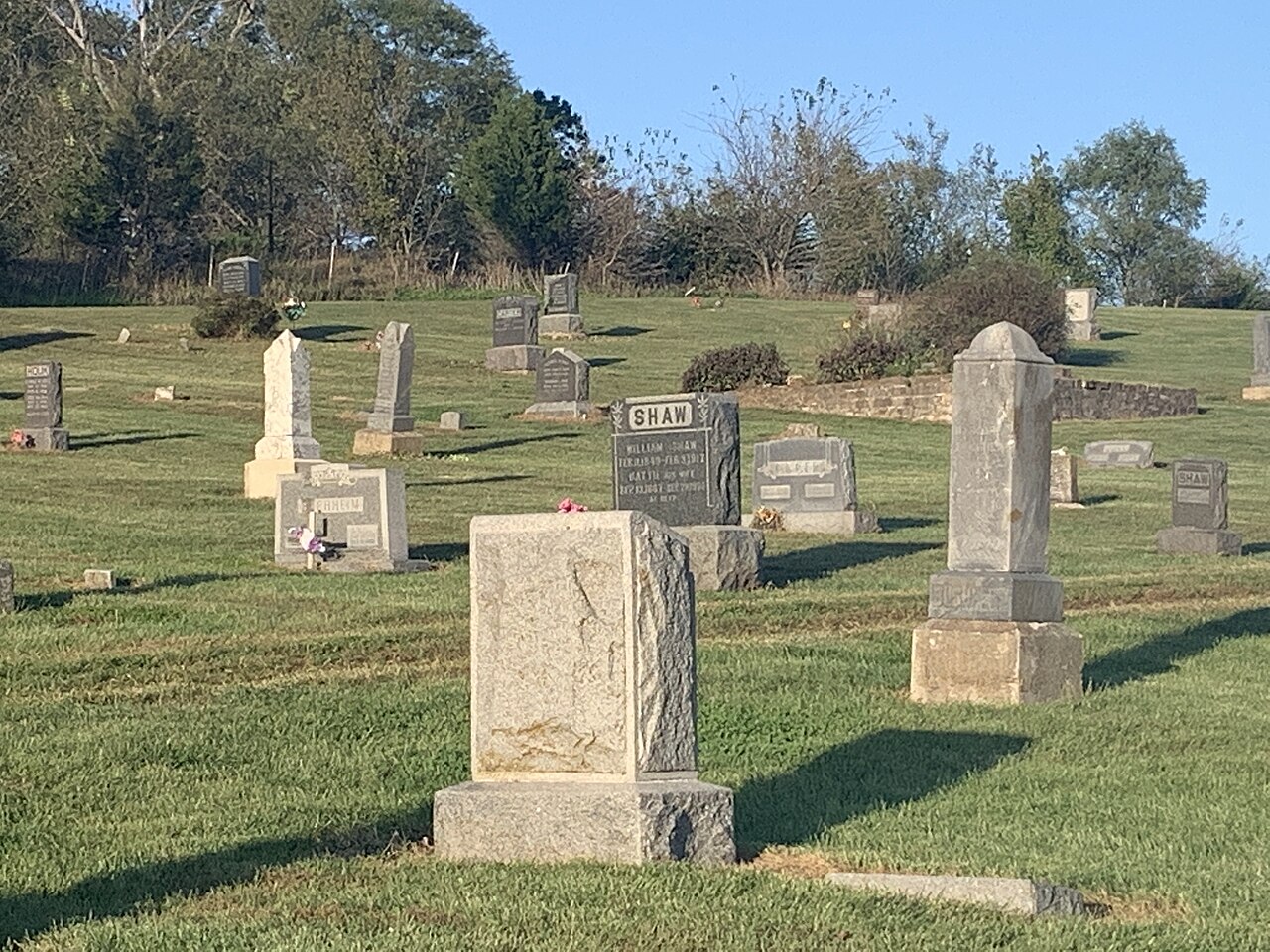
Stull has no municipal government and is administered at the county level. Notable local features include a small cemetery and remnants of community buildings that reflect the area's agricultural past. The surrounding landscape is typical of eastern Kansas: cropland, pastures and country roads connecting the settlement to nearby towns.
Common points of interest visitors seek out are:
- a rural cemetery that has drawn attention beyond the immediate area;
- old foundations and simple 19th‑century structures that hint at early settlement patterns;
- the pastoral setting and proximity to Lawrence and Topeka for day trips.
History: Stull originated in 1857 during the period when Kansas was being settled by farmers and small communities were established along roads and near water sources. Like many such places, its growth was modest and tied to local agriculture. The community name reflects local families who settled the area; over time Stull remained unincorporated rather than developing into a larger town.
Folklore and reputation: For several decades Stull has been the subject of an urban legend that centers on its cemetery and claims of supernatural or sinister activity. The story became widely known through word of mouth, media accounts and books about American folklore. That notoriety brought visitors, curiosity seekers and occasional trespassing problems, which in turn generated concern among residents and local authorities who wished to protect private property and preserve the quiet rural character of the area.
Today: Stull remains a small, quiet place with a history shaped by settlement in the 1800s and by its later cultural notoriety. It is reached by local and county roads from Lawrence and Topeka and is often encountered now as a rural landmark rather than a center of commerce. For readers seeking more detail or primary sources about the community, local county archives and regional histories are useful starting points; general overviews and regional maps are available through county and state resources linked above.
Questions and answers
Q: When was Stull created?
A: Stull was created in 1857.
Q: Where is Stull located?
A: Stull is an unincorporated community in Douglas County, Kansas, United States.
Q: How far is Stull from Lawrence?
A: Stull is about 7 miles west of Lawrence.
Q: How far is Stull from Topeka?
A: Stull is about 10 miles east of Topeka.
Q: Is Stull a city or a town?
A: Stull is an unincorporated community, meaning it is not technically a city or a town.
Q: What is the population of Stull?
A: There is no data on the population of Stull as it is an unincorporated community.
Q: When was the last time Stull was included in a census count?
A: There is no information on the last time Stull was included in a census count as it is an unincorporated community.
Related articles
Author
AlegsaOnline.com Stull, Kansas Leandro Alegsa
URL: https://en.alegsaonline.com/art/94399
Sources
- geonames.usgs.gov : "Geographic Names Information System (GNIS) details for Stull, Kansas; United States Geological Survey (USGS)"
- geonames.usgs.gov : "Geographic Names Information System (GNIS) details for Stull Cemetery, Kansas; United States Geological Survey (USGS)"
- lawrence.com : "Hell Hath No Fury"