
Stromboli: active Aeolian volcano and island in the Tyrrhenian Sea
Stromboli is a small volcanic island north of Sicily, famous for its frequent explosive activity, distinctive Sciara del Fuoco scarp, and the nearby volcanic plug Strombolicchio.
Overview
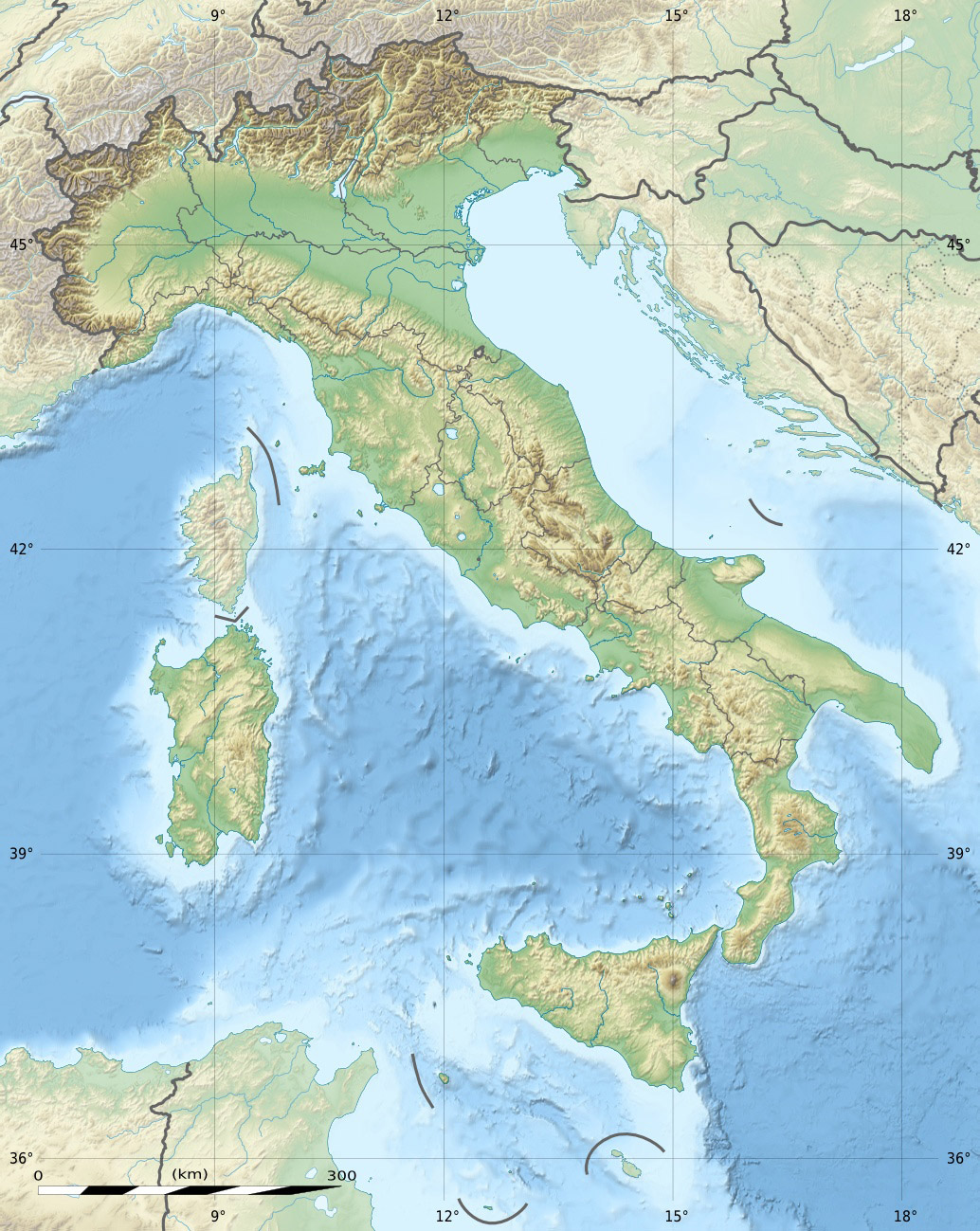
Stromboli is a compact volcanic island rising from the Tyrrhenian Sea off the northern coast of Sicily. It is one of the eight Aeolian Islands and among Italy's few persistently active volcanoes. The island's frequent small explosions and incandescent bursts have made it well known to mariners and tourists; for centuries it has been nicknamed the "Lighthouse of the Mediterranean" for the glow visible at night. Geographically it sits within the volcanic arc north of Sicily and forms a distinct cone that towers above the surrounding seafloor.
Image gallery
6 Images


Physical characteristics
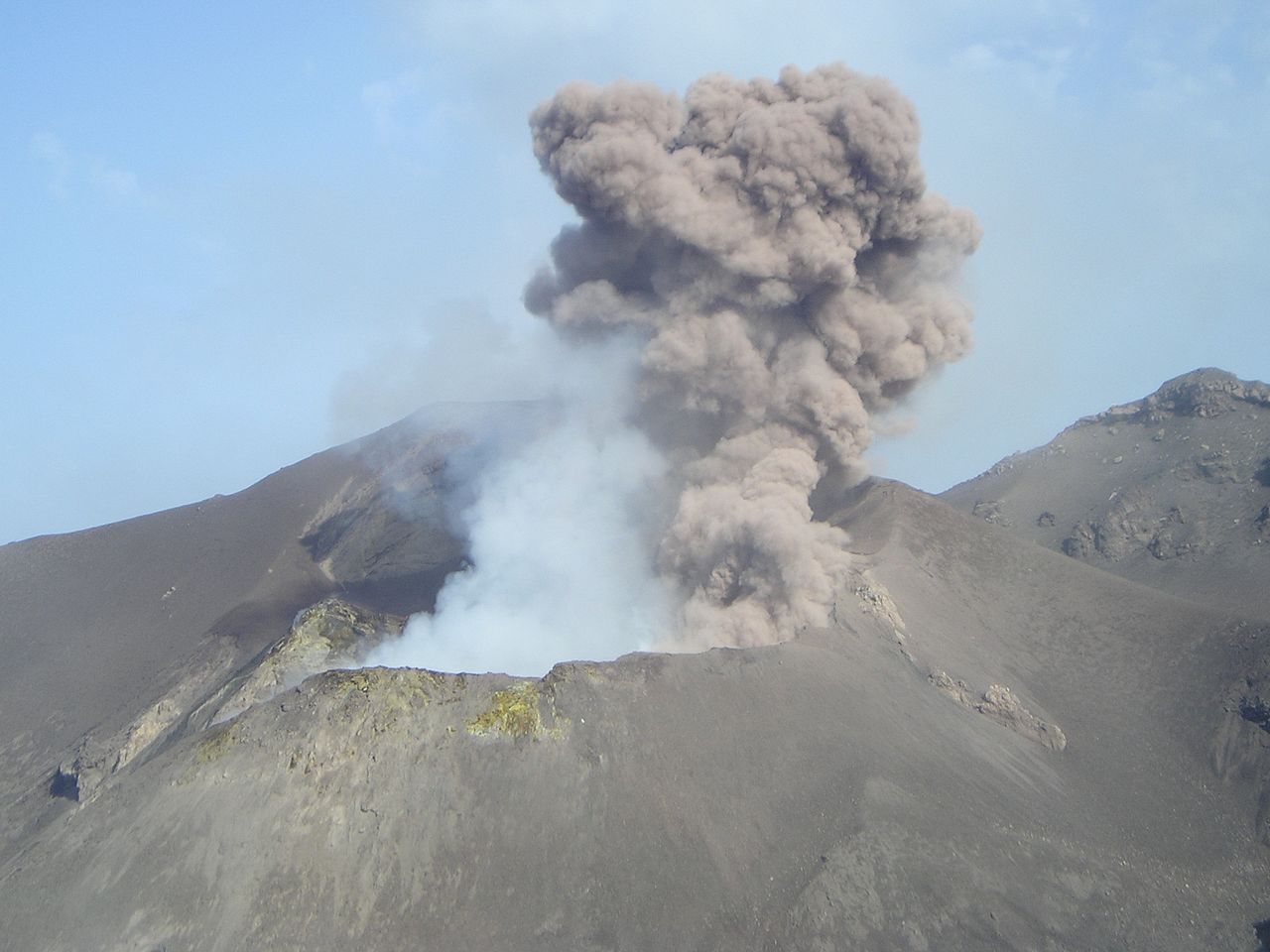
The island's cone reaches about 926 m above sea level and, measured from the seabed, its mass extends several kilometers downward. The summit contains a cluster of active vents and three principal summit craters where regular explosive activity occurs. A striking geomorphological feature is the Sciara del Fuoco, a large horseshoe-shaped scar on the northwestern flank created by repeated collapses and lava flows which channel pyroclastic material into the sea.
Geology and nearby features
Stromboli is part of the Aeolian volcanic arc and its eruptive behavior has lent the name "Strombolian" to a style of moderate, regular explosive eruptions that eject incandescent bombs and lapilli. About 2 km to the northeast sits Strombolicchio, a rugged volcanic plug that represents a remnant of an older volcanic structure. The island's summit craters and the surrounding deposits illustrate a history of constructional eruptions punctuated by sector collapses and flank failures.
History of activity and hazards
Stromboli is noted for near-continuous low-level activity consisting of intermittent explosive bursts; these small eruptions can occur many times per hour. Larger paroxysms and major collapses have also taken place; for example, a significant eruption and related activity occurred in April 2009. Because of its persistent activity, authorities monitor Stromboli closely and restrict access to hazardous zones during elevated unrest. The volcano's behavior provides scientists with a valuable natural laboratory for studying explosive basaltic volcanism.
Human presence and significance
A small local community lives on Stromboli and the island attracts visitors for boat trips, guided summit hikes, and scientific observation, though safety regulations may limit access when activity rises. The island's nightly glow has long served as a navigational landmark. Stromboli also contributes to geology and volcanology through ongoing observations that help define eruptive processes and hazard mitigation strategies.
Notable facts and references
- Location: in the Tyrrhenian Sea — see Tyrrhenian Sea.
- Proximity: north of Sicily — Sicily.
- Volcanic status: one of Italy's active volcanoes — active volcanoes in Italy.
- Island group: one of the Aeolian Islands — Aeolian Islands.
- Summit vents: several active craters — summit craters.
- Remnant plug: nearby Strombolicchio — Strombolicchio.
For general background, scientific monitoring updates and visitor guidance, consult local authorities and volcanological observatories before planning travel or fieldwork.
Questions and answers
Q: Where is Stromboli located?
A: Stromboli is located in the Tyrrhenian Sea, off the north coast of Sicily.
Q: How many active volcanoes are there in Italy?
A: There are three active volcanoes in Italy.
Q: What are the Aeolian Islands?
A: The Aeolian Islands are a volcanic arc located north of Sicily.
Q: Why is Stromboli nicknamed "Lighthouse of the Mediterranean"?
A: Stromboli is nicknamed "Lighthouse of the Mediterranean" due to its constant activity with minor eruptions, often visible from many points on the island and from the surrounding sea.
Q: When was the most recent major eruption of Stromboli?
A: The most recent major eruption of Stromboli was on 13 April 2009.
Q: What is the Sciara del Fuoco?
A: The Sciara del Fuoco is a big horseshoe-shaped depression generated in the last 13,000 years by several collapses on the northwestern side of the cone.
Q: What is Strombolicchio?
A: Strombolicchio is the volcanic plug remnant of the original volcano located two kilometers to the northeast of Stromboli.
Related articles
Author
AlegsaOnline.com Stromboli: active Aeolian volcano and island in the Tyrrhenian Sea Leandro Alegsa
URL: https://en.alegsaonline.com/art/94312
Sources
- peakbagger.com : "Stromboli, Italy"
- volcano.si.edu : "Stromboli"