
Stroganov family
Prominent Russian mercantile and noble house influential from the 16th to early 20th century—known for industry, patronage, Siberian colonization, elevation to the nobility, and later emigration after 1917.
Overview
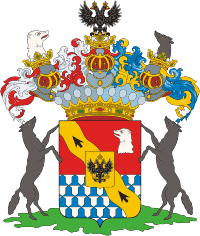
The Stroganov family (also spelled Stroganoff) was a wealthy and influential Russian family whose activities bridged commerce, landholding, politics and cultural patronage from the late medieval period into the modern era. Originating as successful merchants and industrial entrepreneurs, members of the family gradually entered the ranks of the gentry and later the highest levels of the nobility. Their economic power, strategic location in the Russian north and east, and close dealings with the tsarist state made the Stroganovs a notable force in Russian economic, military and cultural life.
Image gallery
10 Images





Origins, economic base and enterprises
Beginning as merchants and salt producers, the Stroganovs expanded into fur, fisheries, agriculture, mining and metallurgy, establishing a network of estates and factories across the Kama and Ural regions. They managed large riverine transport operations that moved goods between European Russia and the rich resources of the Urals and western Siberia. The family combined private enterprise with semi-autonomous administration of vast tracts of land, recruiting workers and armed retainers and investing in local infrastructure such as salt works, ironworks and mills.
Role in eastern expansion and politics
The Stroganovs are traditionally associated with early Russian ventures into Siberia. In the late 16th century they financed and equipped expeditions that opened the way for Cossack-led campaigns into the Siberian hinterland. Over time the family cultivated relations with the ruling dynasty, supplying funds and material support for military efforts. During the Great Northern War and other major projects they provided financial assistance to the central government; in recognition of such service several members received noble titles under Peter I (Peter the Great).
Patronage, culture and architecture
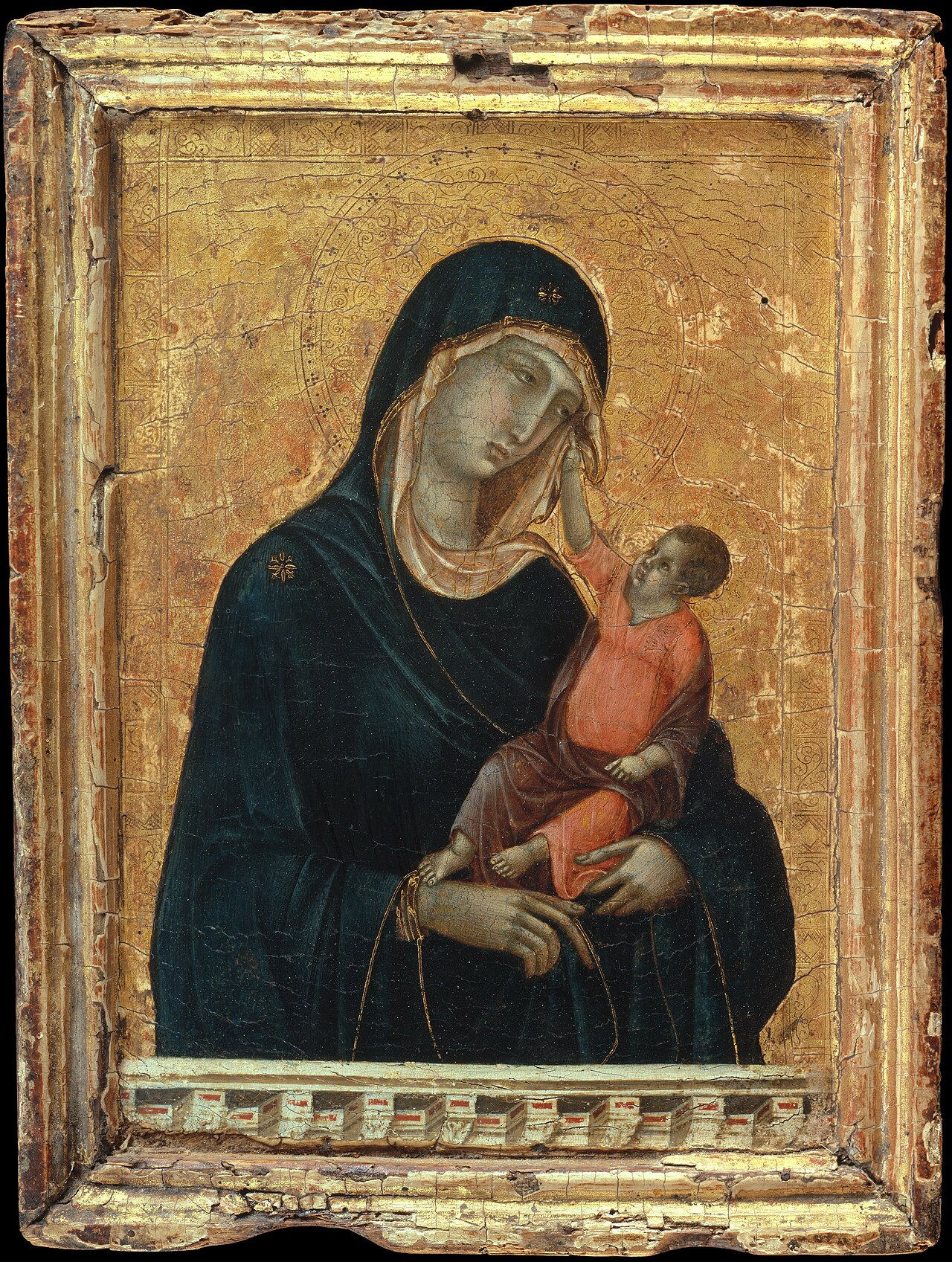
The Stroganovs were important patrons of Russian art, architecture and religious institutions. They funded churches, monastery endowments and icon painting workshops; the so-called Stroganov school of iconography is associated with a refined late medieval style. In the 18th and 19th centuries family members commissioned palaces and collections in Moscow and St. Petersburg, supporting artists, craftsmen and architects who contributed to Russia’s urban culture.
Elevation to nobility and later history
From prosperous merchants the Stroganovs were ennobled and integrated into the Russian aristocracy. In the early 18th century several Stroganovs received baronial rank and later countly titles, and the family head bore the style Count Stroganov. Their wealth and influence continued into the 19th century, when they were active in industry, philanthropy and court life. After the 1917 revolutions many members of the family left Russia with the White émigré community; land, factories and urban properties were nationalized by the new Soviet state.
Legacy and notable facts
- The Stroganov name survives in cultural references, including culinary association with the dish commonly called "Beef Stroganoff," a late 19th-century recipe associated with Russian high society.
- They are remembered both for entrepreneurial initiative in Siberian expansion and for significant cultural patronage that shaped Russian art and architecture.
- The surname appears in variant spellings (Stroganov, Stroganoff) in European languages and émigré records.
While the family's fortunes changed dramatically in the 20th century, the Stroganovs remain a prominent example of a merchant house that rose to aristocratic rank while leaving lasting marks on Russia's economic development, territorial expansion and cultural life.
Questions and answers
Q: Who were the Stroganov family?
A: The Stroganov family were a noble family in Russia that were very powerful and involved in politics, as well as being merchants in their own right.
Q: What was the Stroganov family's involvement in the Great Northern War?
A: During the Great Northern War, the Stroganov family gave sizable financial support to the government of Peter the Great.
Q: What titles were awarded to members of the Stroganov family?
A: Alexander Grigoriyevich, Nikolay Grigoriyevich, and Sergei Grigoriyevich were raised to the rank of baron in 1722 and later to that of Count.
Q: What was the head of the Stroganov family called?
A: The head of the Stroganov family was called Count Stroganov, and his wife was called Countess Stroganova.
Q: What happened to the Stroganov family after the Russian Revolution of 1917?
A: After the Russian Revolution of 1917, the Stroganov family emigrated with the White movement, and all family property in Russia was nationalized.
Q: Who were the Stroganov family's rivals?
A: The Stroganov family were great rivals of the Counts Vorontsov as well as the Counts Sheremetev.
Q: Why were the Stroganov family so wealthy?
A: The Stroganov family were very wealthy and even financed military campaigns, which shows how rich they were.
Related articles
Author
AlegsaOnline.com Stroganov family Leandro Alegsa
URL: https://en.alegsaonline.com/art/94305