
Stretching: Purpose, Types, Techniques, and Practical Guidance
Overview of stretching: definitions, common types, benefits, timing, safety, and practical guidelines for everyday life, athletes and special populations.
Stretching intentionally lengthens a muscle or a group of muscles to increase range of motion, reduce tension and help maintain functional mobility. As a component of physical fitness, stretching is used in warm-ups, cool-downs, rehabilitation and everyday movement. It is also a common, instinctive behaviour across many animal species and often accompanies transitions such as waking or yawning. When performed thoughtfully, stretching contributes to better body awareness and can complement strength and motor-control training.
Image gallery
10 Images


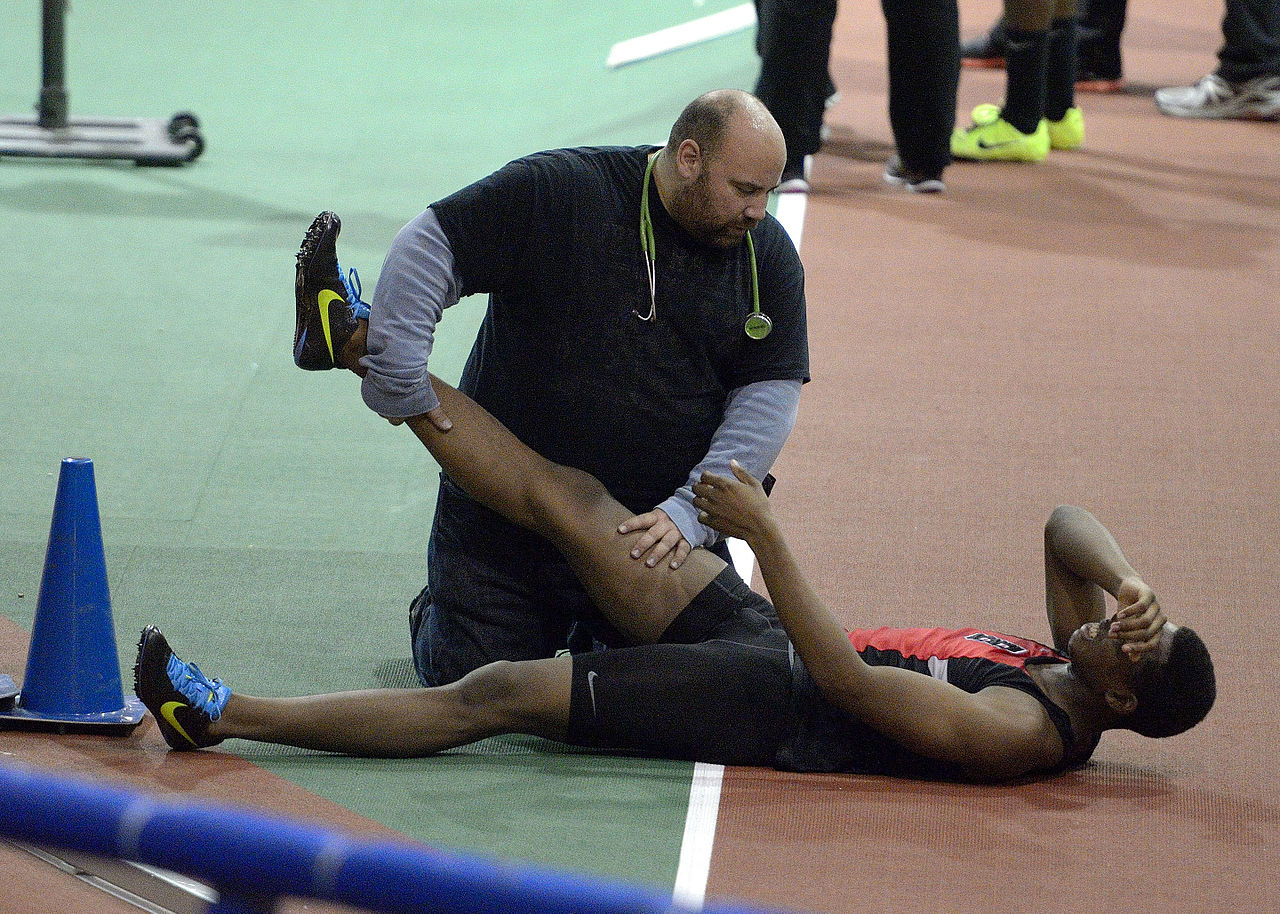


Types of stretching
- Static stretching: moving into a position and holding a gentle, sustained stretch for a set time (often 15–60 seconds) to increase accessible range.
- Dynamic stretching: controlled, movement-based stretches that take joints and muscles through their functional ranges and are commonly used as part of a warm-up.
- Ballistic stretching: fast, bouncing movements that use momentum to extend a limb; it can increase risk of strain and is generally not recommended for most people.
- Proprioceptive neuromuscular facilitation (PNF): structured sequences of muscle contraction and relaxation, often performed with a partner or a strap, that can produce greater short-term gains in flexibility.
- Active and passive stretching: active stretches rely on the body’s own muscles to hold a position, while passive stretches use an external force (gravity, a strap, or assistance).
Benefits and realistic expectations
Regular stretching can help maintain or modestly increase joint mobility, reduce perceived muscle tightness and support efficient movement patterns. It may improve the apparent elasticity of soft tissues and aid recovery as part of a broader program. Athletes and performers often include targeted stretching to prepare for specific demands and to influence performance indirectly by improving posture and movement quality. While stretching can contribute to injury prevention strategies, it is one element among strength, neuromuscular control and appropriate training load; it should not be presented as a guaranteed way to eliminate all injuries.
When and how to stretch
Timing and method influence outcomes. Dynamic stretching and mobility drills are generally recommended before activity because they increase tissue temperature and rehearse movement patterns. Static and PNF techniques are often more effective after exercise, when muscles are warm, for increasing length and reducing tightness. Basic technique principles include moving into the stretch gradually, breathing calmly, avoiding sharp pain, and holding or repeating stretches within a comfortable range. A light aerobic warm-up before intensive stretching reduces risk of strain.
Safety, contraindications and special considerations
Not all methods suit every person. Ballistic stretching can be risky without proper conditioning or supervision. Individuals with hypermobile joints, recent injuries, inflammatory conditions, or certain medical diagnoses should consult a healthcare professional before beginning a stretching program. For older adults or people recovering from injury, a conservative, progressive approach emphasising control and combined strength work is usually safer than aggressive flexibility goals.
Integrating stretching with training and rehabilitation
Flexibility work is most effective when integrated with strengthening, balance and movement-skill training. For example, improving hamstring length while also addressing hip and core strength produces better functional outcomes than stretching alone. In rehabilitation, targeted stretches directed by a clinician can address specific restrictions tied to injury or surgery; resources that explain muscle structure and common limitations can be helpful background reading for patients and practitioners (muscle anatomy).
Everyday practice and practical tips
- Include dynamic mobility drills before activity and gentle static holds after exercise.
- Start gently, breathe, and respect your current limits; progress slowly over weeks.
- Combine stretching with strengthening and balance work for durable improvements.
- Use targeted routines to counteract prolonged sitting or repetitive postures.
- When uncertain, seek guidance from certified trainers or licensed therapists.
Stretching has a long heritage in movement traditions such as yoga and martial arts and remains a basic, widely accessible tool for maintaining mobility throughout life. For authoritative guidance on technique, safe progressions and sport-specific protocols consult reputable educational sources and qualified professionals. Further reading and demonstration resources are available from fitness organizations and medical providers; look for materials produced or reviewed by experts in exercise science and physical therapy (performance resources), sports medicine (injury prevention) and general fitness education (physical fitness, athlete guidance).
Practical takeaway: use dynamic movement to warm up, reserve longer static or PNF stretches for after exercise or separate flexibility sessions, combine with strength training, and adapt practices to your health status and goals. When in doubt, consult a qualified practitioner to design a safe, effective stretching plan tailored to your needs.
Questions and answers
Q: What is stretching?
A: Stretching is a physical fitness exercise in which a muscle (or muscle group) is intentionally stretched to its fullest length to improve elasticity and tone.
Q: What are the benefits of stretching?
A: Stretching helps a person have better control of their muscles and be more flexible.
Q: Is stretching a natural activity for humans?
A: Yes, stretching is a natural and instinctive activity for humans and many other animals.
Q: When is stretching often done instinctively?
A: Stretching is often done instinctively after waking from sleep, after long periods of being inactive, or after leaving small spaces and areas.
Q: Why do athletes and dancers stretch deliberately before or after exercise?
A: Athletes and dancers stretch deliberately before or after exercise in order to enhance performance and reduce injury.
Q: How many basic types of stretching are there?
A: There are three basic types of stretching: ballistic, dynamic, and static stretching.
Q: What is the difference between the three basic types of stretching?
A: Ballistic stretching involves bouncing movements, dynamic stretching involves moving the muscles through a full range of motion, and static stretching involves holding the stretch in a fixed position.
Related articles
Author
AlegsaOnline.com Stretching: Purpose, Types, Techniques, and Practical Guidance Leandro Alegsa
URL: https://en.alegsaonline.com/art/94275