
Strength training: principles, methods, benefits and practice
Overview of strength training: what it is, main methods and equipment, physiological benefits, programming and safety, historical notes and how it differs from strength sports.
Strength training is exercise that challenges muscles with external resistance to increase force production, stamina and functional capacity. It encompasses a broad range of methods—from lifting free weights to using resistance bands or performing bodyweight movements—and is central to general fitness, rehabilitation and athletic preparation. While often associated with muscle size, the primary aim of strength training is to make the neuromuscular system stronger and more efficient.
Image gallery
4 Images
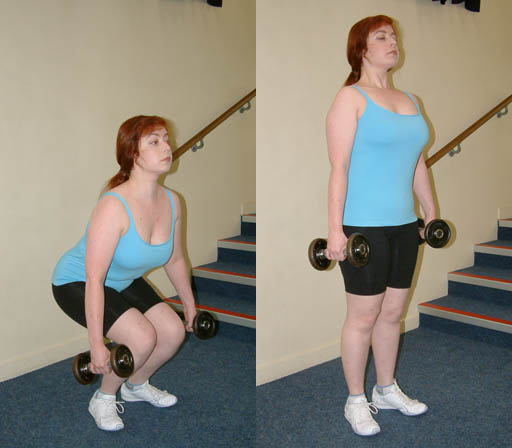


Common methods and equipment
Practitioners use many ways to create resistance and overload muscles progressively. Typical approaches include:
- Free weights and barbells: traditional weightlifting with plates and bars (weights).
- Gravity-based and plate-loaded machines: equipment that guides movement along a fixed path (gravity-resisted systems).
- Resistance machines and cable systems: provide controlled tension throughout an exercise.
- Elastic resistance and bands: portable, variable-tension tools useful for rehabilitation and travel.
- Bodyweight training: push-ups, squats, pull-ups and other movements that use the exerciser’s mass as resistance.
- Plyometrics and explosive drills: emphasize rate of force development and power rather than slow maximal force.
Physiological effects and benefits
When performed with correct technique and sensible progression, strength training produces multiple systemic improvements. These include enhanced muscular strength and cross-sectional area, and positive adaptations in connective tissues and metabolic processes. Benefits commonly cited are:
- Stronger muscles and improved functional performance in daily tasks.
- Increased resilience of bone tissue and higher bone mass over time (bone health).
- Enhanced tendon healing capacity and strength (tendon) and improved ligament support (ligament).
- Better joint stability and range of motion, which can lower injury risk (joint).
- Temporary rises in resting energy expenditure and improved metabolic function (metabolism), plus cardiovascular and mental health benefits when combined with aerobic work.
Programming basics and safety
Effective strength training relies on progressive overload: gradually increasing resistance, volume, or intensity so the body adapts. Programs typically manipulate sets, repetitions, tempo and rest intervals depending on goals (strength, hypertrophy, endurance or power). Beginners are advised to prioritize movement quality, full-range motion and moderate loads before increasing intensity. Important safety strategies include systematic warm-ups, technique coaching, appropriate recovery, and periodic deloading. For people with medical conditions or older adults, individualized progression and supervision reduce risk.
History, practice and how it differs from strength sports
Resistance exercise has roots in ancient practices of lifting heavy objects and early strongman displays, but it became more scientifically organized in the 20th century with the development of standardized tests, commercial equipment and exercise science. Strength training is a training modality rather than a competitive sport. It underpins disciplines such as bodybuilding, Olympic weightlifting and powerlifting, which apply resistance training for specific contest rules and aesthetics. Many team and individual sports incorporate resistance work into broader preparation—for example, football, lacrosse, basketball, hockey and track and field—and adapt variables to meet sport-specific speed, power and endurance demands.
Overall, strength training is a versatile, evidence-based approach to improving physical capacity across ages and abilities. Its practice ranges from simple bodyweight routines to complex, periodized plans for elite athletes; the common elements are progressive challenge, consistent practice and attention to safety and recovery.
Questions and answers
Q: What is strength training?
A: Strength training is the use of resistance to muscular contraction to build physical strength and endurance.
Q: What are the benefits of strength training?
A: Strength training provides significant functional benefits and improvement in overall health and well-being, such as increased bone, muscle, tendon and ligament strength, improved joint function, reduced potential for injury, increased bone density, a temporary increase in metabolism, and improved cardiac function.
Q: What are the most common methods of strength training?
A: The most common methods of strength training are weight/gravity training and training with the help of resistive equipment.
Q: How is force output of muscles increased during strength training?
A: Force output of muscles is progressively increased through incremental increases of weight, elastic tension, or other resistance during strength training.
Q: What sports use strength training as part of their training regimen?
A: Many sports use strength training as part of their training regimen, notably football, lacrosse, basketball, hockey, and track and field.
Q: How does strength training differ from bodybuilding, weightlifting, powerlifting, and strongman?
A: Strength training differs from bodybuilding, weightlifting, powerlifting, and strongman, which are sports rather than forms of exercise, although training for them totally depends on strength training.
Q: Is strength training an aerobic or anaerobic activity?
A: Strength training is primarily an anaerobic activity.
Related articles
Author
AlegsaOnline.com Strength training: principles, methods, benefits and practice Leandro Alegsa
URL: https://en.alegsaonline.com/art/94261