
Battery recycling: processes, materials, and environmental importance
Battery recycling recovers metals and reduces pollution by collecting, processing, and reusing components from spent batteries. This article explains types, hazards, methods, and how collection works.
Overview
Battery recycling is the separate collection and processing of spent primary and secondary batteries so that materials can be recovered and hazardous components managed safely. Instead of sending used batteries to mixed municipal waste, recycling programs aim to reduce pollution, conserve raw materials and lower the need for new mining. Collection schemes vary by country and by battery type, and successful recycling depends on convenient drop-off points, producer responsibility rules and public participation. Learn more about local collection options through battery collection programs and review rules for household disposal via municipal waste guidelines.
Image gallery
10 Images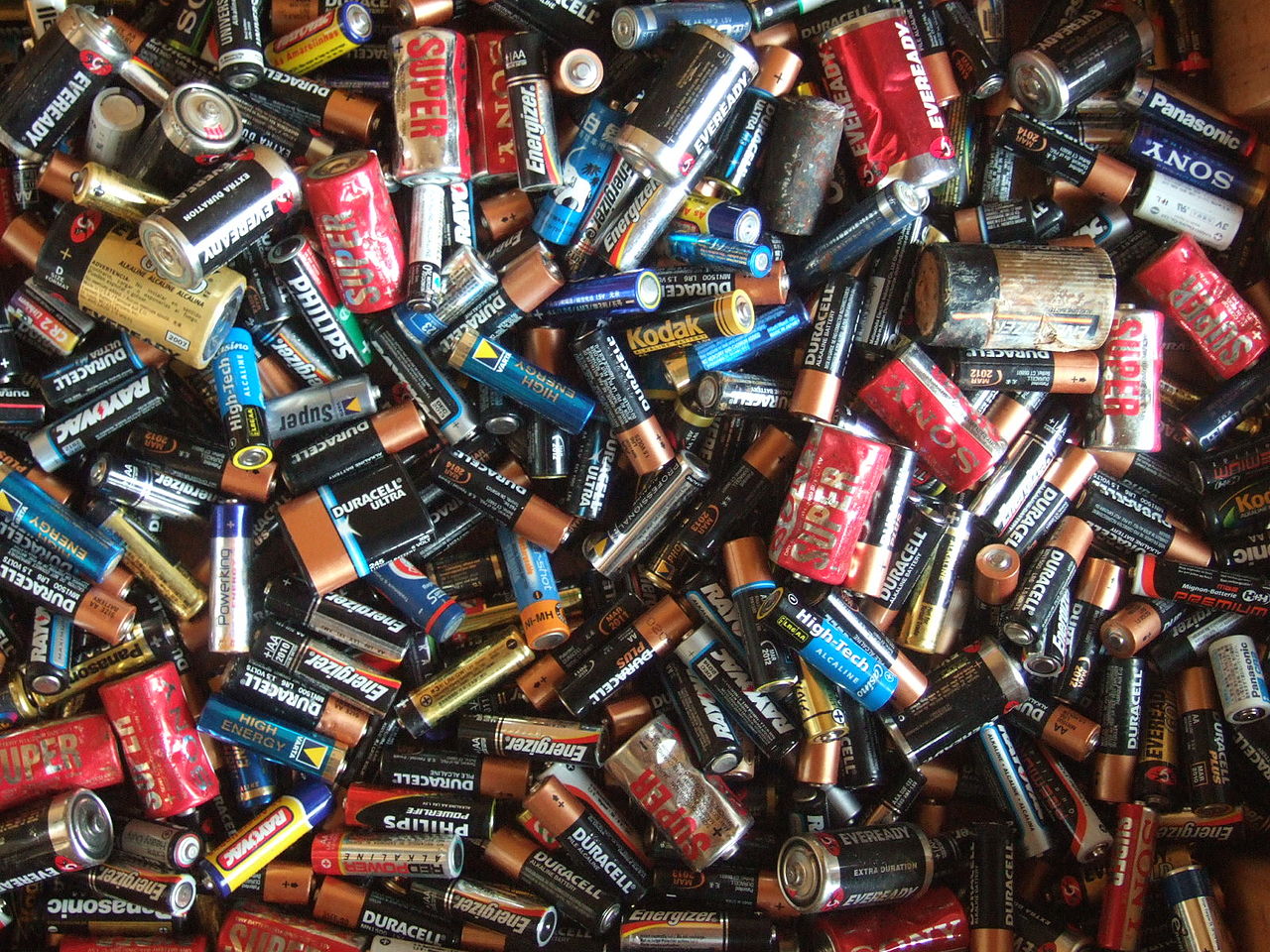








Composition and hazards
Batteries contain active chemicals and many recoverable metals. Common components include alkaline electrolytes, lithium compounds, and metal electrodes made from metals such as lead, copper and zinc. Some older or larger batteries also contain nickel, cobalt, manganese or cadmium. In landfill conditions certain battery materials can leach and contaminate soil and water, and some chemical reactions can increase risk of fires in waste facilities. Properly separating batteries reduces these hazards and allows high-value materials to be reclaimed.
Recycling methods and technologies
Recycling operations typically combine mechanical and chemical steps. Mechanical processing breaks and sorts cells to separate plastics, metal casings and electrode powders. Pyrometallurgical methods use high temperatures to melt and separate metals, while hydrometallurgical techniques employ aqueous chemistry to dissolve and selectively recover specific elements. Newer approaches aim to improve recovery rates for lithium and cobalt from rechargeable cells and to reduce energy and chemical use. The choice of process depends on battery chemistry, scale and economic factors.
History and regulatory context
Concern about heavy metals and urban pollution led to the gradual development of collection systems and regulations. Many jurisdictions have adopted producer responsibility or mandatory recycling targets to encourage separation and recovery. Environmental agencies and industry groups publish standards and best practices to ensure safe handling and proper disposal of residues. For details on legal frameworks and standards, consult resources on environmental regulation and industry guidance found through national programs.
Practical importance and examples
Recycling reduces demand for primary mining and lowers greenhouse gas emissions associated with metal production. It also returns materials to manufacturing supply chains and prevents toxic releases. Examples of recovered materials being reused include copper from electrodes and lead from automotive batteries. Collection points are commonly available at retail stores, service centers and municipal facilities; search local lists via portals such as battery collection programs or consumer information pages linked by governments and waste authorities.
How consumers and businesses should participate
- Store used batteries safely (avoid loose contacts) and group them by chemistry where possible.
- Use designated collection points rather than placing batteries in regular refuse; check local disposal guidance.
- Take advantage of take-back schemes offered by retailers or manufacturers, especially for large or industrial batteries.
- Follow special handling instructions for batteries that show damage, swelling or leakage.
Limitations and ongoing challenges
Not all battery types are equally easy or economical to recycle; recovering some elements at scale remains technically and financially challenging. Collection rates can be low without clear incentives, and mixed chemistries complicate processing. Research and policy continue to focus on improving recovery technologies, designing batteries for easier recycling and creating systems that align environmental goals with market realities. For additional technical material and program links, consult manufacturer and government resources such as materials guides and recycling directories available from public agencies and industry groups (lead battery specialists, copper supply chains, zinc recovery).
Questions and answers
Q: What is battery recycling?
A: Battery recycling is the process of collecting used batteries separately so that they can be disposed of properly.
Q: Why is battery recycling important?
A: Battery recycling is important because batteries contain harmful metals like lead, copper, or zinc that can cause damage to the environment.
Q: Can the metals present in batteries be re-used?
A: Yes, after collecting and recycling batteries, metals like lead, copper, or zinc can be extracted and re-used.
Q: What happens to the parts of batteries that can't be extracted or re-used?
A: The parts of batteries that cannot be extracted or re-used are disposed of in a way that is less harmful to the environment.
Q: Are there any rules regarding battery recycling?
A: Yes, many countries have rules that specify a certain percentage of all batteries must be re-cycled.
Q: What are the benefits of battery recycling?
A: Battery recycling not only prevents harmful metals from damaging the environment but also allows for re-use of metals that are in short supply.
Q: Why are the metals present in batteries harmful to the environment?
A: In the form present in batteries, metals like lead, copper, or zinc are very toxic and can cause harm to the environment.
Related articles
Author
AlegsaOnline.com Battery recycling: processes, materials, and environmental importance Leandro Alegsa
URL: https://en.alegsaonline.com/art/9411
Sources
- epbaeurope.net : Battery Waste Management: Life Cycle Assessment