
Battersea Bridge
A compact, historic five-span cast-iron and granite crossing of the River Thames in London linking Battersea and Chelsea; noted for its narrow roadway, hazardous bend, artistic associations and Victorian replacement.
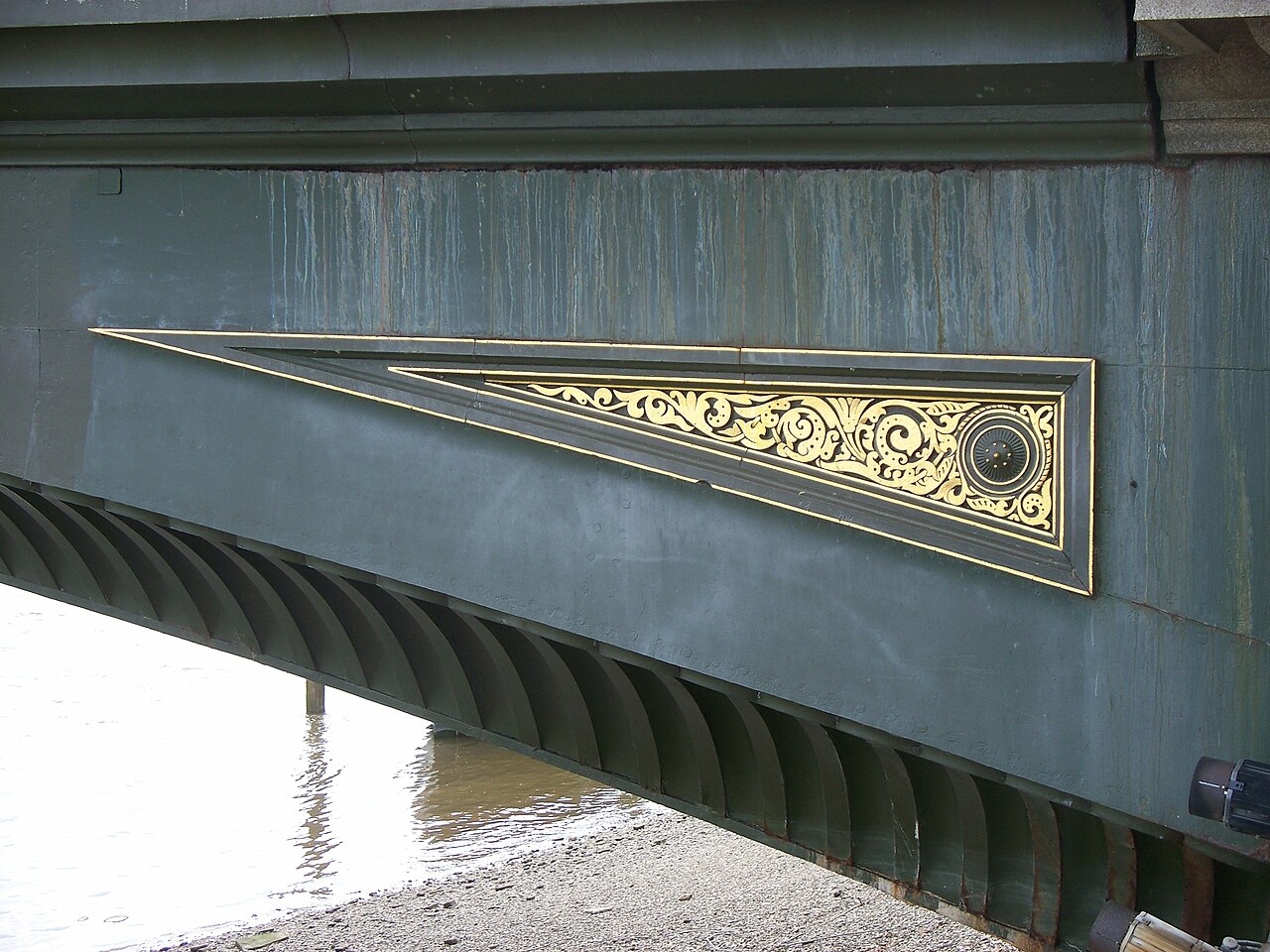
Battersea Bridge is a slender five-span crossing of the River Thames in London, England. It connects the district of Battersea on the south bank with Chelsea on the north and occupies a pronounced bend in the river. The present structure is built of cast iron with granite facing and is carried on five spans arranged in a cantilever-like form; these characteristics give the bridge its distinct appearance and explain some of its operational constraints.
Image gallery
10 Images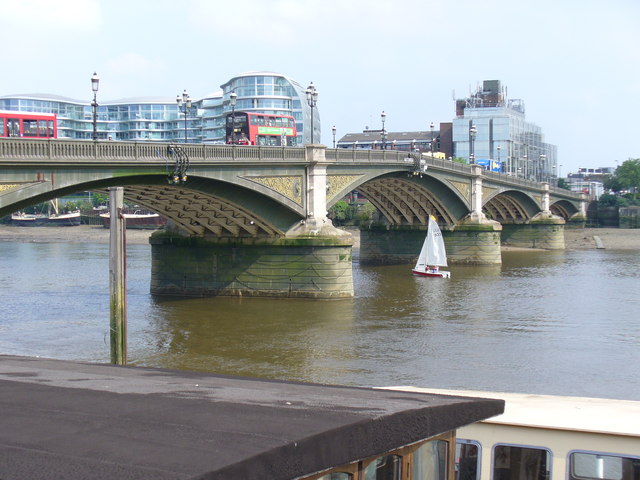





Design, dimensions and location
Designed in the late 19th century as part of wider public works, the current bridge is relatively narrow compared with most Thames road crossings and remains one of the least busy. Its narrow carriageway and position on a sharp river bend make it vulnerable to river traffic accidents: collisions with passing vessels have repeatedly forced temporary closures and repairs. The overall form—five spans with iron girders and masonry piers—reflects Victorian engineering priorities that balanced economy with robustness.
History and development
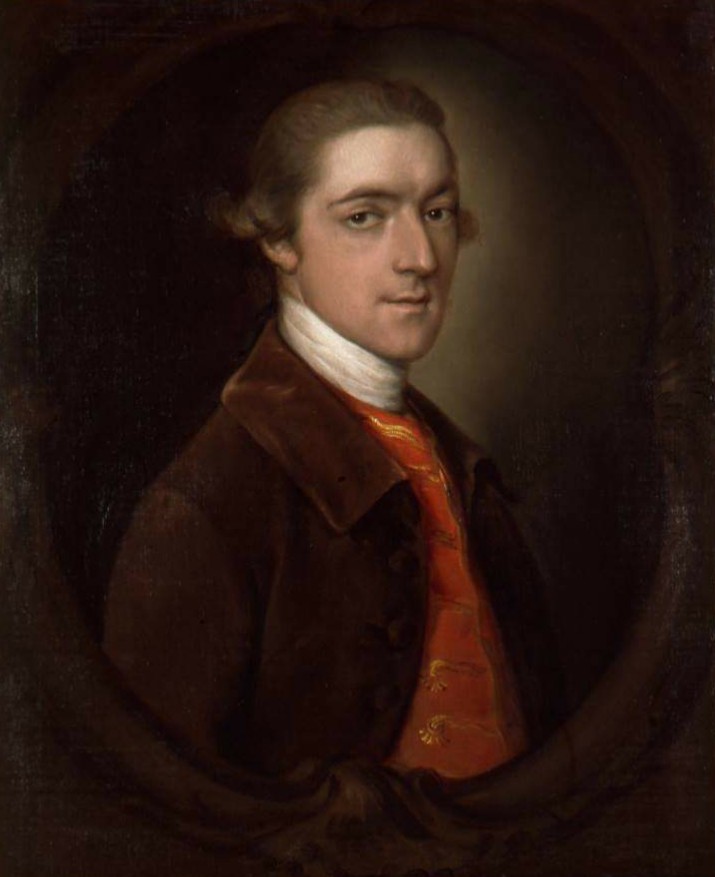
The site originally hosted a toll bridge of timber construction opened to pedestrians in 1771 and to vehicles the following year. That earlier structure, attributed to the architect Henry Holland, proved unsafe for both road users and passing shipping: frequent collisions and structural weaknesses prompted incremental changes, including removal of some piers and reinforcement with ironwork. By the late 19th century the wooden crossing had been taken into public ownership and, in 1885, the timber structure was demolished and replaced by the present iron-and-granite bridge designed by Joseph Bazalgette as part of broader municipal improvements.
Cultural significance and artistic connections
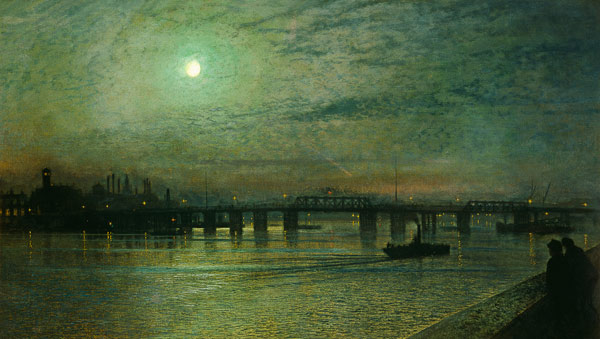
Battersea Bridge has long attracted artists and photographers because of its low line across the river, the atmospheric views it creates, and its setting near industrial and residential riverside scenes. Prominent painters such as Turner, as well as John Sell Cotman and James McNeill Whistler, depicted the bridge and its surroundings, helping to fix it in the visual history of the Thames. The bridge and its riverscape remain a frequent subject of study for those interested in urban and maritime change.
Uses, incidents and modern role
- The bridge provides a local road link for motor traffic, cyclists and pedestrians between Battersea and Chelsea.
- Its narrow width limits the volume and speed of traffic; it is not a primary cross-river route for through traffic.
- Because of river bends nearby, the structure has been closed on multiple occasions after impacts from vessels and requires periodic structural inspections and repairs.
- In contemporary civic life it has served as a visible element during major river events; for example, the area around the bridge featured on the route of the Queen’s Diamond Jubilee Pageant, which began its river procession moving toward Tower Bridge.
Notable facts and distinctions
Battersea Bridge is often described as the narrowest surviving road bridge across the Thames in central London and is notable for being the successor to the last wooden road bridge that once spanned the river in the city. Its combination of Victorian ironwork and stone facing, its siting on a tight bend in the river, and its long association with artists and river events make it both an engineering structure and a cultural landmark. For practical information on access, navigation and local history see municipal and heritage resources linked to this entry: materials, stonework, structural form, and local guides to Battersea and Chelsea.
Questions and answers
Q: What type of bridge is Battersea Bridge?
A: Battersea Bridge is a cast-iron and granite five-span cantilever bridge crossing the River Thames in London, England.
Q: When was the first Battersea Bridge opened?
A: The first Battersea Bridge was opened to pedestrians in November 1771, and to vehicles in 1772.
Q: Who designed the original wooden bridge?
A: The original wooden bridge was designed by Henry Holland.
Q: Why did they have to strengthen it with iron girders?
A: They had to strengthen it with iron girders to reduce the dangers posed to passing shipping as boats often collided with it.
Q: Who designed the existing bridge that replaced the original one?
A: The existing bridge that replaced the original one was designed by Joseph Bazalgette.
Q: Is Battersea Bridge one of London's busiest Thames bridges?
A: No, Battersea Bridge is actually one of London's least busy Thames bridges.
Q: How did Battersea Bridge feature during Queen Elizabeth II's Diamond Jubilee Pageant on the Thames in 2012?
A:Battersea Bridge area marked the official start of the parade of ships and boats moving towards Tower Bridge during Queen Elizabeth II's Diamond Jubilee Pageant on the Thames in 2012.
Related articles
Author
AlegsaOnline.com Battersea Bridge Leandro Alegsa
URL: https://en.alegsaonline.com/art/9406
Sources
- pla.co.uk : Thames bridges heights. Port of London Authority
- www1.thamesdiamondjubileepageant.org : Key facts
- londontown.com : "Thames Jubilee Pageant,"