
Stock (firearm): function, parts, materials and history
A firearm stock (buttstock or shoulder stock) is the rear portion of a long gun that supports, aligns and transmits recoil; this article explains its types, parts, materials and historical development.
The stock, often called a buttstock or shoulder stock, is the rear section of a rifle, shotgun or similar firearm that the shooter places against the shoulder to stabilize and aim the weapon. It serves as the interface between the shooter and the gun’s action and barrel, holding those components together while providing a surface to absorb and distribute recoil. Stocks are also integral to many modern sporting and tactical designs because they affect ergonomics, accuracy, and handling.
Image gallery
10 Images


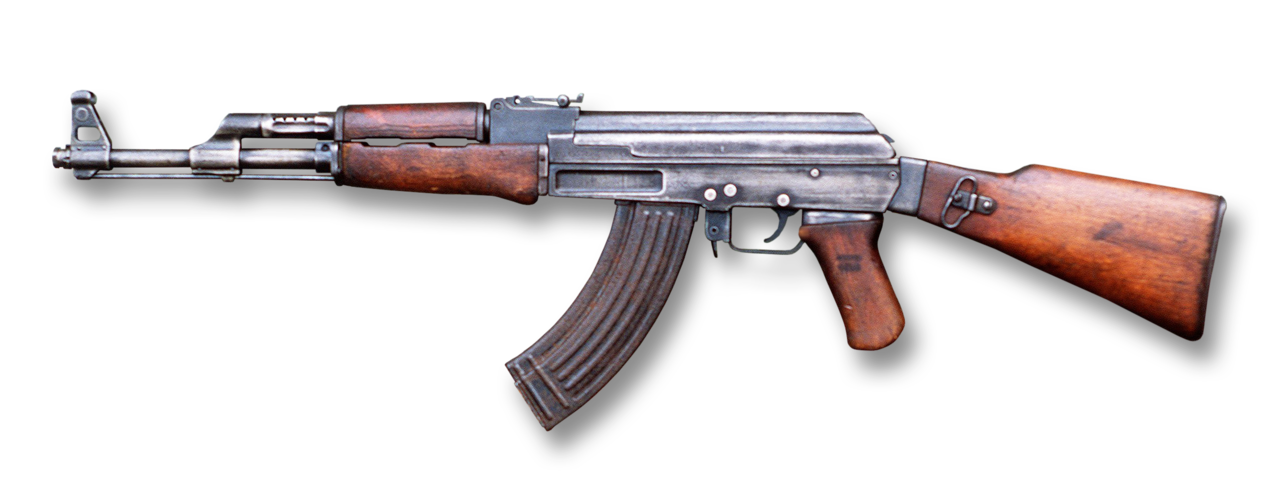




Basic function and characteristics
At its simplest, a stock aligns the barrel and firing mechanism with the shooter’s eye and body. It provides a steady cheek weld for consistent sighting and a buttpad or contour that rests on the shoulder. A well-designed stock contributes to repeatable aim, comfortable handling and controlled recoil transfer. Stocks can be full-length or skeletonized, fixed or folding, and they often include features such as adjustable length of pull, comb height, sling attachment points and storage compartments.
Major parts
- Butt: the rear-most portion that contacts the shoulder; may have a rubber pad or metal buttplate.
- Comb (cheekpiece): the upper part where the shooter rests the cheek for proper sight alignment.
- Grip or wrist: the narrowed section ahead of the action that the shooting hand holds.
- Fore-end (forend): the front portion under the barrel used for supporting or bracing the firearm.
- Inletting and bedding: the shaped recesses and supports that seat the action and barrel securely in the stock.
Materials and construction
Historically stocks were carved from a single piece of hardwood, chosen for strength, weight and aesthetic figure. Wood varieties such as walnut were popular for their balance of durability and workability. Modern stocks use synthetic polymers, fiberglass, laminated wood, carbon fiber and metal chassis to reduce weight, increase rigidity and tolerate harsh environments. Some designs blend materials—wood for aesthetics and a metal or synthetic bedding system for performance.
Types and adaptations
Stocks vary by intended use: hunting rifles often have traditional fixed wooden stocks, precision rifles may employ adjustable composite or chassis systems, and military or tactical weapons use folding or collapsible stocks for compactness. Shotgun stocks emphasize recoil absorption and may use recoil pads or recoil-reducing technologies. Crossbows have a similar structural component sometimes called a tiller, which functions like a stock to position and steady the shooter.
History and terminology
The word "stock" for this firearm part appears in English from early modern usage and derives from a Germanic root meaning "tree trunk," reflecting the early reliance on wood. Over centuries, stock shape and features evolved alongside sights, cartridges and firing mechanisms. Changes in ammunition, optics and shooting disciplines prompted new stock geometries and adjustable systems to meet accuracy and ergonomic demands.
Practical importance and considerations
Choosing a stock affects comfort, control and consistent accuracy. Fit—measured by length of pull, comb height and grip angle—is essential for proper eye-to-sight alignment and recoil management. Users selecting or modifying a stock weigh trade-offs of weight, durability, weather resistance and cost. Gunsmithing techniques such as bedding the action or customizing the comb can markedly improve performance for precision shooting.
For further reference consult sources on rifle anatomy and shooting ergonomics: see general entries on the rifle action and sighting, the barrel barrel, the shoulder as contact point shoulder support, and the firing process firing mechanism. Crossbow stocks or tillers are discussed in material on crossbows tillers. Recoil dynamics are treated in ballistic and ergonomic texts recoil. The etymology and older usage can be explored in language resources Germanic roots and historical glossaries word history.
Questions and answers
Q: What is a stock in the context of firearms?
A: A stock is a part of a rifle or firearm to which the barrel and firing mechanism are attached. It is held against the shooter's shoulder when firing the gun.
Q: What is the purpose of a stock on a firearm?
A: The stock provides a means for the shooter to firmly support the device and easily aim it. It also transmits recoil into the shooter's shoulder.
Q: Are stocks only found on firearms or are they used on other weapons as well?
A: Stocks are also found on crossbows but are properly called a tiller.
Q: Where does the term "stock" come from?
A: The term stock comes from the Germanic word "stoc," meaning tree trunk, referring to the wooden nature of a gunstock.
Q: What is the recoil of a firearm?
A: Recoil is the shock of firing the weapon that is transmitted through the stock into the shooter's shoulder.
Q: What is the purpose of the tiller on a crossbow stock?
A: The tiller on a crossbow stock serves the same purpose as a stock on a firearm, providing a means for the shooter to firmly support the device and easily aim it.
Q: Can a shooter fire a firearm without using the stock?
A: It is not recommended to fire a firearm without using the stock, as doing so can cause injury to the shooter and those nearby.
Related articles
Author
AlegsaOnline.com Stock (firearm): function, parts, materials and history Leandro Alegsa
URL: https://en.alegsaonline.com/art/93977
Sources
- etymonline.com : "Online Etymology Dictionary, tiller"
- chuckhawks.com : "Rifle Recoil"
- etymonline.com : "Online Etymology Dictionary, stock"