
Batman (1989 film)
Tim Burton’s 1989 Batman reimagined the comic-book hero for mainstream cinema with a dark visual style, star turns by Michael Keaton and Jack Nicholson, and an influential score and production design.
Overview
Batman is a 1989 superhero film directed by Tim Burton and adapted from the long-running DC Comics Batman character. The picture brought the caped vigilante into a darker, more gothic cinematic register than earlier serials and television shows. Its mix of comic-book source material with noirish atmosphere helped make the property a major box-office and cultural event when it was released in 1989.
Image gallery
10 Images





Cast and characters
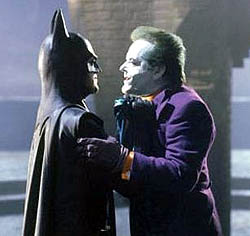
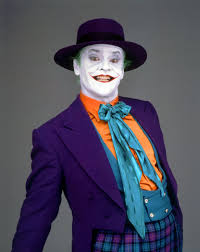
The principal cast includes Michael Keaton as Bruce Wayne/Batman, Jack Nicholson as actor/antagonist and pop-culture icon The Joker, and Kim Basinger as Vicki Vale. Supporting roles were filled by actors who portrayed figures from the Batman mythos such as Alfred and Commissioner Gordon. The film is noted for its high-profile casting choices and the contrast between Keaton’s reserved, psychologically tense Batman and Nicholson’s flamboyant Joker.
Production and design
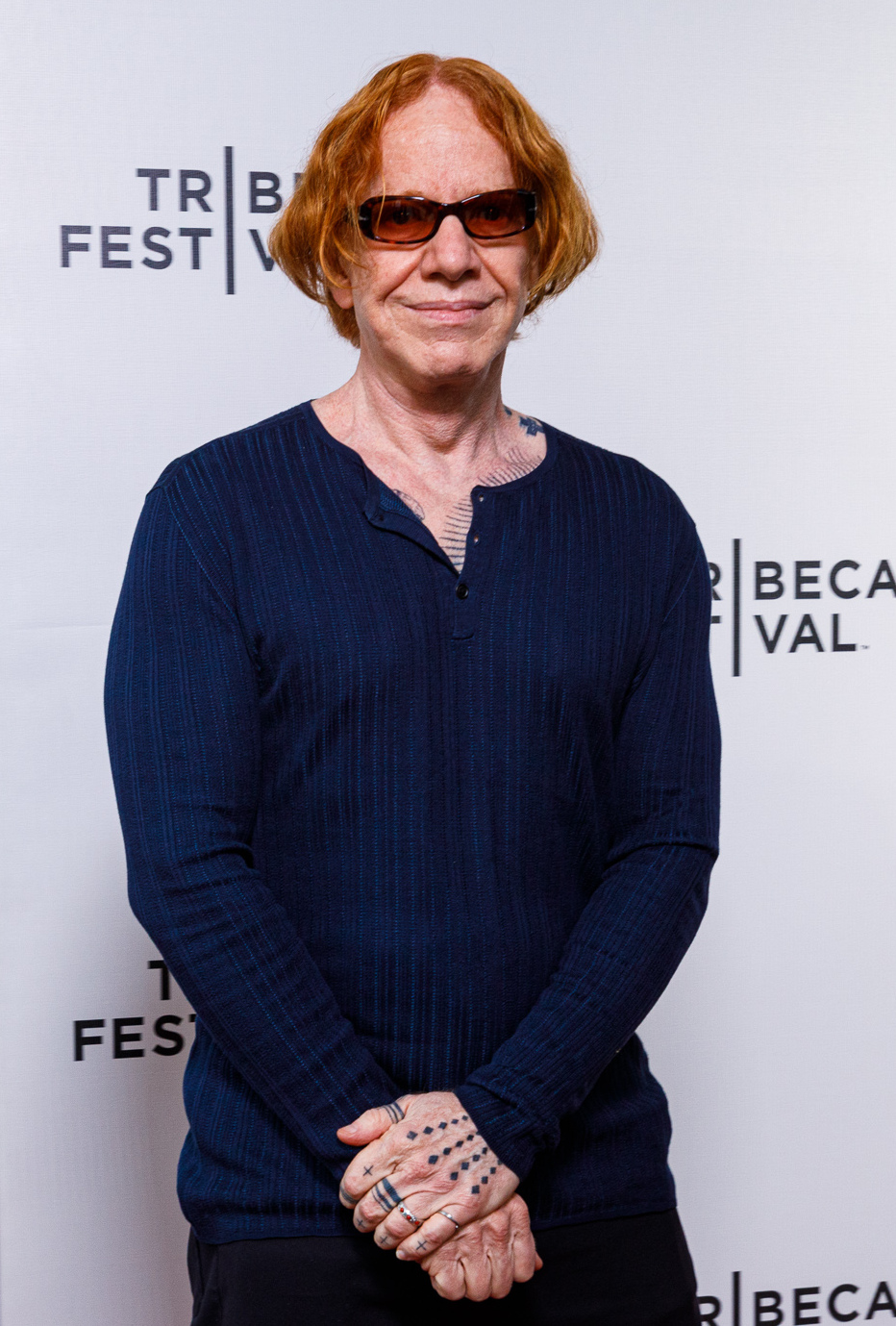
Burton assembled a creative team that emphasized stylized, expressionistic production design and moody lighting to create a version of Gotham City that feels both theatrical and oppressive. The costume work, sets, and urban vistas contributed to a distinct visual identity. The film’s musical score, composed to complement this tone, played a significant role in shaping its atmosphere.
Casting history and choices
The casting process drew public attention: several well-known actors were considered for the role of Batman, and producers debated whether to choose an obvious action star. Producer Jon Peters and director Burton ultimately supported Keaton for his ability to convey vulnerability and inner conflict. Burton had previously worked with Keaton on the film Beetlejuice, which influenced the decision.
Reception and legacy
Upon release the movie received wide attention from critics and audiences for its style, performances, and departure from lighter adaptations. It influenced the presentation of superheroes in later films and helped usher in a decade in which comic-book properties became major studio priorities. Elements such as production design and score are frequently cited when discussing the film’s enduring influence.
Notable facts
- The film balanced comic-book elements with darker, more psychological themes.
- Its casting and visual approach contrasted with prior, more campy interpretations.
- The interplay between Batman and his rogues' gallery in this film shaped many later cinematic portrayals.
Questions and answers
Q: What is Batman (1989 movie)?
A: Batman (1989 movie) is a superhero movie directed by Tim Burton.
Q: Who plays Bruce Wayne/Batman in Batman (1989 movie)?
A: Michael Keaton plays Bruce Wayne/Batman in Batman (1989 movie).
Q: Who plays The Joker in Batman (1989 movie)?
A: Jack Nicholson plays The Joker in Batman (1989 movie).
Q: Who plays Vicki Vale in Batman (1989 movie)?
A: Kim Basinger plays Vicki Vale in Batman (1989 movie).
Q: When was Batman (1989 movie) released?
A: Batman (1989 movie) was released in 1989.
Q: Who were some of the actors considered for the role of Batman in Batman (1989 movie)?
A: Some of the actors considered for the role of Batman in Batman (1989 movie) were Mel Gibson, Kevin Costner, Charlie Sheen, Pierce Brosnan, Tom Selleck, and Bill Murray.
Q: Why was Michael Keaton chosen to play Bruce Wayne/Batman in Batman (1989 movie)?
A: Keaton was chosen to play Bruce Wayne/Batman in Batman (1989 movie) because producer Jon Peters favored him, arguing that he had the right "edgy, tormented quality." Tim Burton, who had directed Keaton in Beetlejuice, agreed.
Related articles
Author
AlegsaOnline.com Batman (1989 film) Leandro Alegsa
URL: https://en.alegsaonline.com/art/9382