
Stegosaurus — the plated Late Jurassic herbivore
Stegosaurus is a well-known Late Jurassic herbivorous dinosaur from western North America, notable for paired back plates and tail spikes. Its anatomy, discovery, behavior, and scientific debates are summarized here.
Overview
Stegosaurus (meaning "roof lizard") is a genus of large, plant-eating dinosaur that lived in what is now western North America during the Late (Upper) Jurassic. It is among the most easily recognized dinosaurs because of the paired, kite-shaped plates rising along its back and the prominent spikes at the end of its tail.
Image gallery
10 Images


Physical characteristics
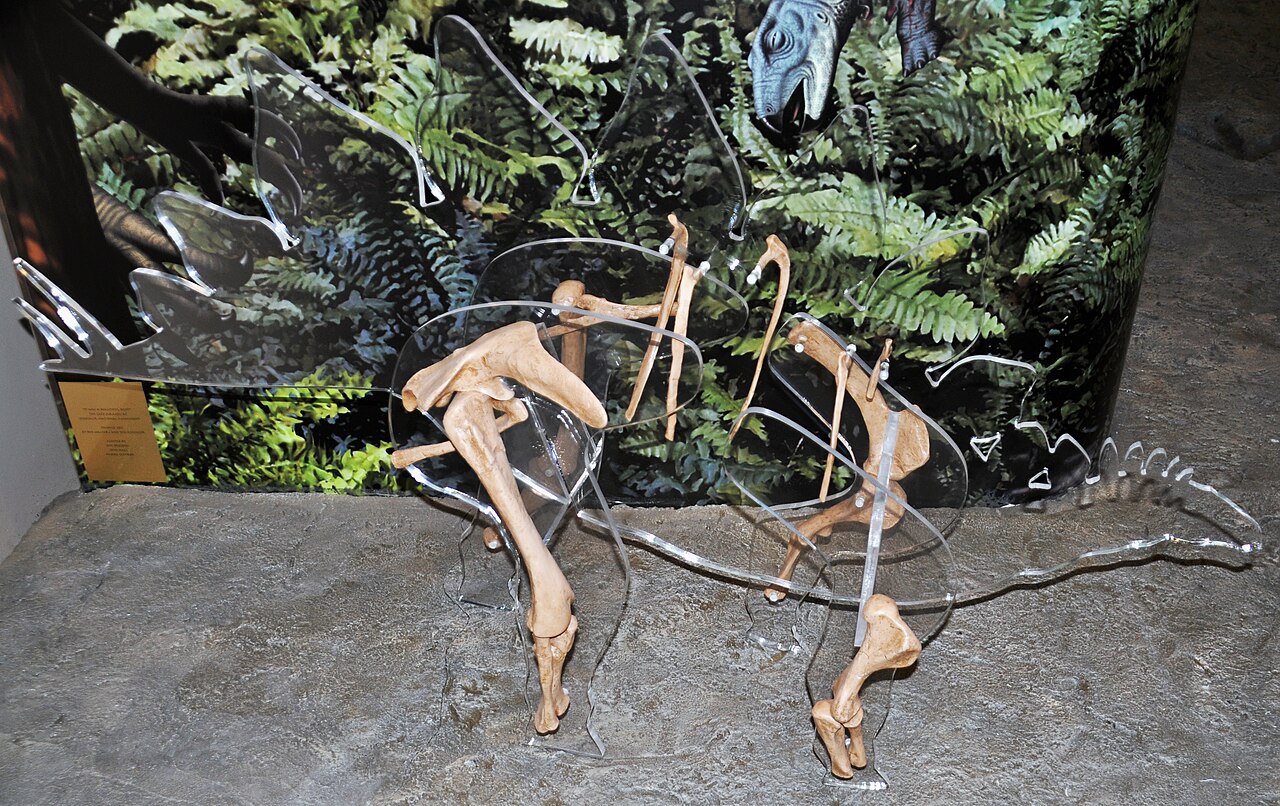
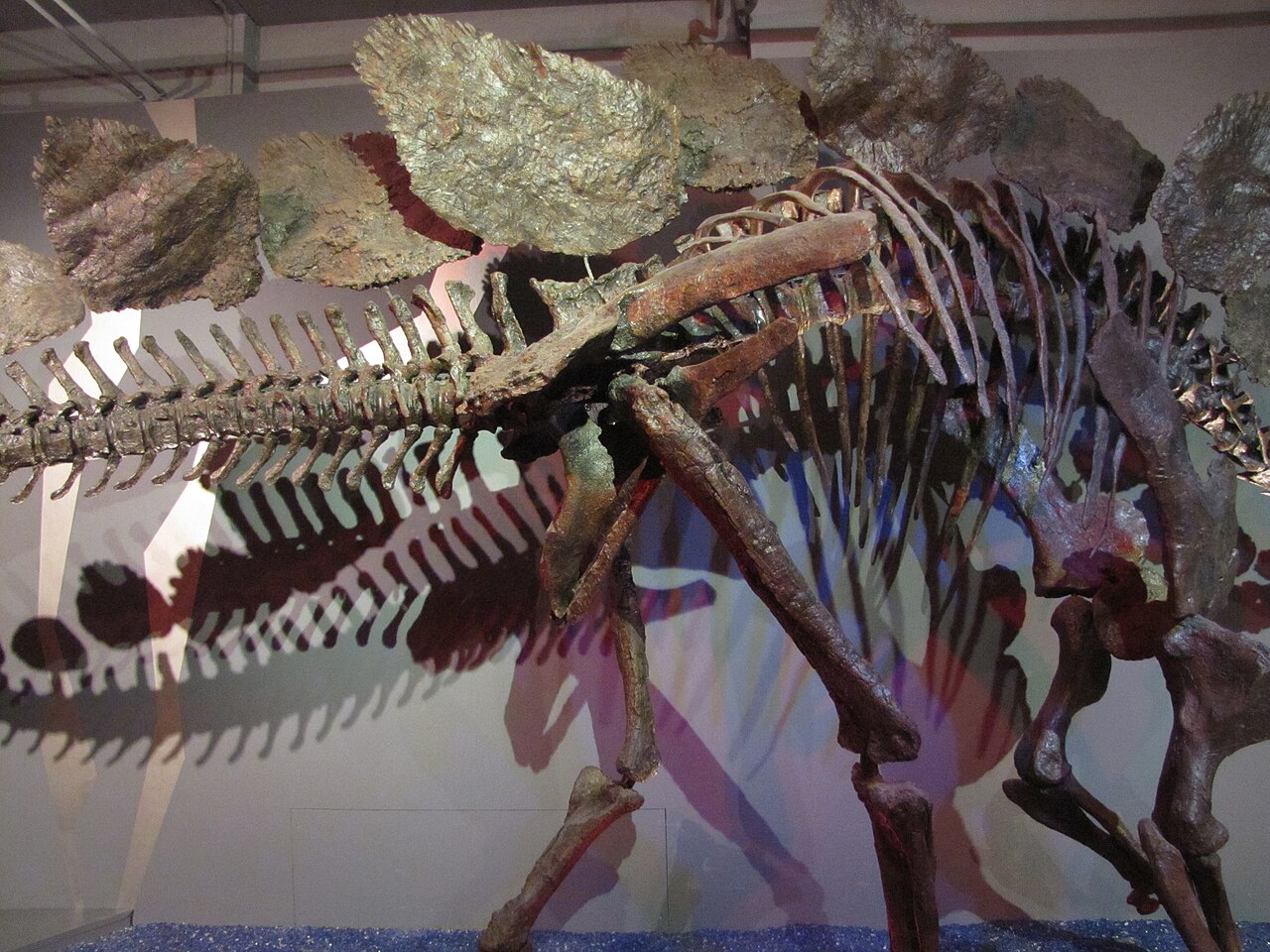
Stegosaurus was a heavily built quadruped with short forelimbs and longer hindlimbs, giving the rear of the animal a higher stance than the front. Estimates for the largest species put its length at several meters, commonly reported around 6–9 m (20–30 ft). Naturalists and paleontologists emphasize a few distinctive features:
- Plates: Two staggered rows of large dermal plates ran along the neck, back and hips. Their exact function—defense, display, or thermoregulation—remains debated.
- Thagomizer: A set of long tail spikes (often called a "thagomizer") could be used as a defensive weapon against predators.
- Skull and teeth: A relatively small head with leaf-shaped teeth suited for cropping vegetation; Stegosaurus likely fed on low-lying plants.
- Brain size: The brain was small relative to body size; historical ideas about a second "brain" in the hips are not supported by modern anatomy.
Discovery and scientific history
Stegosaurus was described in the late 19th century and became a key taxon in studies of Jurassic faunas. Many of the best-known fossils come from the Morrison Formation. Early research and museum mounts shaped public perception, and revisions continue as new specimens and analyses refine species-level taxonomy and plate arrangement.
Ecology and behavior
As a herbivore, Stegosaurus likely browsed on ferns and low shrubs. It shared its environment with large theropod predators such as Allosaurus and Ceratosaurus, which may have influenced the evolution of defensive features. Social behavior is not well established from the fossil record; some finds suggest individuals may have congregated, but evidence remains limited.
Significance and open questions
Stegosaurus remains an iconic example of dinosaurian armor and morphological specialization. It is widely represented in museum exhibits and popular culture. Important ongoing questions include the precise role of its plates, detailed growth and life-history patterns, and how variation among Stegosaurus species should be classified. For general background on dinosaur groups and paleontology methods, see introductory resources on genus-level classification and regional geology like the Morrison Formation.
Questions and answers
Q: What is a Stegosaurus?
A: Stegosaurus is a type of plant-eating dinosaur that roamed western North America during the Upper Jurassic period around 155 to 145 million years ago.
Q: What distinguishes Stegosaurus from other dinosaurs?
A: Stegosaurus is one of the most easily recognizable dinosaurs due to its distinctive double row of kite-shaped plates on its back and the long spikes on its tail.
Q: Why did Stegosaurus have armor on its back?
A: Stegosaurus had armor on its back as it lived with such meat-eaters as Allosaurus and Ceratosaurus, and the armor provided protection against potential predators.
Q: What was the diet of Stegosaurus?
A: Stegosaurus was a plant-eating dinosaur, which means that its diet consisted entirely of plants.
Q: When did Stegosaurus live?
A: Stegosaurus lived during the Upper Jurassic period around 155 to 145 million years ago.
Q: What is the meaning of the name Stegosaurus?
A: The name Stegosaurus means "roof-lizard."
Q: What were the predators of Stegosaurus?
A: Stegosaurus lived alongside meat-eating dinosaurs such as Allosaurus and Ceratosaurus, which were potential predators of Stegosaurus.
Related articles
Author
AlegsaOnline.com Stegosaurus — the plated Late Jurassic herbivore Leandro Alegsa
URL: https://en.alegsaonline.com/art/93675