
Staurikosaurus — an early Late Triassic theropod from Brazil
Staurikosaurus is a small, early theropod dinosaur from the Late Triassic of Brazil, known from limited remains and valued for what it reveals about early dinosaur evolution and fossil preservation.
Overview
Staurikosaurus is a genus of early dinosaur that lived in the Late or Upper Triassic period. It is placed among the basal theropods, the group that later gave rise to most meat-eating dinosaurs and, ultimately, birds. Fossils attributed to Staurikosaurus come from what is now Brazil and show a small, lightly built carnivorous animal typical of the first wave of true dinosaurs.
Image gallery
10 Images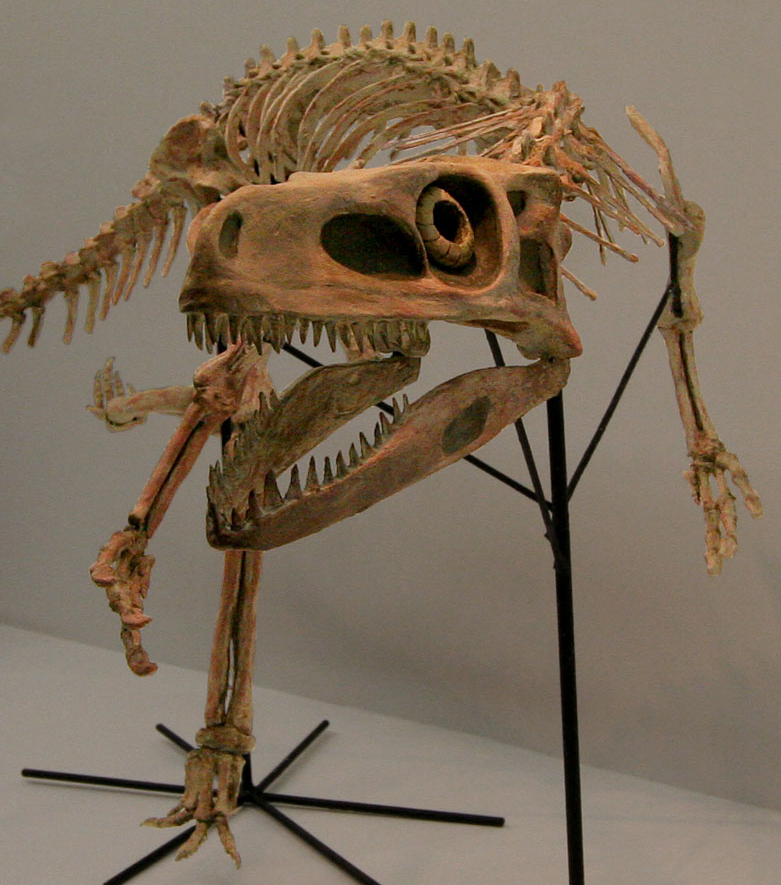




Physical characteristics
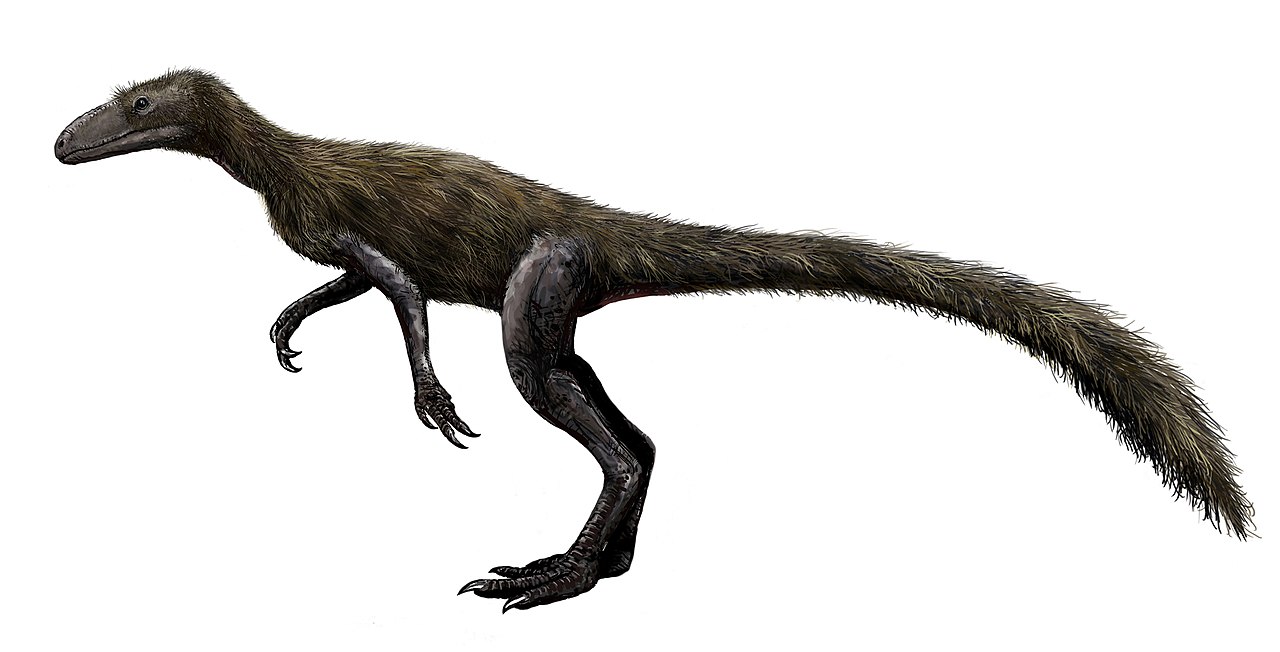
Staurikosaurus appears to have been relatively modest in size compared with later theropods. Its skeleton, preserved only in part, indicates a slender body, long hind limbs adapted for running, and a skull and teeth consistent with a carnivorous diet. Limb bone proportions suggest it was an agile pursuit predator rather than a heavy ambush hunter.
Fossil record and discovery
Specimens of Staurikosaurus are fragmentary and rare. The small number of finds has limited detailed reconstructions and led to some uncertainty about variation within the genus. The scarcity of material complicates efforts to place it precisely in early dinosaur phylogeny, but enough anatomy survives to mark it as an important early theropod.
Paleoecology and rarity
Part of the reason Staurikosaurus is not common in the fossil record may be ecological. It likely lived in environments—possibly including vegetated or wetland settings and even forested areas—where conditions for fossil formation were poor. In such habitats bones are less likely to be rapidly buried and preserved, making fossils rare compared with animals that lived in floodplain or desert depositional environments.
Importance and notable facts
- Staurikosaurus helps document early stages of theropod anatomy and locomotion.
- Its fragmentary status highlights biases in the fossil record and the role of habitat in preservation.
- Although not as well known as later dinosaurs, it is frequently cited in studies of Triassic dinosaur diversity and distribution.
Because the name and type specimens are relatively old discoveries, ongoing study and new finds from Triassic deposits in South America continue to refine our understanding of this genus and its place in dinosaur evolution.
Questions and answers
Q: What is Staurikosaurus?
A: Staurikosaurus is a genus of theropod dinosaurs found in Brazil.
Q: When did Staurikosaurus live?
A: Staurikosaurus lived during the Upper Triassic period.
Q: What was Staurikosaurus's size?
A: Staurikosaurus was small and lightly built.
Q: What was Staurikosaurus's diet?
A: Staurikosaurus was a carnivore.
Q: Why are Staurikosaurus remains rare?
A: Staurikosaurus remains may be rare because it was uncommon while alive or because it lived in an environment such as a forest where fossils rarely form.
Q: In which country were Staurikosaurus fossils found?
A: Staurikosaurus fossils were found in Brazil.
Q: Why might Staurikosaurus be uncommon while alive?
A: Staurikosaurus might be uncommon while alive because it was a rare species.
Related articles
Author
AlegsaOnline.com Staurikosaurus — an early Late Triassic theropod from Brazil Leandro Alegsa
URL: https://en.alegsaonline.com/art/93586