
States of Malaysia: structure, history and regional distinctions
Overview of Malaysia’s 13 states and 3 federal territories, their geography, constitutional roles, historical formation and key distinctions between Peninsular and Bornean states.
Malaysia is a federal constitutional monarchy made up of 13 states and three federal territories. The country’s political structure divides powers between the federal government and state governments, and its territory is split between the Malay Peninsula and the island of Borneo. For an overview, see Malaysia.
Image gallery
10 Images


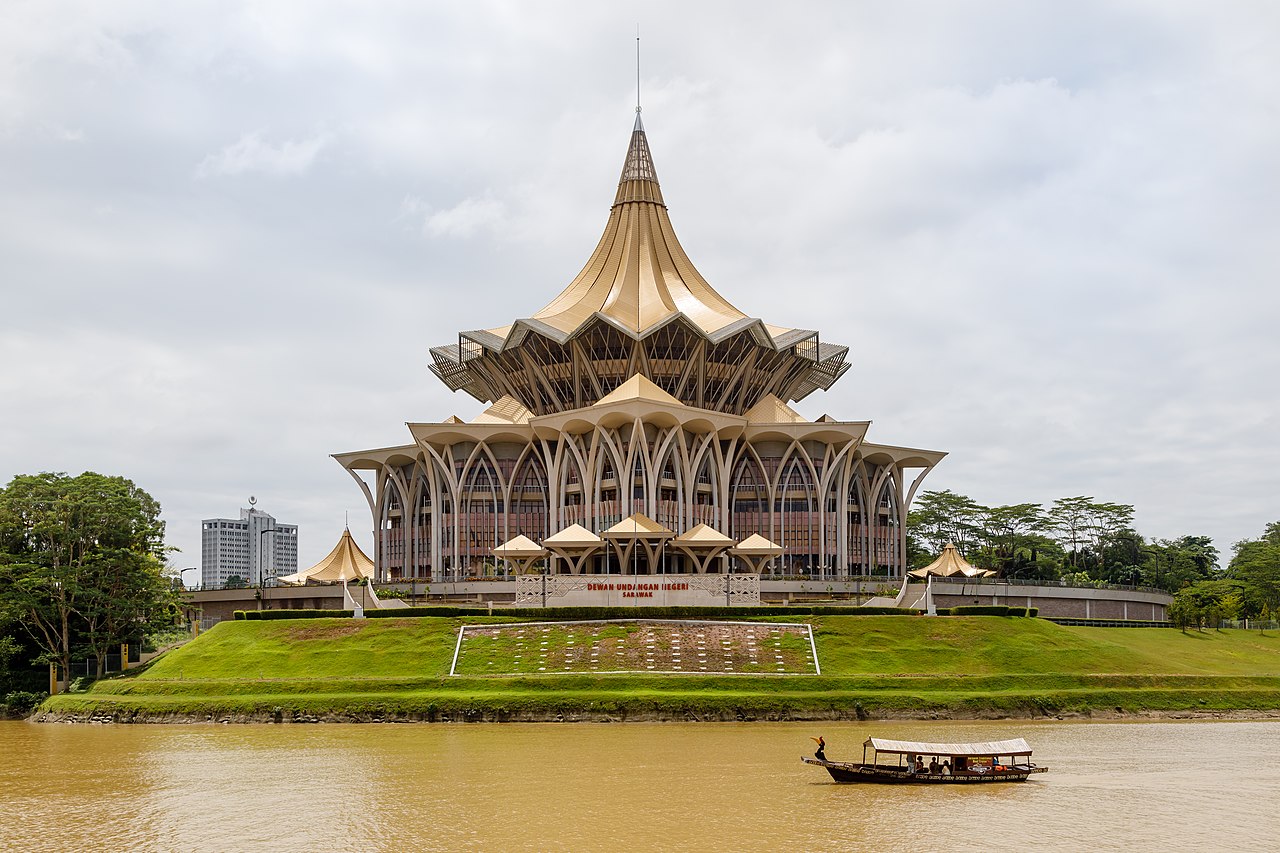

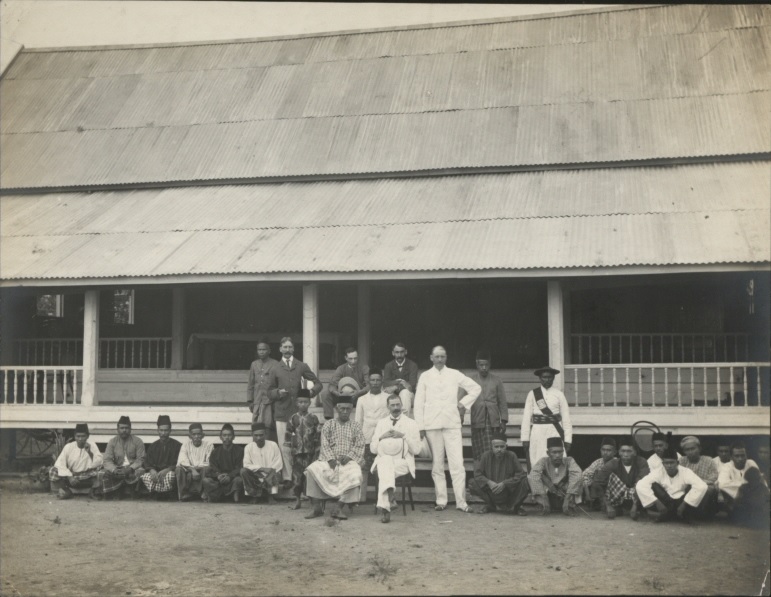


Geography and composition
Eleven states and two federal territories lie on the Malay Peninsula, while two states and one federal territory are located on Borneo. This arrangement creates two geographically separate regions with distinct histories, economic profiles and natural environments. The peninsula hosts many of the country’s urban centres and most of its population; Borneo contains large tracts of rainforest and resource-based economies. More on the peninsula and island regions: Malay Peninsula, Borneo.
Administrative structure and distinctions
Each state has its own government and legislature. Nine states are ruled by hereditary monarchs (sultans or equivalent), who take part in selecting the federal monarch; the remaining four states have appointed governors. Federal territories are administered directly by the central government. The federation model and the balance of powers are explained in broader summaries of the country’s system: federation.
Historical development
The modern arrangement evolved in the 20th century as British colonial entities, the Federation of Malaya, and the territories in northern Borneo underwent constitutional changes and decolonization. The formation of the present federation incorporated states with different legal traditions and agreements, which still influence state rights and special provisions today.
Importance and examples
States are the primary units for land, Islamic family law and local governance; they also manage resources such as forestry and mineral extraction in many areas. Federal territories host key national institutions, major cities and administrative centers. This division affects development, cultural identity and regional policy.
Notable facts and practical distinctions
- There are 13 states and 3 federal territories in total.
- States differ in constitutionally protected privileges, historical agreements and the presence or absence of hereditary rulers.
- The two parts of the country—Peninsular Malaysia and Malaysian Borneo—have distinct economic roles and demographics.
Questions and answers
Q: How many states does Malaysia have?
A: Malaysia has 13 states.
Q: What are the two types of states in Malaysia?
A: The two types of states in Malaysia are Negeri and Wilayah Persekutuan.
Q: How many states are located on the Malay Peninsula?
A: Eleven states and two federal territories are located on the Malay Peninsula.
Q: Where are the other two states and one federal territory located?
A: The other two states and one federal territory are located on the island of Borneo.
Q: What is the name of the island where the other two states and one federal territory are located?
A: The other two states and one federal territory are located on the island of Borneo.
Q: Is Malaysia a federation?
A: Yes, Malaysia is a federation.
Q: How many federal territories are there in Malaysia?
A: There are two federal territories in Malaysia.
Related articles
Author
AlegsaOnline.com States of Malaysia: structure, history and regional distinctions Leandro Alegsa
URL: https://en.alegsaonline.com/art/93537
Sources
- statistics.gov.my : "Laporan Kiraan Permulaan 2010"
- malaysia.gov.my : "Federal Territories and State Governments"
- state.gov : "Malaysia"
- dailyexpress.com.my : "NRD: 'H' indicates holder is a Sabahan | Daily Express Newspaper Online, Sabah, Malaysia"
- statoids.com : "Malaysia Districts"
- usaid.gov : USAid Geocode
- maxmind.com : MaxMind GeoIP