
St Matthew Passion
Johann Sebastian Bach’s St Matthew Passion is a monumental Baroque sacred work setting the Passion narrative from Matthew 26–27 for double choir, soloists, chorales and orchestra.
Overview
The St Matthew Passion is a large-scale sacred composition by Johann Sebastian Bach that sets the Passion story from chapters 26 and 27 of the Gospel of Matthew. The work combines direct biblical narration, reflective poetry and Lutheran hymn stanzas to retell the events leading to Jesus’ death on the cross. Its German title is often given as Matthäuspassion.
Image gallery
6 Images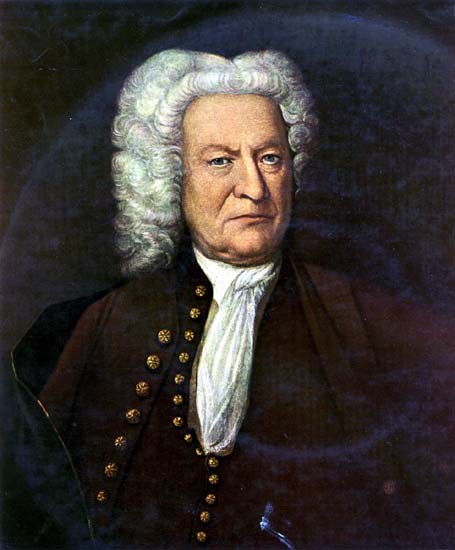


Musical forces and roles
Bach scored the Passion for two separate choirs and two orchestras, creating rich antiphonal textures and complex choral interactions. Soloists represent principal characters and commentary: the Evangelist (tenor) narrates the Gospel text, the role of Jesus is usually sung by a bass, and other solo arias and recitatives are taken by soprano, alto, tenor and bass voices. In addition to the soloists and choirs, the score deploys strings, woodwinds, continuo instruments and occasional obbligato lines to color the arias.
Structure and musical character
The work is organized in two large parts—traditionally performed before and after the sermon at a Good Friday service—interleaving Gospel recitative, chorales (hymn settings familiar to the congregation), reflective arias and dramatic choruses (including "turba" crowd scenes). Bach’s setting juxtaposes plain narrative recitative with ornate arias that comment on the theological and emotional meaning of the events. Chorales anchor the drama, offering communal responses and recognizable Lutheran hymn tunes.
Origins, composition and reception
Bach composed and first presented the St Matthew Passion in Leipzig in the 1720s, where it served liturgical and devotional functions in the context of Good Friday observances. The libretto combines direct biblical text with poetry by the Leipzig poet Picander (Christian Friedrich Henrici) and traditional hymn stanzas. After its 18th-century performances the work passed into relative obscurity until the 19th-century revival of Bach’s vocal music—most famously the 1829 performance by Felix Mendelssohn—which reestablished the Passion as a central masterpiece of Western sacred music.
Importance, interpretation and performance
The St Matthew Passion is widely regarded as one of the pinnacles of choral and sacred music, admired for its structural ambition, expressive range and theological depth. Performances today vary between modern symphonic forces and historically informed ensembles that seek Baroque pitch, period instruments and smaller vocal forces. Scholars and performers continue to debate details of original scoring and tempo, and many modern productions aim to balance liturgical meaning with concert presentation.
Notable distinctions and related works
Bach’s setting is one among several musical Passions titled "St Matthew Passion"; composers such as Heinrich Schütz and others also produced settings of the Matthew Passion. Within Bach’s own sacred output, the St Matthew Passion is often compared with his St John Passion (earlier and generally more concise) and his large-scale Mass in B minor, another summit of his choral writing. The Passion’s blend of Gospel narration, poetic reflection and congregational hymnody exemplifies the Lutheran sacred-music tradition and has had lasting influence on choral repertoire and devotional practice.
Further reading and resources
- Audio and score editions often include translations and commentary to aid listeners.
- Recordings range from historical-instrument interpretations to full modern symphonic presentations.
- Scholarly editions and program notes discuss Bach’s revisions and performance contexts in Leipzig.
For background on the biblical narrative, see the Gospel account in the Bible, and for biographical context on the central figure of the story consult general sources on Jesus. Additional material on Bach and his other major sacred works can be found through resources that treat the composer’s life and oeuvre in depth.
Representative editions, modern commentaries and recordings frequently refer back to the score’s interplay of double choir and orchestra, its central chorales, and the dramatic role of the Evangelist—elements that continue to fascinate listeners and performers alike.
Questions and answers
Q: Who composed the St. Matthew Passion?
A: Johann Sebastian Bach composed the St. Matthew Passion.
Q: What is the story told in the St. Matthew Passion?
A: The St. Matthew Passion tells the story of Jesus’s death on the cross as written in the Book of St Matthew in the Bible.
Q: What type of musical composition is the St. Matthew Passion?
A: The St. Matthew Passion is a musical composition for a choir, solo voices, and orchestra.
Q: How are the choir and orchestra divided in the St. Matthew Passion?
A: Both the choir and orchestra are divided into two sections: Chorus 1 and Chorus 2, and Orchestra 1 and Orchestra 2.
Q: From where are the words in the St. Matthew Passion taken?
A: The words in the St. Matthew Passion are from the Bible and by the poet Picander.
Q: Who else wrote works called St Matthew Passion?
A: Other composers, including Heinrich Schütz, also wrote works called St Matthew Passion.
Q: What do many musicians consider to be the greatest choral work ever written?
A: Many musicians consider Bach’s St Matthew Passion to be the greatest choral work ever written, alongside his St John Passion and Mass in B minor.
Related articles
Author
AlegsaOnline.com St Matthew Passion Leandro Alegsa
URL: https://en.alegsaonline.com/art/93181