
St Albans Cathedral (the Abbey)
Historic Anglican cathedral in St Albans, Hertfordshire — former Benedictine abbey, home to England's longest nave and the seat of the Bishop of St Albans since 1877.
St Albans Cathedral stands at the heart of St Albans in Hertfordshire. Long known locally simply as "the Abbey," the building combines an active parish role with cathedral status. Its interior features one of the most notable spaces in English church architecture: the cathedral's nave is the longest of any English cathedral, and much of the surviving fabric dates from the Norman period. The church is the principal church of the Diocese and functions as the seat of the Bishop of St Albans while continuing to serve a local congregation.
Image gallery
10 Images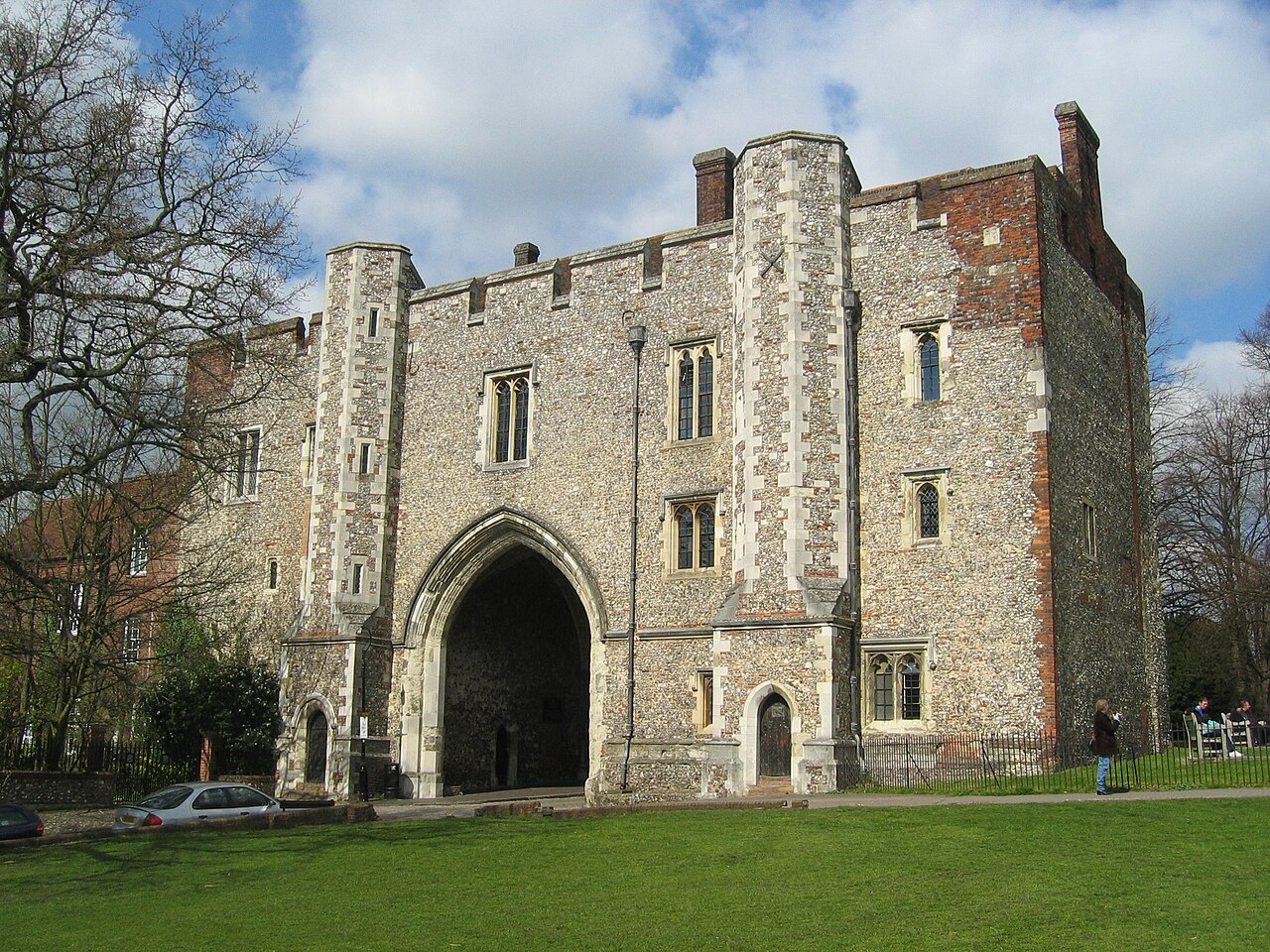


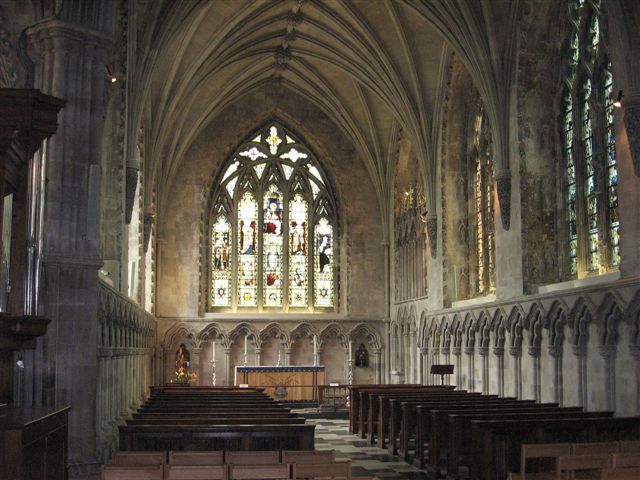


Architecture and principal features
The cathedral's layout follows the typical cruciform plan found in many medieval monasteries and cathedrals: long nave, transepts, crossing and choir. Visitors notice the scale of the nave on entering and the variety of masonry and carved detail produced over centuries. Architectural elements mix Romanesque (often described as Norman) forms with later medieval work and restorative changes from the 19th and 20th centuries. The church contains chapels, choir stalls, historic tombs and medieval fittings that reflect its long ecclesiastical use.
History and development
The site commemorates Saint Alban, venerated as Britain’s first recorded Christian martyr, and it became an important focus for pilgrimage in the medieval period with an abbey established on the site by the monks of a Benedictine community. The abbey grew in wealth and influence through the Middle Ages. In the 16th century the monastic community was dissolved and its shrines and monastic buildings suffered dispersal or destruction as part of national religious changes. The church survived, however, and later centuries saw repair, restoration and reimagining of its role in civic and religious life.
Cathedral status, parish life and governance
In 1877 the church was formally designated a cathedral for the new Diocese, and it remains unique among many English cathedrals because it continues to function as a local parish church. The cathedral's senior cleric is the Dean, who also fulfills the duties of a parish rector. This dual responsibility means the building is both the diocesan centre for major liturgies and a place for regular parish worship, community events, concerts and education programmes.
Uses, significance and visitor experience
Today the cathedral is an active place of worship, a centre for music and the arts, and a destination for visitors interested in English religious history and architecture. It hosts services, civic ceremonies and concerts, and offers interpretation about St Alban and the medieval abbey. Conservation work continues to preserve the building's fabric and artworks while enabling public access and scholarly study.
Notable facts and distinctions
- Longest nave of any English cathedral, emphasising its dramatic interior proportions (nave).
- Often called "the Abbey" in local use, reflecting its monastic origins and continuity of identity.
- Former Benedictine abbey with a shrine historically associated with Saint Alban, an early Christian martyr.
- Legal cathedral status since 1877, yet continuing active parish ministry under a Dean who acts as rector of the local parish.
- Architectural development spans Norman origins to later medieval and modern restorations.
The cathedral remains central to the identity of St Albans, drawing both worshippers and visitors to explore its long history in Hertfordshire and its continuing role in the life of the Church of England.
Questions and answers
Q: What is St Albans Cathedral?
A: St Albans Cathedral is an Anglican church in St Albans, Hertfordshire.
Q: What is unique about St Albans Cathedral compared to other cathedrals in England?
A: St Albans Cathedral is used as a parish church, and the Dean has the same powers, responsibilities, and duties as the rector of any other parish.
Q: How long is the nave of St Albans Cathedral?
A: The nave of St Albans Cathedral is 84 meters or 276 feet long, which is the longest of any cathedral in England.
Q: When did St Albans Abbey become a cathedral?
A: St Albans Abbey became a cathedral in 1877.
Q: What is the architecture of St Albans Cathedral like?
A: Much of the architecture of St Albans Cathedral dates from Norman times.
Q: What do local residents call St Albans Cathedral?
A: Local residents often call St Albans Cathedral "the Abbey," although the cathedral is only the church of the old Benedictine abbey.
Q: What is the legal designation of St Albans Cathedral?
A: St Albans Cathedral is legally a cathedral.
Related articles
Author
AlegsaOnline.com St Albans Cathedral (the Abbey) Leandro Alegsa
URL: https://en.alegsaonline.com/art/93142
Sources
- british-history.ac.uk : british-history.ac.uk/report.aspx?compid=43312
- gutenberg.org : Bell's Cathedrals: The Cathedral Church of Saint Albans p.104
- books.google.com : Pope Adrian IV: The Lothian Essay, 1907
- churchinhistory.org : The English Pope by George F. Tull