
Square dance
Square dance is a traditional sequence folk dance for four couples arranged in a square. It has regional variants, a caller-led modern form, and a long history in Europe and North America.
Overview
Square dance is a form of sequence dance performed by four couples arranged around the sides of a square so that each couple faces the centre. Couples work together through a series of named movements or "figures" that may be memorized or prompted by a caller. As a social and community activity it blends choreography, live or recorded music, and social interaction.
Image gallery
6 Images


Typical formation and figures
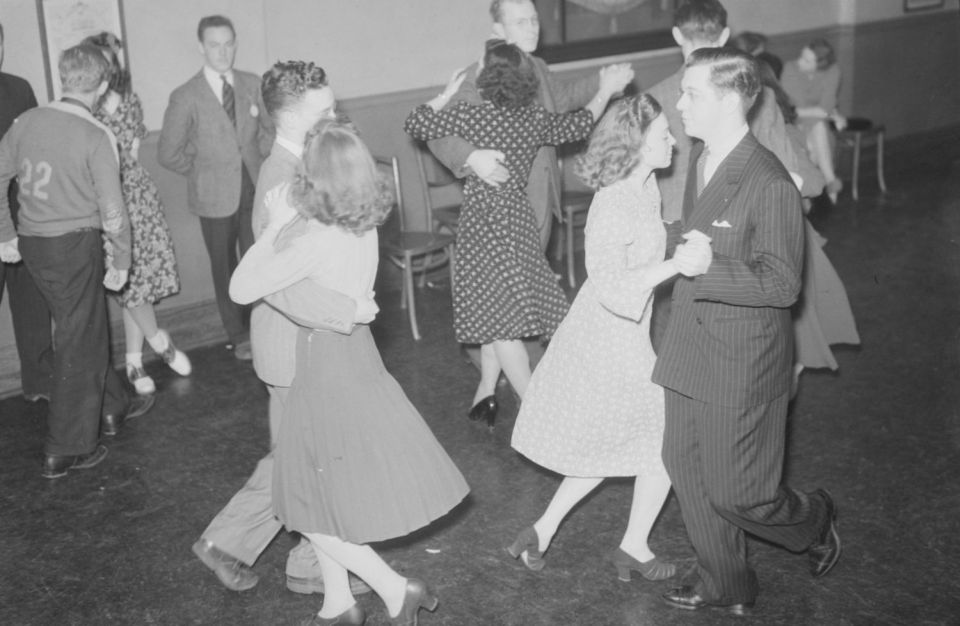
The basic formation places one couple on each side of the square: a head couple and a side couple on opposite sides. Common figures include promenade, allemande, do-si-do, swing or whirl, and various exchanges of places. Many forms use a caller who announces or cues the next figures; in traditional forms dancers may follow a fixed sequence without prompts.
Music and presentation
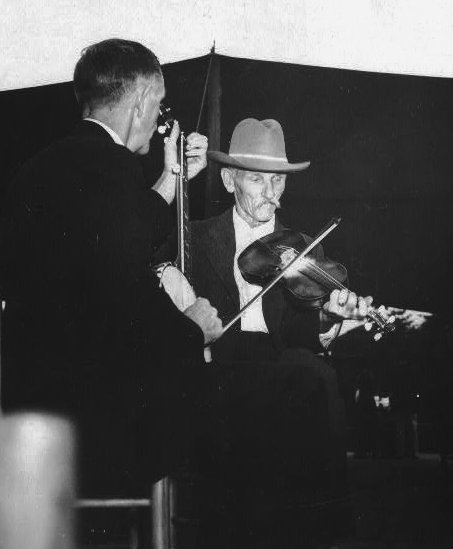
Music is usually lively and rhythmically clear to match the steps: traditional tunes played on fiddle, accordion or band instruments are common, as are country, bluegrass and folk arrangements. Square dances can be informal social events, part of community celebrations, or staged for performance with more elaborate choreography and costuming.
History and development
Variants of square-like dances were described in England in the 16th century and were practiced in France and elsewhere across Europe. They traveled to North America with European settlers, especially in New England and the British Isles' diaspora. Over time local styles developed; in the United States a caller-led modern tradition emerged alongside older regional social dances.
Styles, uses and distinctions
Square dance is a broad category that overlaps with other community dances. It is classified by some as a folk dance, and also as a sequence dance because of its prescribed figures. Historical roots are often traced to 16th-century England and adaptations from France. Contemporary practice ranges from traditional rural gatherings to organized clubs teaching standardized programs for performance and competition.
Notable facts
- Square dance emphasizes teamwork and quick transitions between figures.
- Caller styles and the level of improvisation vary widely by region.
- It remains a living social tradition with local and international communities keeping it active.
Questions and answers
Q: What is a square dance?
A: A square dance is a sequence dance for four couples in a square, where each couple faces the centre of the square.
Q: Where were square dances first written about?
A: Square dances were first written about in 16th-century England.
Q: Where were square dances also common?
A: Square dances were also common in France and throughout Europe.
Q: How did square dances come to North America?
A: Square dances came to North America with the European settlers.
Q: Are square dances considered a type of folk dance?
A: Yes, square dances are considered a type of folk dance.
Q: How many couples participate in a square dance?
A: Four couples participate in a square dance.
Q: What is the shape of a square dance and how do the couple position themselves?
A: The shape of a square dance is in a square, and each couple faces the centre of the square.
Related articles
Author
AlegsaOnline.com Square dance Leandro Alegsa
URL: https://en.alegsaonline.com/art/92927