
Squanto (Tisquantum) — Patuxet Native who aided the Plymouth Pilgrims
Squanto (Tisquantum, c.1580–1622) was a Patuxet Native American who learned English after being captured in Europe, later guiding and teaching the Plymouth colonists survival skills and serving as an interpreter.
Overview
Tisquantum, commonly known as Squanto, was a member of the Patuxet people, a band within the Wampanoag cultural area in what is now coastal Massachusetts. He is best remembered for assisting English settlers at Plymouth by serving as an intermediary and teacher. His life bridged two worlds: indigenous New England and the English-speaking maritime world of the early 17th century.
Image gallery
10 Images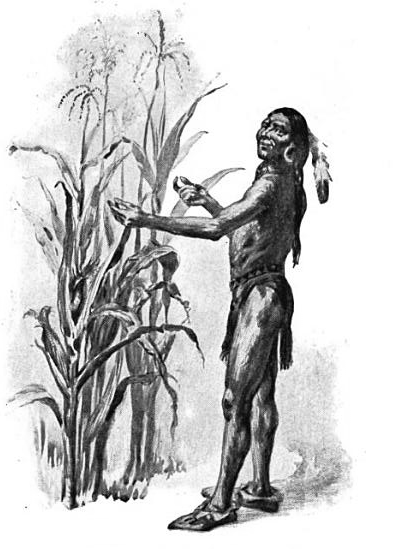


Early life and capture
Born around the late 1500s, Squanto lived in the region later called New England until he was captured by an English raiding party. Taken abroad and enslaved, he spent years away from his homeland and became fluent in English and familiar with European customs. After returning to North America, his experience gave him rare skills as an interpreter and guide between Native peoples and newcomers to the New World.
Role with the Pilgrims
When the group known as the Pilgrims arrived at Plymouth in 1620, they encountered a devastated Patuxet village; disease had reduced the local population. Squanto helped the settlers survive by teaching practical local techniques: how to plant maize using fish as fertilizer, where to fish and hunt, and how to negotiate relations with neighboring tribes. He also acted as an interpreter and helped arrange the early agreement between the colonists and the Wampanoag leadership.
Contributions and controversies
- Practical instruction: agricultural methods, fishing spots and seasonal food resources.
- Diplomacy: translation and facilitation of treaties between the Pilgrims and Wampanoag leaders.
- Navigation and guidance: knowledge of local geography and contacts among Indigenous groups.
- Contested actions: some contemporaries accused him of exploiting his role for advantage; accounts differ and should be read cautiously.
Death and legacy
Squanto died in late 1622 while traveling near Cape Cod. Contemporary reports suggest he fell ill and died during a voyage; details remain sparse. He is remembered for his pivotal, if complicated, role during the early years of English settlement. His life story illustrates the upheavals caused by contact, including captivity, cultural exchange, and the fraught politics of colonial expansion.
For more on Squanto's life and the broader historical context, see resources on Indigenous histories and early New England encounters: Native American studies, accounts of the Pilgrims, explorers' reports from the New World, and regional histories of Cape Cod.
Questions and answers
Q: Who was Squanto?
A: Squanto was a Native American who helped the Pilgrims survive in the New World.
Q: What did Squanto do for the Pilgrims?
A: Squanto learned to speak English and was hired as a guide and interpreter. He also taught the Pilgrims to plant corn.
Q: How did Squanto acquire the ability to speak English?
A: It is unclear how Squanto acquired the ability to speak English.
Q: What kind of power did Squanto have among the Native Americans and the Pilgrims?
A: Squanto had much power among the Native Americans and the Pilgrims.
Q: Did Squanto abuse his power?
A: Yes, Squanto abused his power.
Q: What was the consequence of Squanto's abuse of power?
A: Squanto barely escaped an Indian execution.
Q: When did Squanto die, and how did he die?
A: Squanto died in 1622 while making a trip around Cape Cod.
Related articles
Author
AlegsaOnline.com Squanto (Tisquantum) — Patuxet Native who aided the Plymouth Pilgrims Leandro Alegsa
URL: https://en.alegsaonline.com/art/92924
Sources
- biography.com : "Squanto biography"
- britannica.com : Encyclopedia Brittanica: Squanto
- nationalreview.com : "Squanto, the Worldly Indian Who Dazzled the Pilgrims"
- massaudubon.org : "The Alewives of April"
- mayflowerhistory.com : Mayflower History: Squanto
- heritage-history.com : Heritage History: Squanto