
Sputnik 1
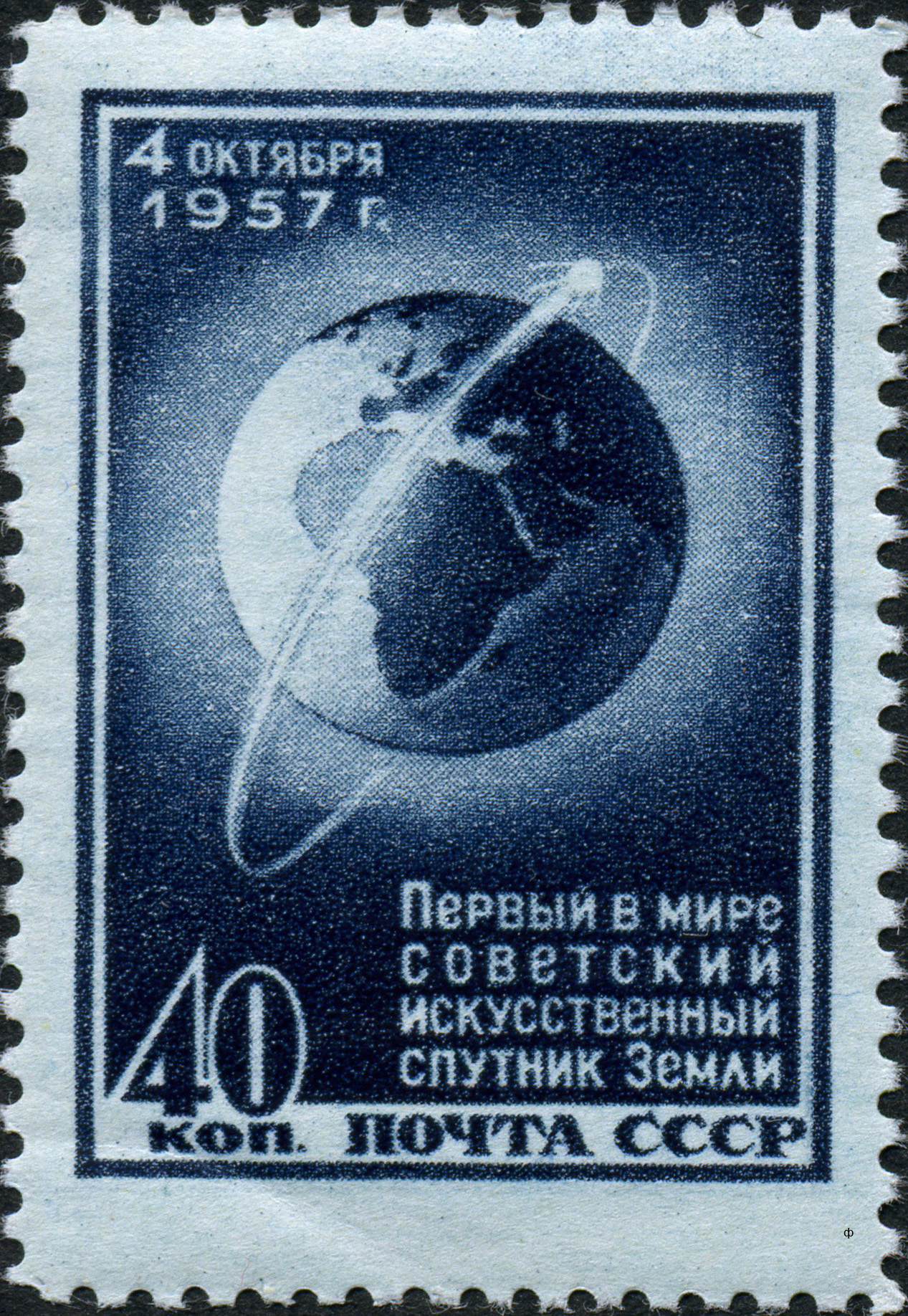
Sputnik 1 was the first human-made satellite, launched by the Soviet Union on 4 October 1957. Its successful orbit inaugurated the era of spaceflight, demonstrated orbital telemetry, and sparked the Space Race.
Overview
Sputnik 1 was the first successful artificial satellite placed into orbit around the Earth. Launched by the Soviet Union on 4 October 1957 from the Baikonur Cosmodrome, it marked humanity’s first sustained presence in space. The satellite remained in orbit for about three months, and its final reentry into the atmosphere occurred on 4 January 1958. Its launch is generally regarded as the opening event of the Space Race between the USSR and the United States.
Image gallery
10 Images




Design and mission
Sputnik 1 was a polished metal sphere roughly 58 centimetres in diameter and weighing about 83 kilograms. Four external whip antennas projected from the body, and the craft carried a simple radio transmitter that emitted regular beeps. These signals could be detected by professional observers and by radio amateurs around the world. The transmitted telemetry and the way the signal changed during each pass provided useful scientific information about the density and composition of the upper atmosphere.
The small, robust design was intended to demonstrate reliable orbital insertion and tracking rather than to carry complex instruments. During its operational lifetime it completed approximately 1,440 orbits of the Earth, with each circuit taking on the order of one and a half hours. The audible ‘‘beep’’ signals served both as confirmation of successful deployment and as a practical test of radio propagation in the ionosphere.
Development and historical context
Development of Sputnik 1 was carried out under the direction of Soviet rocket engineers and designers, led by the chief designer Sergei Korolev and his design bureau. The launch coincided with the International Geophysical Year (1957–58), a period of coordinated global scientific observation. The unexpected success of Sputnik 1 surprised the United States and many other nations, prompting rapid changes in policy.
In response to the Soviet achievement, the United States increased funding for scientific research and higher education and accelerated national efforts in space technology. Measures that followed included expanded support for scientific programs and educational initiatives in mathematics and engineering, reflecting a broader emphasis on science and education. Institutional changes soon followed that reshaped national space efforts.
Orbit, tracking and telemetry
Ground stations and radio hobbyists tracked Sputnik 1 by its radio signals; observations of its orbital motion helped verify launch performance and refine orbital calculations. Monitoring the signal strength and timing provided indirect information about atmospheric drag and the upper atmosphere's behaviour. Tracking techniques used during the mission informed later satellite tracking and orbital prediction methods.
Legacy and significance
- Technological milestone: Sputnik 1 proved that artificial satellites could be placed into orbit and reliably tracked, opening the way for communications, navigation, and Earth-observation satellites.
- Scientific contribution: Data from the mission contributed to early models of the upper atmosphere and helped validate radio propagation studies.
- Political and cultural impact: The launch intensified Cold War competition, accelerated investment in aerospace research and education worldwide, and captured public imagination about humanity’s prospects in space.
Sputnik 1 was followed by additional Soviet spacecraft that rapidly expanded the capabilities and ambitions of early space programs, including biological flights and more complex scientific payloads. Its legacy is preserved in historical records, scientific reviews, and ongoing study of the origins of space exploration. For further general background on the satellite and its context, see resources tied to the launch site and contemporary accounts from several nations that observed and responded to the event (Baikonur, Soviet program, Space Race history). For public and technical perspectives, refer to surveys of early satellite missions and the role of international scientific cooperation during the International Geophysical Year (orbital records, satellite milestones).
Sputnik 1 remains a key milestone in the history of spaceflight: its simple design, audible radio beeps, and successful orbital operation transformed scientific practice and international policy, and helped set the stage for the decades of exploration that followed.
Questions and answers
Q: What was Sputnik 1?
A: Sputnik 1 was the first artificial satellite to orbit the Earth, made by the Soviet Union.
Q: When was Sputnik 1 launched?
A: Sputnik 1 was launched on October 4th, 1957 at Baikonur Cosmodrome.
Q: How long did Sputnik 1 orbit the Earth?
A: Sputnik 1 orbited the Earth for three months.
Q: What did Sputnik 1 carry?
A: Sputnik 1 carried a radio transmitter.
Q: How many times did Sputnik 1 orbit the Earth during its three-month orbit?
A: Sputnik 1 orbited the Earth 1,440 times during its three-month orbit.
Q: When did Sputnik 1 burn up?
A: Sputnik 1 burned up on January 4th, 1958 when it entered Earth's atmosphere.
Q: What did the launch of Sputnik 1 cause the United States to do?
A: The launch of Sputnik 1 caused the United States to begin spending more money on science and education in order to keep up with the Soviet Union's technological advancements, thus starting the Space Race between the two superpowers.
Author
AlegsaOnline.com Sputnik 1 Leandro Alegsa
URL: https://en.alegsaonline.com/art/92901
Sources
- astronautix.com : "Sputnik 1" · web.archive.org
- nssdc.gsfc.nasa.gov : "Sputnik 1"
- thecaucus.blogs.nytimes.com : "Obama Calls for New 'Sputnik Moment'"