
Spring Hill, Kansas
Spring Hill is a small city in northeastern Kansas spanning Johnson and Miami counties; part of the Kansas City metropolitan area, it had 5,437 residents at the 2010 census and remains a commuter community with local services.
Overview
Spring Hill is a city located in the northeastern part of the U.S. state of Kansas, occupying land in both Johnson County and Miami County. It is considered part of the greater Kansas City Metropolitan Area. According to the 2010 census, the population was 5,437. The community combines a small-town feel with access to the jobs and services of a large metropolitan region.
Image gallery
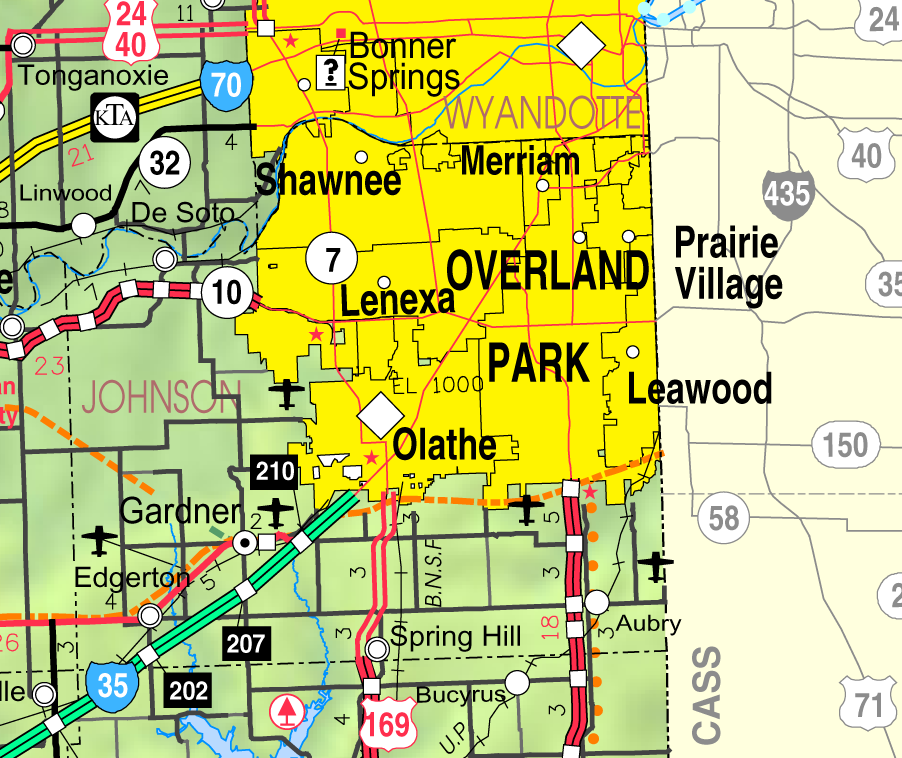
3 Images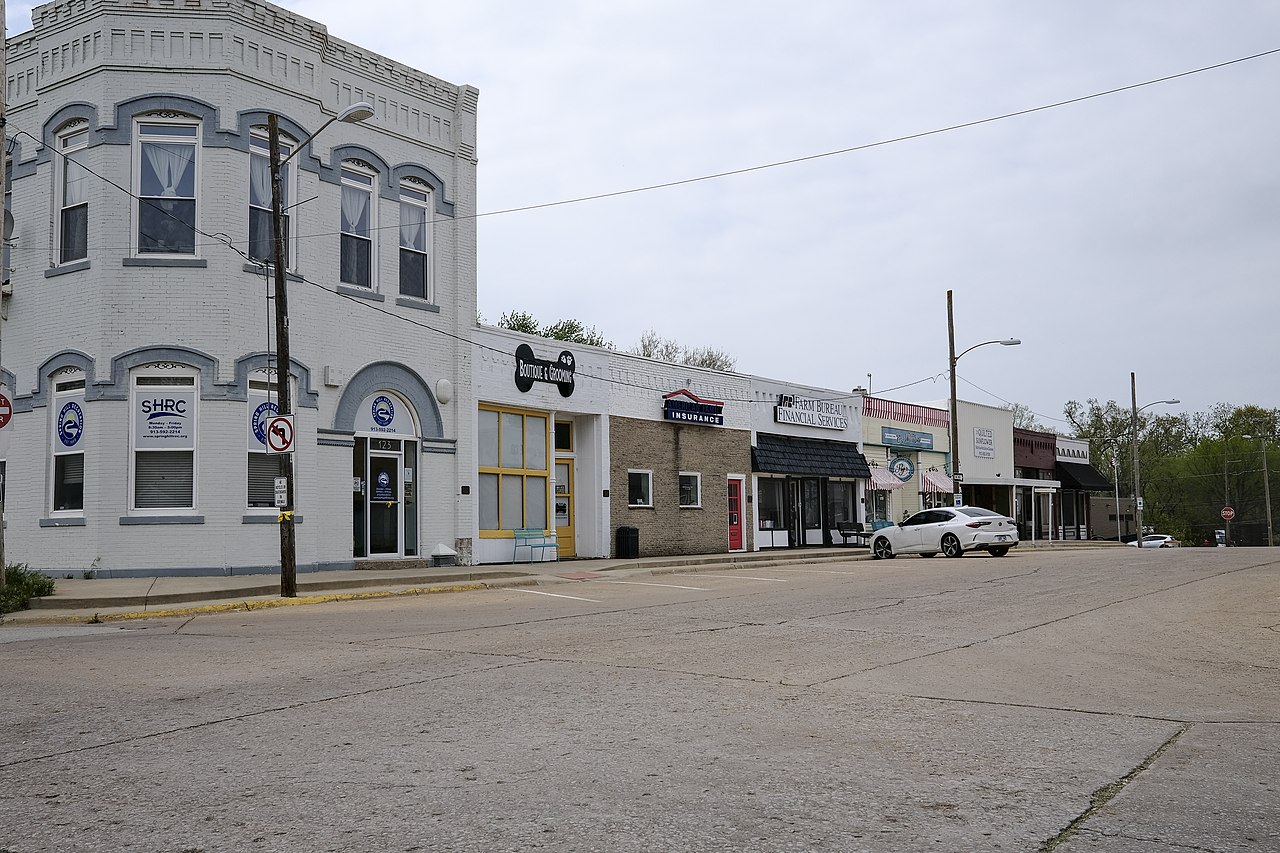

Geography and character
Spring Hill sits on gently rolling terrain typical of northeastern Kansas, with a mix of residential neighborhoods, small commercial corridors, and surrounding agricultural land. The city’s layout reflects steady residential growth over recent decades: older central neighborhoods are complemented by newer subdivisions built to serve commuters. Local parks, community facilities, and schools contribute to a suburban-rural character.
History and development
The town’s origins date to the 19th century when settlement and transportation routes opened northeastern Kansas to farming and trade. Over time, rail and road links shaped the local economy and encouraged modest growth. Spring Hill formally developed municipal institutions and services as its population increased and as the Kansas City region expanded southward and eastward.
Government, education, and services
Spring Hill is governed as a city with an elected council and mayor and provides typical municipal services such as police, fire protection, utilities, and parks. Public education is served by the local unified school district (Spring Hill School District, USD 230), which operates elementary, middle, and high school facilities for area families. Local libraries, volunteer organizations, and civic groups play an active role in community life.
Economy, transportation, and daily life
The local economy blends small businesses, service firms, and agricultural activity on the outskirts. Many residents commute to jobs elsewhere in the Kansas City metro, taking advantage of regional highways and arterial roads. Public transit options are limited compared with larger cities, so private vehicles are the primary mode of travel. Community amenities include parks, recreational programs, and periodic public events that maintain a close-knit atmosphere.
Notable facts and context
- Part of the broader metropolitan region, Spring Hill benefits from proximity to urban centers while retaining lower-density neighborhoods.
- Growth since the late 20th century reflects suburban expansion and demand for family-oriented communities outside major cities.
- Residents typically identify strongly with local schools, volunteer organizations, and seasonal community activities.
For more information about the counties and regional planning that affect Spring Hill, see resources on Johnson County, Miami County, and metropolitan services in the Kansas City area. Historical and census resources are available through state and federal archives and the 2010 census documentation.
Questions and answers
Q: Where is Spring Hill located?
A: Spring Hill is located in Johnson and Miami counties in the U.S. state of Kansas.
Q: What is the population of Spring Hill?
A: According to the 2010 census, the population of Spring Hill is 5,437.
Q: Is Spring Hill part of the Kansas City Metropolitan Area?
A: Yes, Spring Hill is part of the Kansas City Metropolitan Area.
Q: What is the significance of Spring Hill in Kansas?
A: Spring Hill is a city located in Kansas that is part of the Kansas City Metropolitan Area.
Q: What is the estimated population density of Spring Hill?
A: The estimated population density of Spring Hill is approximately 1,088 people per square mile.
Q: How does the population of Spring Hill compare to other cities in Kansas?
A: The population of Spring Hill is smaller than many other cities in Kansas.
Q: Is Spring Hill a rural or urban area?
A: Spring Hill is located in a mix of rural and urban areas, as it is part of the Kansas City Metropolitan Area.
Related articles
Author
AlegsaOnline.com Spring Hill, Kansas Leandro Alegsa
URL: https://en.alegsaonline.com/art/92852
Sources
- census.gov : "US Gazetteer files 2010"
- factfinder2.census.gov : "American FactFinder"
- census.gov : "Population and Housing Unit Estimates"
- factfinder2.census.gov : "American FactFinder"
- geonames.usgs.gov : "US Board on Geographic Names"
- factfinder2.census.gov : "2010 City Population and Housing Occupancy Status"
- ks-springhill.civicplus.com : "Spring Hill History"
- pinn.net : "Czech Medicine"
- miamicountyks.org : "Miami County Driving Tour-Spring Hill"
- usd230.org : Davis Family Does Not Survive Tornado
- gardnernews.com : 1957 Tornado Destroys Homes, Lives In Spring Hill
- census.gov : "US Gazetteer files: 2010, 2000, and 1990"
- usd230.k12.ks.us : "Spring Hills School District"
- baseball-reference.com : "Curly Brown"