
SpongeBob SquarePants — Season 3
Season three of the animated series SpongeBob SquarePants aired 2001–2004. It spans many well-known episodes, coincided with the theatrical movie, and won multiple Nickelodeon Kids' Choice Awards.
The third season of SpongeBob SquarePants is part of the long-running American animated television series created by marine biologist and animator Stephen Hillenburg. Season three was broadcast on Nickelodeon from October 5, 2001 to October 11, 2004. This period in the show's run is notable for its mix of inventive comedy, character-driven stories, and episodes that have since become fan favorites.
Image gallery
2 Images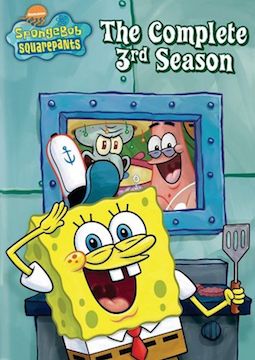

Characteristics and structure
The season retains the program's short-segment format, combining fast-paced visual gags with absurd, character-based humor. Episodes typically center on SpongeBob, his coworker Squidward, best friend Patrick, neighbor Sandy, and Mr. Krabs, and they explore workplaces, homes, and the nautical city of Bikini Bottom. Voice performances, simple yet expressive backgrounds, and musical cues continued to define the series' style during this season.
Notable episodes and moments
- Several entries from this season are often cited as classics for their comedic timing and memorable lines.
- Episodes from this era frequently appear in retrospective lists and are commonly used in clips, compilations, and cultural references.
- The season includes a mix of slapstick, satire, and character study that appealed to both children and adult viewers.
During the run of season three the franchise expanded beyond television. Creator Hillenburg paused regular series duties to produce The SpongeBob SquarePants Movie, a theatrical feature that was intended to serve as a culminating event for the early show. The movie’s commercial and critical success led Nickelodeon to keep the television series in production rather than ending it after the film.
Reception and legacy
Season three was well received and recognized by audiences. The series won the Nickelodeon Kids' Choice Award for Favorite Cartoon in both 2003 and 2004, reflecting its popularity with young viewers and its cultural impact (Kids' Choice Awards). Many episodes from this season continue to be referenced in popular culture and shared online, contributing to the show’s lasting presence.
Overall, season three represents a period of consolidation and growth for the series: maintaining the program’s original creative voice while transitioning the franchise onto the big screen and securing a wider, multi-generational audience. It remains a frequently cited example of the show’s early creative peak.
Questions and answers
Q: What is SpongeBob SquarePants?
A: SpongeBob SquarePants is an American animated television series.
Q: When was season 3 of SpongeBob SquarePants on television?
A: Season 3 was on television from October 5, 2001 to October 11, 2004.
Q: Who is the creator of SpongeBob SquarePants?
A: The creator of SpongeBob SquarePants is Stephen Hillenburg.
Q: Why did Stephen Hillenburg stop making the television series?
A: Stephen Hillenburg stopped making the television series in order to make The SpongeBob SquarePants Movie.
Q: Was the television series meant to end after The SpongeBob SquarePants Movie was released?
A: Yes, the television series was meant to end after The SpongeBob SquarePants Movie was released.
Q: Did the popularity of The SpongeBob SquarePants Movie affect the television series?
A: Yes, the television series continued because the movie was so popular.
Q: Did the third season of SpongeBob SquarePants win any awards?
A: Yes, the third season won both the 2003 and 2004 Nickelodeon Kids' Choice Awards for Favorite Cartoon.
Related articles
Author
AlegsaOnline.com SpongeBob SquarePants — Season 3 Leandro Alegsa
URL: https://en.alegsaonline.com/art/92771