
Spire (architectural element)
A spire is a tapering structure mounted atop a building or tower, commonly associated with churches; it combines aesthetic, symbolic and structural roles and appears in many historical and modern forms.
A spire is a tapering, vertical structure placed on the summit of a building or tower. Visually it often takes a conical or pyramidal form and can be singular or composed of multiple pinnacles. Spires commonly crown a church tower, where they act as a prominent skyline device and a visible landmark for congregations and travelers.
Image gallery
10 Images
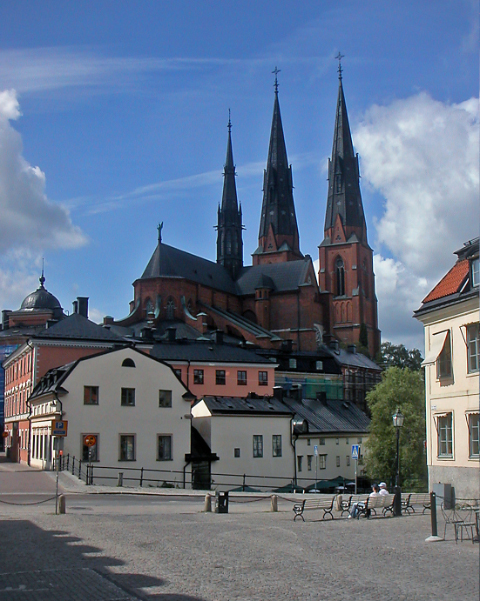
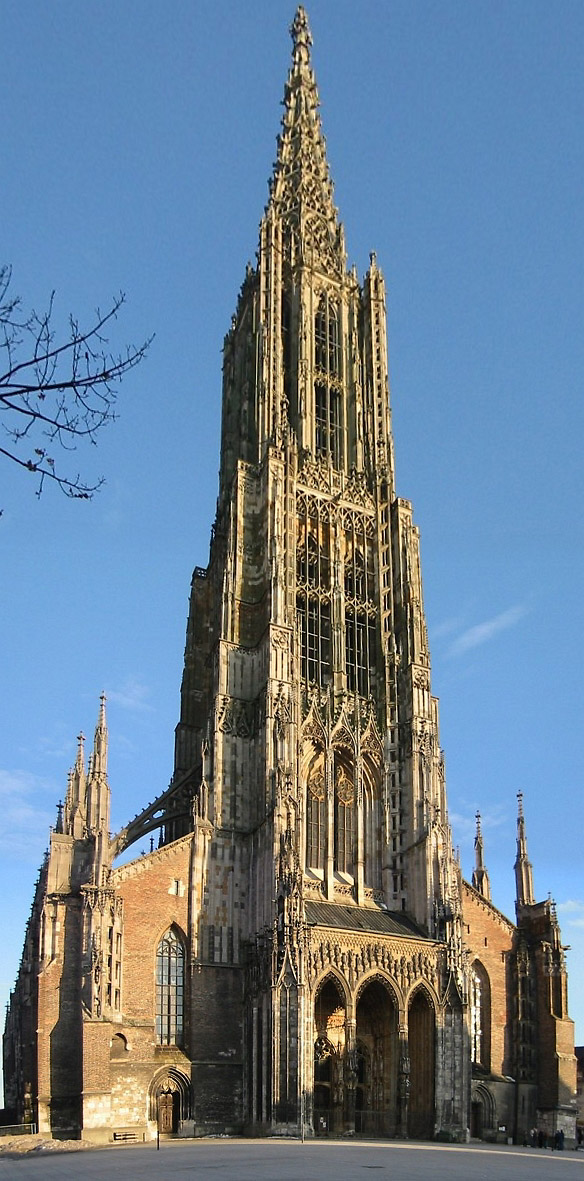


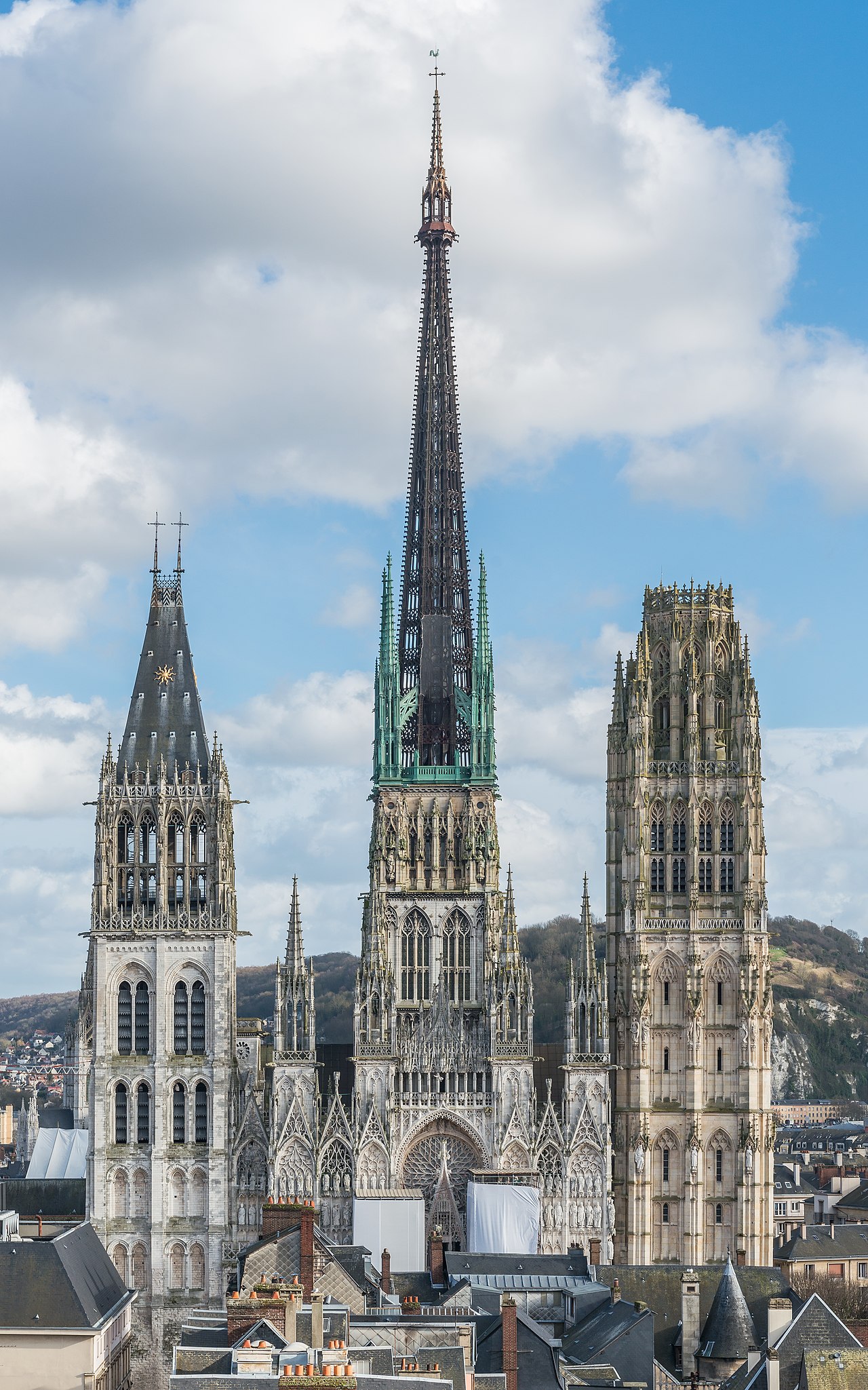


Characteristics and types
Spires vary widely in shape and construction. Simple forms are smooth cones or four-sided pyramids; Gothic architecture popularized slender, pointed spires that accentuate verticality. Variants include needle spires, flèches (slender metal or timber spires often set over the crossing of a church), broach spires (which transition from a square tower base to an octagonal spire) and clustered or compound spires that combine several pointed elements.
- Materials: stone, timber, lead, copper and modern metals are all used depending on period and budget.
- Decoration: spires may be plain, ribbed, crocketed or topped with finials, crosses or weather vanes.
- Structure: internal timber frameworks, masonry shells or metal skeletons support the taper; wind and ice loading are important design considerations.
History and symbolism
The word itself has an old linguistic pedigree: etymologically it derives from an Old English term that meant a sprout or stalk, reflecting the upward, tapering form and growth metaphor. From medieval times, especially during the Gothic period, spires became powerful religious symbols intended to point toward the heavens. They also expressed civic pride and the wealth or influence of a parish or city. Over centuries the form moved beyond strictly sacred uses and has been adopted by secular architecture as a visual flourish.
Uses and engineering
Beyond symbolism, spires have practical roles. In churches they help make the building visible at distance and often house bells, staircases or ventilating shafts. Modern rooftop spires can conceal telecommunications equipment or act as architectural extensions to increase perceived height. Functional additions like lightning rods are commonly integrated. Careful engineering is required to resist lateral forces; historic spires sometimes depend on buttressing or internal timber frames, while contemporary examples may use steel and concrete cores.
Distinctions and notable examples
Terms related to spires can overlap: a steeple often refers to the combination of tower and spire; a pinnacle is a smaller ornamental point; a minaret serves a similar vertical-signalling role in Islamic architecture. Some of the world’s most recognized spires are found on European cathedrals and town churches, and recent skyscraper designs make spirited use of spire-like crowns—one contemporary example is The Shard, which uses a tapering form to define the skyline. Historic cases such as famous cathedral spires are well known, and episodes of damage and restoration (for example when fire or storm destroys a timber-framed spire) highlight the conservation challenges authorities face.
As an architectural element a spire remains both symbolic and practical: it marks a site, shapes a skyline and reflects the technological and aesthetic priorities of its time. For further reading on structural detail and regional styles, consult specialist architecture references and conservation guides: see entries on architectural ornamentation and the role of spires in Christian church design. Additional general information can be found via resources linked here: origins and forms, symbolic meanings, and comparative case studies at conical examples and pyramidal examples.
Questions and answers
Q: What is a spire?
A: A spire is a conical or pyramidal structure on the top of a building, particularly a church tower.
Q: Where does the word "spire" come from?
A: The word "spire" comes from the Old English word "spir", meaning a sprout, shoot, or stalk of grass.
Q: What are the symbolic effects of spires?
A: Spires have two symbolic effects. One is to show strength and power, and the other is to reach up toward the skies as a religious gesture.
Q: Why are spires associated with religious buildings?
A: Spires are associated with religious buildings because they reach up towards the skies as a religious gesture.
Q: What is the tallest spire today and what kind of building is it on?
A: The Shard is the tallest spire today, and it is on a secular place of business or hotel.
Q: On what kind of buildings are spires most often found?
A: Spires are most often found on Christian churches as an architectural ornament.
Q: What is the impression that a spire gives due to its spear point?
A: A spire, with its spear point, gives the impression of strength.
Related articles
Author
AlegsaOnline.com Spire (architectural element) Leandro Alegsa
URL: https://en.alegsaonline.com/art/92706
Sources
- etymonline.com : "Online Etymology Dictionary"