
Spiral Curves: Definition, Types, Mathematical Properties and Applications
Comprehensive guide to spiral curves covering definitions, major types (Archimedean, logarithmic, hyperbolic), core mathematical properties and practical applications in science, engineering and biology
Overview
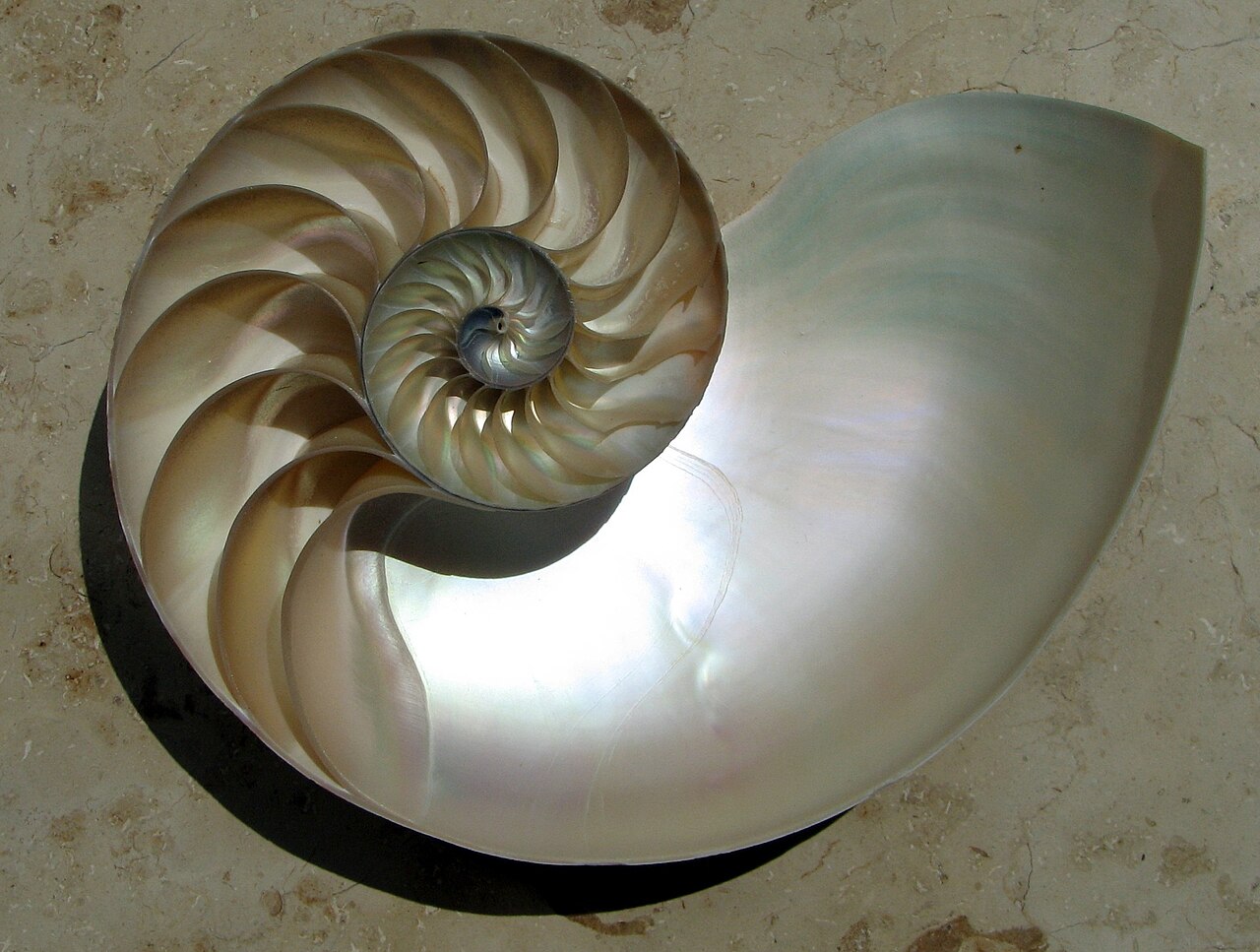
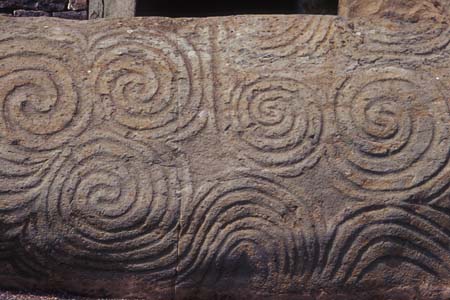
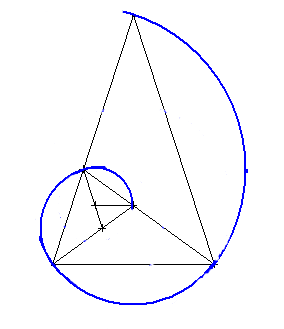
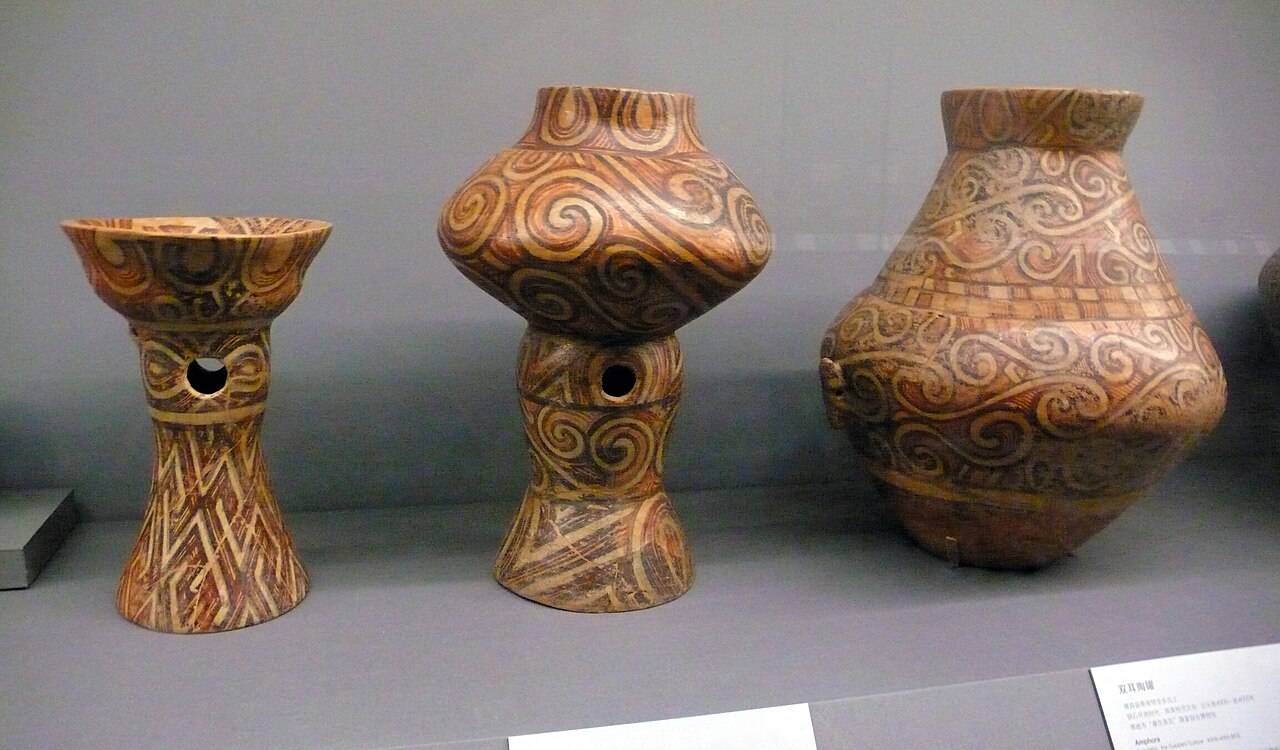
A spiral is a class of mathematical curve characterized by a path that winds around a central point while the distance from that point changes continuously. Typically a spiral begins near a center and proceeds to revolve around it while moving outward (or, in some cases, inward), so successive turns do not coincide.
Image gallery
10 Images



Properties
- Non‑closing: Spirals are open curves, meaning they do not form a closed loop and do not return to the same position after a finite number of turns.
- Radial change: The separation from the center varies with the angle; different named spirals use different relationships between radius and angle (for example, linear growth or exponential growth).
- Applications: Spirals appear in geometry, physics, biology, and engineering as models for growth patterns, wavefronts, and motion paths in mathematics and applied sciences.
How spirals differ from closed curves
Unlike a circle, where every point lies a constant distance from the center, or an ellipse, which is a closed oval shape with repeating distances around the center, a spiral’s radius does not repeat periodically. This means a point moving along a spiral continues to move away from (or toward) the center rather than tracing a bounded loop.
Questions and answers
Q: What is a spiral in mathematics?
A: A spiral is a curve in mathematics that starts at a point and gets farther away from it as it goes around.
Q: How does a spiral differ from a circle?
A: A spiral is different from a circle because it gets farther away from a central point as it goes around, whereas a circle always stays at the same distance from its center.
Q: Is a spiral a closed curve?
A: No, a spiral is an "open" curve, unlike circles and ellipses which are closed curves.
Q: Can a spiral be considered a type of ellipse?
A: No, a spiral is not a type of ellipse because an ellipse is a closed curve whereas a spiral is an open curve.
Q: Does a spiral always move in one direction?
A: No, a spiral can move in either a clockwise or counterclockwise direction.
Q: What is the starting point of a spiral?
A: A spiral starts at a single point.
Q: Is there only one type of spiral curve?
A: No, there are multiple types of spiral curves including Archimedean, logarithmic, and hyperbolic spirals.
Related articles
Author
AlegsaOnline.com Spiral Curves: Definition, Types, Mathematical Properties and Applications Leandro Alegsa
URL: https://en.alegsaonline.com/art/92705
Sources
- algorithmicbotany.org : The Algorithmic Beauty of Plants