
Spider monkey (genus Ateles)
Arboreal New World monkeys of the genus Ateles, known for long limbs and a prehensile tail; frugivorous, socially complex, and important seed dispersers found from southern Mexico to northern South America.
Overview
Spider monkeys are a group of arboreal primates in the genus Ateles. They belong to the larger grouping of New World monkeys and are adapted to life high in the canopy. Characterized by long limbs and a highly flexible, prehensile tail, spider monkeys move with acrobatic agility by swinging and leaping between branches. They are primarily found in tropical rainforests from southern Mexico to parts of northern South America.
Image gallery
10 Images






Physical characteristics
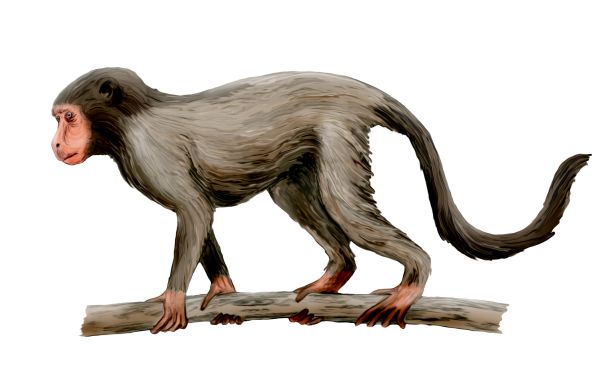
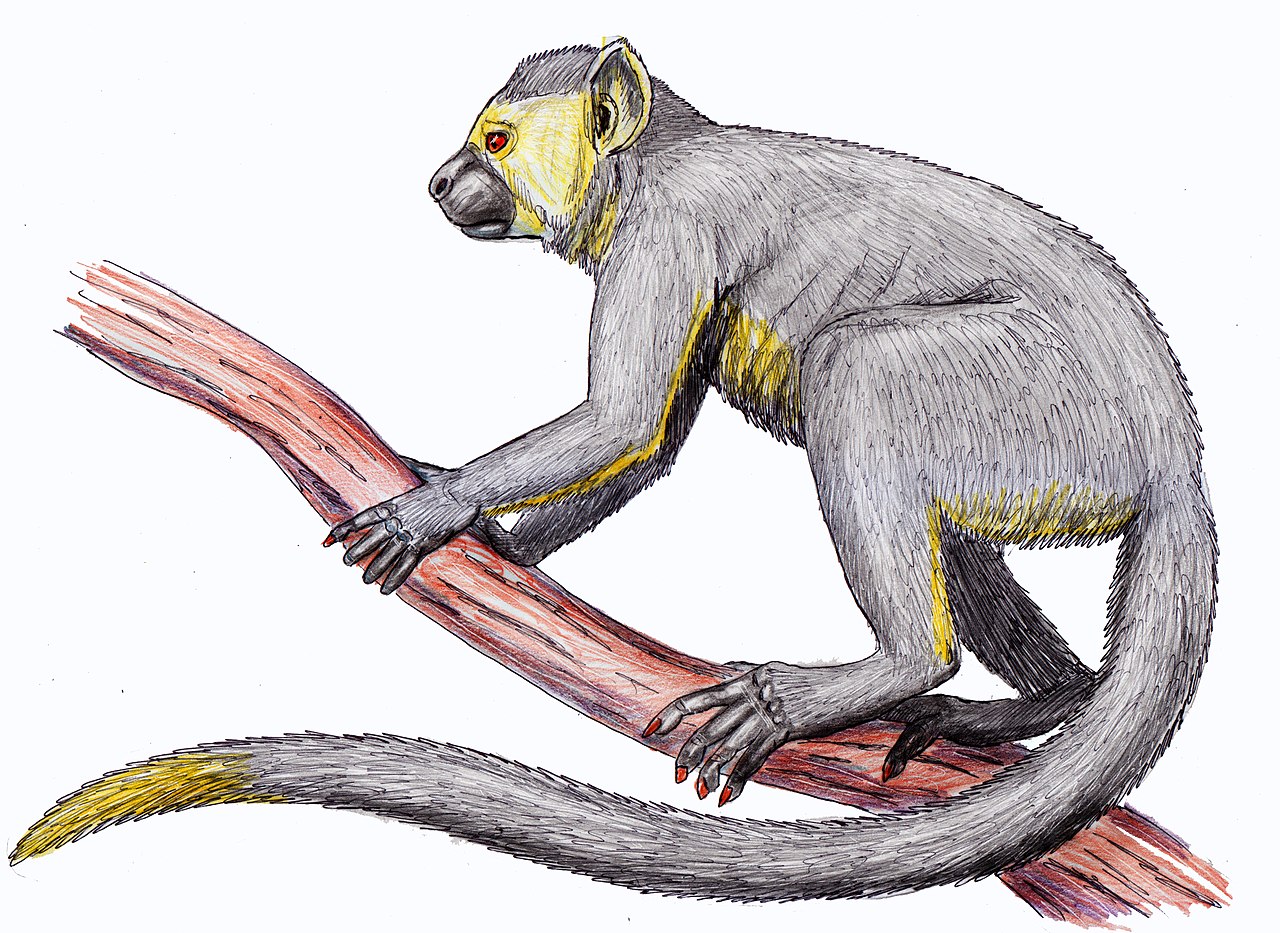
Spider monkeys have slender bodies, long forelimbs and hindlimbs, and a distinctive tail that functions almost like a fifth hand. The tip of the tail is often hairless underneath to improve grip. Unlike many primates, they have a reduced or absent thumb, a feature that facilitates rapid brachiation (arm-swinging). Fur color varies by species and can range from black and brown to golden or pale shades.
Habitat and range
These primates inhabit tropical and subtropical forest types, including lowland and montane rainforests, where tall trees and continuous canopy support their locomotion and feeding habits. They occupy territories within the forest and generally avoid coming to the ground, relying on the canopy for refuge, movement and food.
Behavior, diet and social life
Spider monkeys are mostly frugivorous, eating a diet dominated by ripe fruit, supplemented by leaves, flowers, seeds and occasional insects. They live in social groups or "bands" that may contain roughly 10 to 40 individuals; within these larger bands smaller subgroups form and re-form throughout the day in a fission–fusion pattern. This flexible social structure helps them respond to changing food availability and avoid intruders from neighboring bands.
Reproduction and lifespan
Females typically produce a single offspring each year. Young are dependent on maternal care for an extended period as they learn to navigate the canopy and acquire foraging skills. In the wild, spider monkeys commonly live into their twenties, with typical reported lifespans around 20 to 27 years or longer under favorable conditions.
Conservation and importance
Many spider monkey populations face threats from habitat loss, fragmentation and hunting. Several species and populations are considered vulnerable or endangered. Their role as seed dispersers makes them important for forest regeneration and ecosystem health. Conservation measures include habitat protection, connectivity of forest fragments, and research and education to reduce hunting and human pressure.
Notable facts
- Highly arboreal and rarely descend to the ground.
- Use the tail as an extra limb for grasping and balance.
- Live in territorial bands and exhibit complex social dynamics.
For further general information see resources on New World monkeys and the genus Ateles, and regional guides covering rainforests of southern Mexico to northern South America.
Questions and answers
Q: What are spider monkeys?
A: Spider monkeys are New World monkeys from genus Ateles that are well suited to living in trees.
Q: How do spider monkeys move through trees?
A: Spider monkeys move quickly through tree by swinging and jumping from branch to branch.
Q: Where are spider monkeys found?
A: Spider monkeys are found in rainforests in southern Mexico to the northern part of South America.
Q: How do spider monkeys live?
A: Spider monkeys live in groups or bands of 10 to 40 monkeys, with each band having its own territory. One band of monkeys will not enter the territory of another band.
Q: How many offspring do spider monkeys have per year?
A: Spider monkeys have one offspring per year.
Q: What is the lifespan of spider monkeys?
A: Spider monkeys live between 20 to 27 years or more.
Q: Do spider monkeys come down to the ground often?
A: No, spider monkeys rarely come down to the ground.
Related articles
Author
AlegsaOnline.com Spider monkey (genus Ateles) Leandro Alegsa
URL: https://en.alegsaonline.com/art/92662
Sources
- pin.primate.wisc.edu : "Primate Factsheets: Black spider monkey (Ateles fisciceps) Taxonomy, morphology, and ecology"
- books.google.com : International Wildlife Encyclopedia
- books.google.com : Birds and Beasts of Ancient Latin America