
Sphynx cat
A domestic cat breed recognized for its near hairlessness, warm, supple skin, active temperament, and specific care needs including bathing, sun protection, and attentive breeding.
Overview
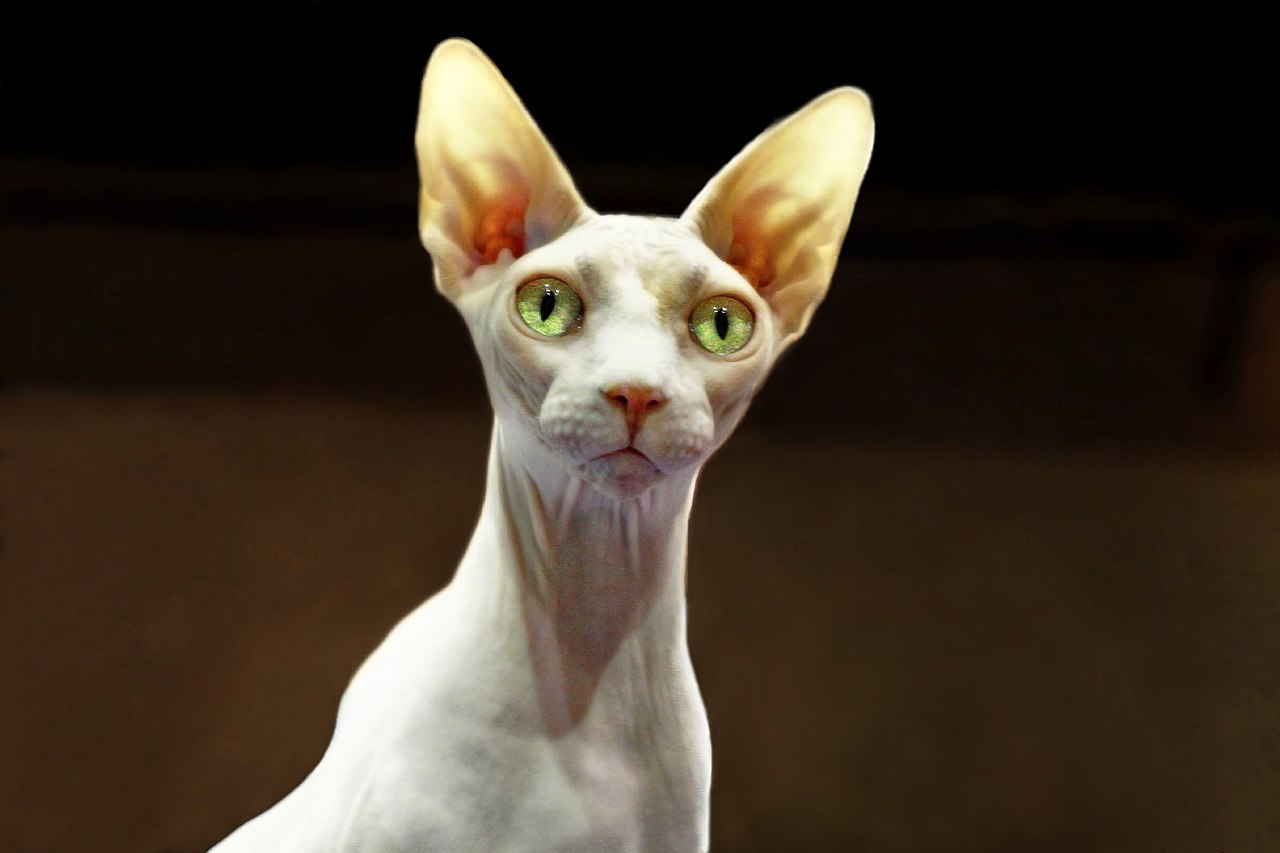
The Sphynx is a distinctive domestic cat breed best known for its apparent hairlessness and warm, suede-like skin. Although often described as "hairless," Sphynx cats retain a fine down of peach-fuzz that gives their skin a soft texture and reveals underlying coat patterns and colors that would appear on a furred cat. The breed combines a striking appearance with an energetic, affectionate temperament and requires targeted care to maintain skin and overall health. See a general introduction to the breed: Sphynx cat basics.
Image gallery
9 Images


Appearance and genetics
Sphynx cats have a muscular, medium-sized body, large ears, and prominent cheekbones. Their skin shows the markings and colors typical of other breeds—tabby, calico, solid, and pointed patterns are all visible on the Sphynx because the pigment is carried in the skin. Whiskers and eyebrows may be present, sparse, or entirely absent in different individuals, and the skin often feels warm to the touch because of increased heat loss through the lack of insulating fur. For a closer look at texture and coat traits see skin and coat information and notes on whisker variability: whisker traits.
History and development
The modern Sphynx traces to natural mutations producing reduced coat in cats and selective breeding beginning in the mid-20th century. Early populations were observed in several countries, with organized breeding programs developed to stabilize the hairless trait and establish a consistent type. Breeders worked to maintain healthy, social cats while preserving the breed’s distinctive appearance. Historical summaries and breed registries provide background: breed history and standard descriptions.
Temperament and behavior
Personality-wise, Sphynx cats are commonly described as affectionate, curious, and social. They often seek human companionship, enjoy interactive play, and tolerate handling well. Their higher-than-average need for warmth leads them to cuddle with people, burrow under blankets, or sunbathe—behaviors that make them visibly clingy but also highly engaging companions.
Care, health, and common issues
Because they lack a full coat, Sphynx cats require specific maintenance to keep skin healthy and comfortable. Routine care often includes:
- Regular baths to remove excess skin oils and prevent clogged follicles.
- Gentle skin checks and sun protection to avoid sunburn and temperature extremes.
- Frequent ear cleaning and nail care to remove wax and debris.
- Attention to indoor climate: they do better in warm environments and may wear breathable garments in cooler weather.
Medically, Sphynx cats can be prone to skin conditions, fungal infections, and a higher exposure to cold-related illnesses in very young kittens. Responsible breeders and veterinarians advise careful monitoring of neonatal kittens, because early-life respiratory infections are a concern; many breeders wait until kittens are at least 12–14 weeks old before rehoming. Genetic health screening—particularly for heart conditions such as hypertrophic cardiomyopathy—and regular veterinary checkups are recommended. For clinical guidance see health and care resources.
Breeding, ethics, and notable distinctions
Selective breeding has emphasized temperament and health as much as appearance. Ethical breeders focus on genetic testing, early socialization, and delaying adoption until kittens are robust and vaccinated. Prospective owners should seek reputable breeders or consider adoption and be aware that Sphynx cats are not hypoallergenic; people allergic to cat dander may still react because allergens are produced in skin oils and saliva. For breeder guidelines and adoption advice consult breeding and welfare guidance.
Questions and answers
Q: What is the Sphynx?
A: The Sphynx is a breed of cat that does not have much hair or fur on its body.
Q: Is the Sphynx truly hairless?
A: No, the Sphynx is not truly hairless. It has a fine layer of down on its skin.
Q: Does the Sphynx have whiskers?
A: The Sphynx may or may not have whiskers.
Q: What color is the Sphynx's skin?
A: The Sphynx's skin is the color that the fur would be.
Q: Does the Sphynx have the same coat patterns as other cats?
A: Yes, the Sphynx has all the same coat patterns found on other cats, but they are seen on the Sphynx's skin.
Q: Why do Sphynx cats like to seek sun or warm places?
A: Sphynx cats like to seek sun or warm places because they lose more body heat than cats with fur and are naturally cold.
Q: What can be a health issue for Sphynx kittens in the first weeks of life?
A: The lack of hair can cause health issues with Sphynx kittens in the first weeks of life because they can get sick with respiratory infections.
Related articles
Author
AlegsaOnline.com Sphynx cat Leandro Alegsa
URL: https://en.alegsaonline.com/art/92649
Sources
- animalplanet.com : "Cat breed directory: Sphinx"
- beeblebroxsphynx.com : "Sphinx History"
- animal.discovery.com : "Animal Planet : Cat Breed Profile : Sphynx"