
Sperm whale (Physeter macrocephalus)
The sperm whale is the largest toothed whale, notable for its enormous spermaceti-filled head, deep-diving behavior, conical lower teeth, complex social structure, and historical importance to whaling.
Overview
The sperm whale is a large, deep-diving toothed whale found in oceans worldwide. Recognizable by an exceptionally large, block-shaped head—often about one third of the animal's length—it is the biggest of the toothed whales and one of the most distinctive marine mammals. The head contains a spermaceti organ that plays roles in sound production and buoyancy control. Sperm whales are long-lived, wide-ranging predators that feed mainly on large squid and fish.
Image gallery
10 Images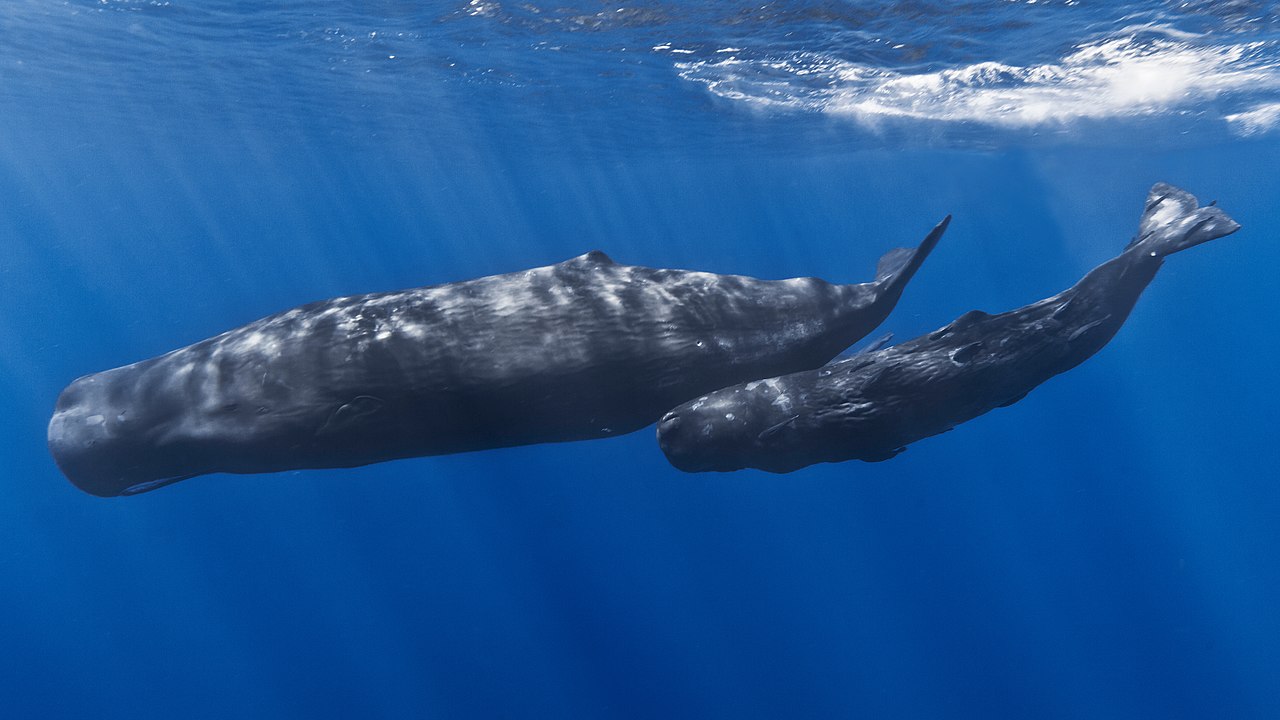





Anatomy and adaptations
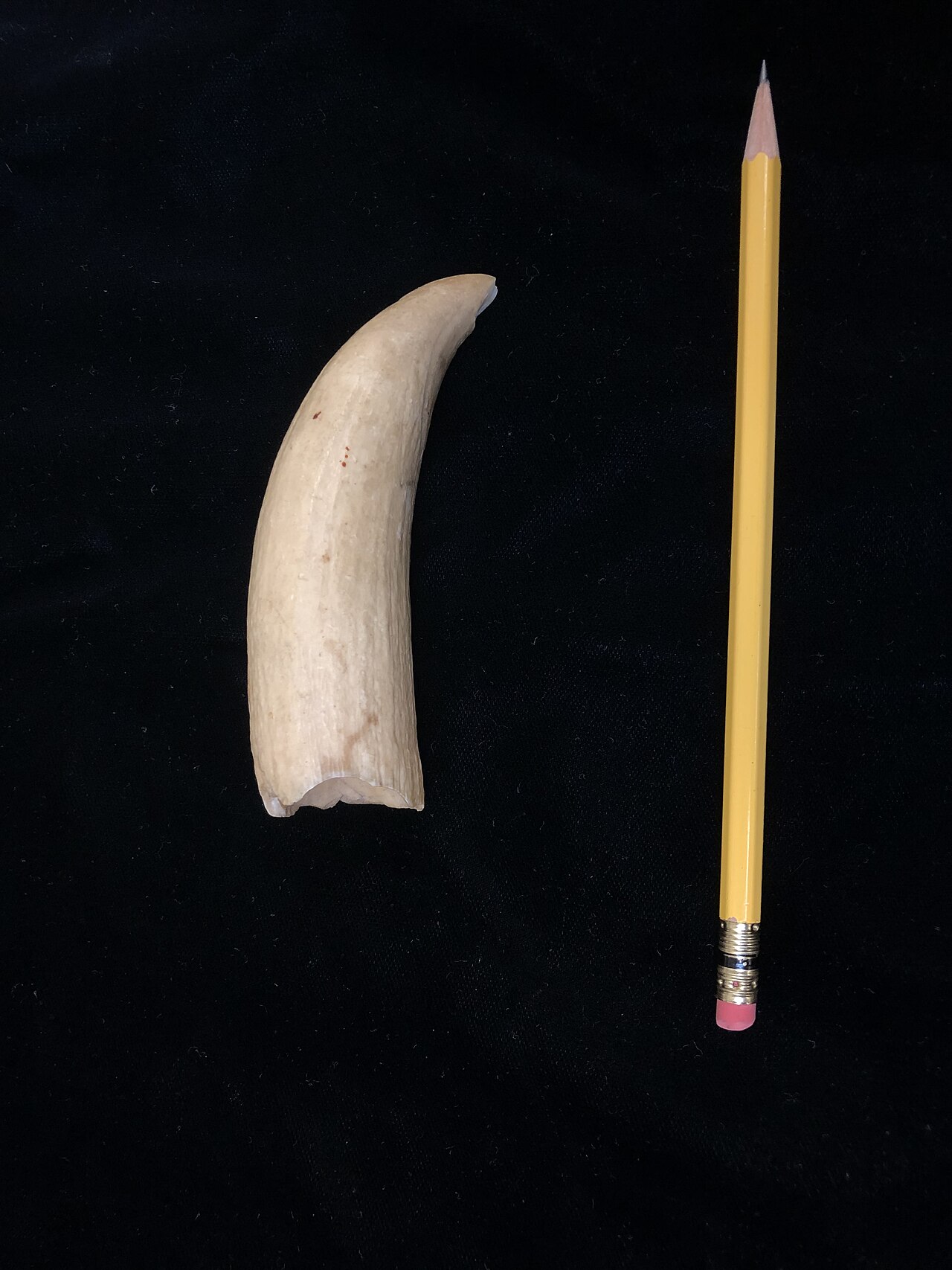
Sperm whales have a massive, oil-filled head and a relatively narrow lower jaw lined with large, conical teeth. Those teeth fit into sockets in the roof of the mouth, a detail sometimes noted in anatomical descriptions (lower jaw teeth and sockets). The spermaceti organ—a large structure of waxy oil and other tissues—occupies much of the head and is associated with powerful, focused clicks used for echolocation. Thick blubber, sturdy bodies, and robust lungs support long, deep dives.
Behavior and ecology
These whales are accomplished deep divers that hunt at great depths for squid and other prey. They employ loud, patterned clicking sounds both to navigate in darkness and to locate prey. Social structure is complex: females and young typically form stable matrilineal groups, while mature males may lead more solitary lives or gather in loose bachelor groups. Sperm whales communicate with series of clicks called codas, which vary between groups and populations.
Range, diet and life history
Sperm whales inhabit oceanic waters across temperate and tropical regions. Their diet is dominated by cephalopods, including large squid, but they will also eat fish and other deep-water organisms. Calves are raised within family groups; adult females and younger animals cooperate in caring for young. Growth is slow and populations recover slowly from large losses.
Human interactions and conservation
Historically, sperm whales were heavily hunted for spermaceti oil and ambergris, materials prized for lighting, lubrication and perfumery, which drove dramatic population declines in the 18th and 19th centuries. Today they are protected in many regions, but threats remain from ship strikes, entanglement, noise pollution, and the long-term effects of historical whaling. Conservation assessments list sperm whales as at risk in parts of their range, and international efforts monitor populations and mitigate human impacts.
Notable facts
- They are the largest toothed whales and possess the largest brain of any known animal.
- The spermaceti organ contributes to their unique silhouette and sophisticated acoustic abilities.
- Ambergris, a rare digestive by-product once highly valued, is associated with sperm whales.
Understanding of sperm whale biology has advanced through a mix of historical records, modern observation, acoustic studies and tagging, but many aspects of deep-water behavior and population structure continue to be active areas of research.
Questions and answers
Q: What is a sperm whale?
A: The sperm whale is the largest toothed whale also known as the cachalot.
Q: What is the size of the sperm whale's head?
A: The sperm whale has the biggest head of any animal which can be about 20 feet long, and is about one-third of the whale's body.
Q: What is the size of the lower jaw of the sperm whale?
A: The lower jaw of the sperm whale is small in size.
Q: What type of teeth does the sperm whale have?
A: The sperm whale has huge, conical teeth that fit into sockets in the upper jaw.
Q: Is the sperm whale a baleen or toothed whale?
A: The sperm whale is a toothed whale.
Q: How does the size of the sperm whale's head compare to its body?
A: The sperm whale's head is about one-third of its body.
Q: What is another name for the sperm whale?
A: The sperm whale is also known by the name cachalot.
Author
AlegsaOnline.com Sperm whale (Physeter macrocephalus) Leandro Alegsa
URL: https://en.alegsaonline.com/art/92629
Sources
- species.wikimedia.org : Physeter catodon · archive.org
- zbmath.org : 0945.14001
- doi.org : doi.org/10.7717/peerj.715