
Spanking: practice, effects, legal responses and alternatives
Overview of spanking as corporal punishment, common methods, research on effects, legal status in various countries, controversies and recommended non-violent alternatives.
Overview
Spanking refers to striking the buttocks of a person, most commonly a child or adolescent, typically with an open hand. It is a form of corporal punishment intended to cause pain or discomfort as a response to unwanted behaviour. While historically widespread in many cultures and institutions, attitudes toward spanking have shifted considerably in recent decades as research, medical organizations and human rights advocates have reassessed its usefulness and risks.
Image gallery
8 Images


Forms, settings and common practices
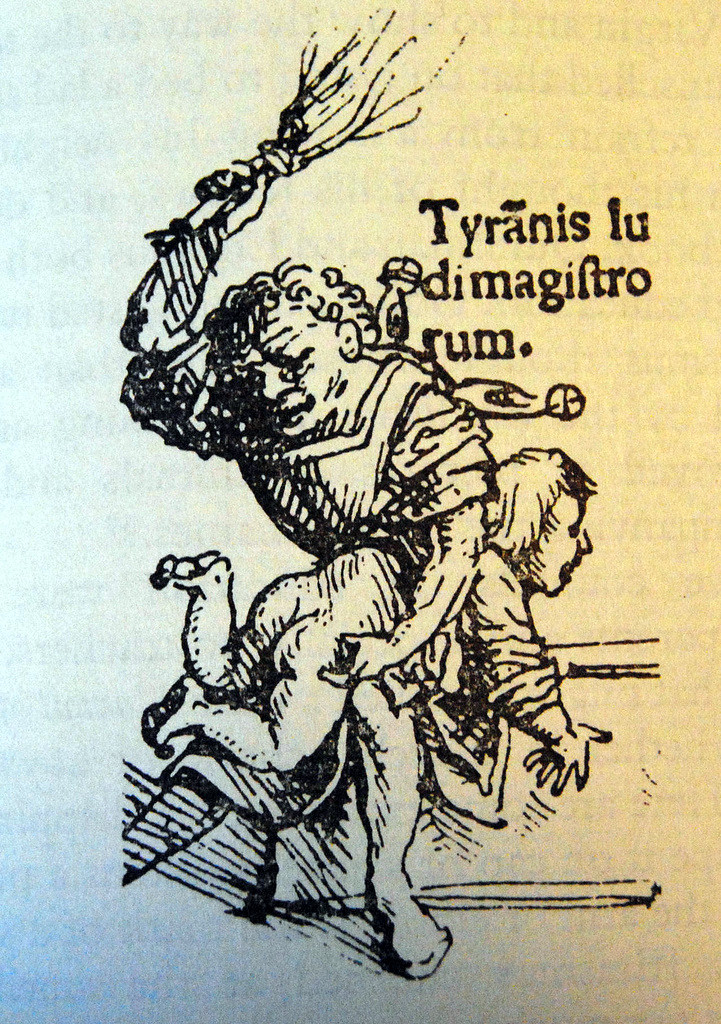
In everyday use, spanking often involves an adult striking a child's buttocks with a bare hand while the child is clothed or unclothed. Variants include using implements such as a belt, wooden spoon, paddle or other objects; such use is widely discouraged by health and child-protection authorities because it increases the risk of harm. Spanking may occur in private family settings, educational or disciplinary institutions, or, less commonly now, in judicial corporal punishment systems. Typical postures described include the child across an adult's lap, bent over furniture, or lying face down on a bed.
Historical and cultural context
Corporal punishment of children has deep historical roots and was often normalized as a parental prerogative or school discipline. In many societies it was seen as necessary to instil obedience and moral education. Over the 20th and 21st centuries, however, social norms and laws have evolved. Some countries have explicitly prohibited all corporal punishment of minors in homes and schools, while others distinguish between mild spanking and more severe physical punishment. Practices and acceptance still vary widely between cultures, communities and families.
Research findings and professional positions
Major medical and child-development organizations have reviewed available studies and generally advise against spanking. The American Academy of Pediatrics, for example, recommends non-physical discipline and cautions that spanking can lead to injury and escalate into abuse. Longitudinal and review studies have associated corporal punishment with increased aggression, behavioural problems and poorer parent–child relationships over time. Some researchers report links between physical punishment in childhood and a higher risk of mental health problems and substance misuse in adulthood. A minority of scholars have contested the size or interpretation of those effects, but the balance of peer-reviewed evidence supports concerns about unintended negative consequences from spanking.
Law, policy and public debate
Legal responses differ internationally. More than forty countries have enacted laws that prohibit corporal punishment of children in all settings, including the home; examples include Sweden, Germany, New Zealand and others. In places where corporal punishment remains legal, legislation often restricts or bans its use in schools and childcare settings. The public debate encompasses questions about parental rights, child welfare, cultural traditions and human rights. Advocates for prohibition argue that legal bans protect children’s dignity and safety; opponents sometimes argue that mild spanking is a private family matter and can be effective if used sparingly.
Distinguishing spanking from abuse and recommending alternatives
Many experts stress a clear distinction between physical punishment that is mild and brief and actions that constitute abuse: the difference often lies in severity, intent, frequency and whether injury occurs. Even so, several child welfare agencies warn that spanking can escalate and increase the risk of abusive physical punishment. Evidence-based alternatives emphasise non-violent techniques: consistent rules, positive reinforcement, time-outs, removal of privileges, natural consequences, problem-solving dialogue and modeling of desired behaviour. Parenting programs and resources offer practical strategies to reduce reliance on physical discipline and to strengthen family relationships.
Notable facts and ongoing controversies
- Gender and age patterns: historically, boys have been more frequently subjected to corporal punishment than girls in many settings.
- Medical consensus: multiple paediatric and psychological associations caution against spanking and recommend non-physical discipline.
- Policy trends: a growing number of countries have extended legal protections to explicitly ban all corporal punishment of minors.
- Research complexity: studies vary in methods and interpretation; while most recent reviews report associations with harmful outcomes, debate continues about causation and contextual factors.
Further reading and references
- Reference 1
- Reference 2
- Reference 3
- Reference 4
- Reference 5
- Reference 6
- Reference 7
- Reference 8
- Reference 9
- Reference 10
- Reference 11
- Reference 12
- Reference 13
- Reference 14
- Reference 15
- Reference 16
- Reference 17
- Reference 18
- Reference 19
- Reference 20
- Reference 21
- Reference 22
- Reference 23
- Reference 24
- Reference 25
- Reference 26
- Reference 27
- Reference 28
- Reference 29
- Reference 30
- Reference 31
- Reference 32
- Reference 33
- Reference 34
- Reference 35
- Reference 36
- Reference 37
- Reference 38
- Reference 39
- Reference 40
- Reference 41
- Reference 42
- Reference 43
- Reference 44
- Reference 45
- Reference 46
- Reference 47
Questions and answers
Q: What is spanking?
A: Spanking is hitting the buttocks of another person to cause them pain, usually with an open hand.
Q: Is spanking used to punish children and teenagers in all countries?
A: No, in some countries it is no longer allowed.
Q: Are boys more likely to be spanked than girls?
A: Yes, from the past up to the present day, adults have spanked boys more than they have spanked girls.
Q: How do parents typically administer a spanking?
A: Parents usually strike the child's buttocks with their open hand or use other objects such as a belt or wooden spoon. The child's buttocks may be clothed or bare and often the parent makes the child lie across their lap or bend over or lie face down across a bed.
Q: How do children feel when they are being spanked by their parents?
A: Many children say that it makes them feel sad, angry, and afraid. Some young children in the United Kingdom whose parents spank them said things like “it feels like someone banged you with a hammer” and “it hurts and it’s painful inside – it’s like breaking your bones”.
Q: What does the American Academy of Pediatrics say about using spanking as punishment for children?
A: The American Academy of Pediatrics says that spanking is not a good way to help children learn how to behave because it can easily injure a small child and lead to child abuse; they also advise against using any objects when administering a spanking.
Q: What has research found about how effective (or ineffective)spanking is at teaching good behavior? A: Research done over many years shows that spanking does not work; instead, it can make children obey less as time goes on and become more aggressive over time; additionally, research has shown that there are no benefits from using this form of punishment - only harm - including mental illnesses such as depression, anxiety, mania, drug/alcohol abuse etc., as well as decreased ability to think clearly and increased tendency towards hurting others.
Tags
Related articles
Author
AlegsaOnline.com Spanking: practice, effects, legal responses and alternatives Leandro Alegsa
URL: https://en.alegsaonline.com/art/92496
Sources
- doi.org : 10.2307/2090309
- jstor.org : 2090309
- doi.org : 10.1037/h0031281
- pubmed.ncbi.nlm.nih.gov : 5565616
- doi.org : 10.2307/349438
- jstor.org : 349438
- ahdictionary.com : "Spank: The American Heritage Dictionary of the English Language, Fifth Edition"
- researchgate.net : "'No, we don't get a say, children just suffer the consequences': Children talk about family discipline"
- doi.org : 10.1163/157181806777922694
- books.google.com : It Hurts You Inside: Children talking about smacking
- pediatrics.aappublications.org : "Guidance for Effective Discipline"
- apa.org : "The Case Against Spanking"
- human.cornell.edu : "Why Spanking Should Be Discouraged"
- coe.int : Abolishing corporal punishment of children: Questions and answers
- endcorporalpunishment.org : "States with full abolition"