
Spanish alphabet (abecedario)
Overview of the 27-letter Spanish alphabet, its letters, diacritics, alphabetical order, pronunciation notes, regional variation and orthographic rules.
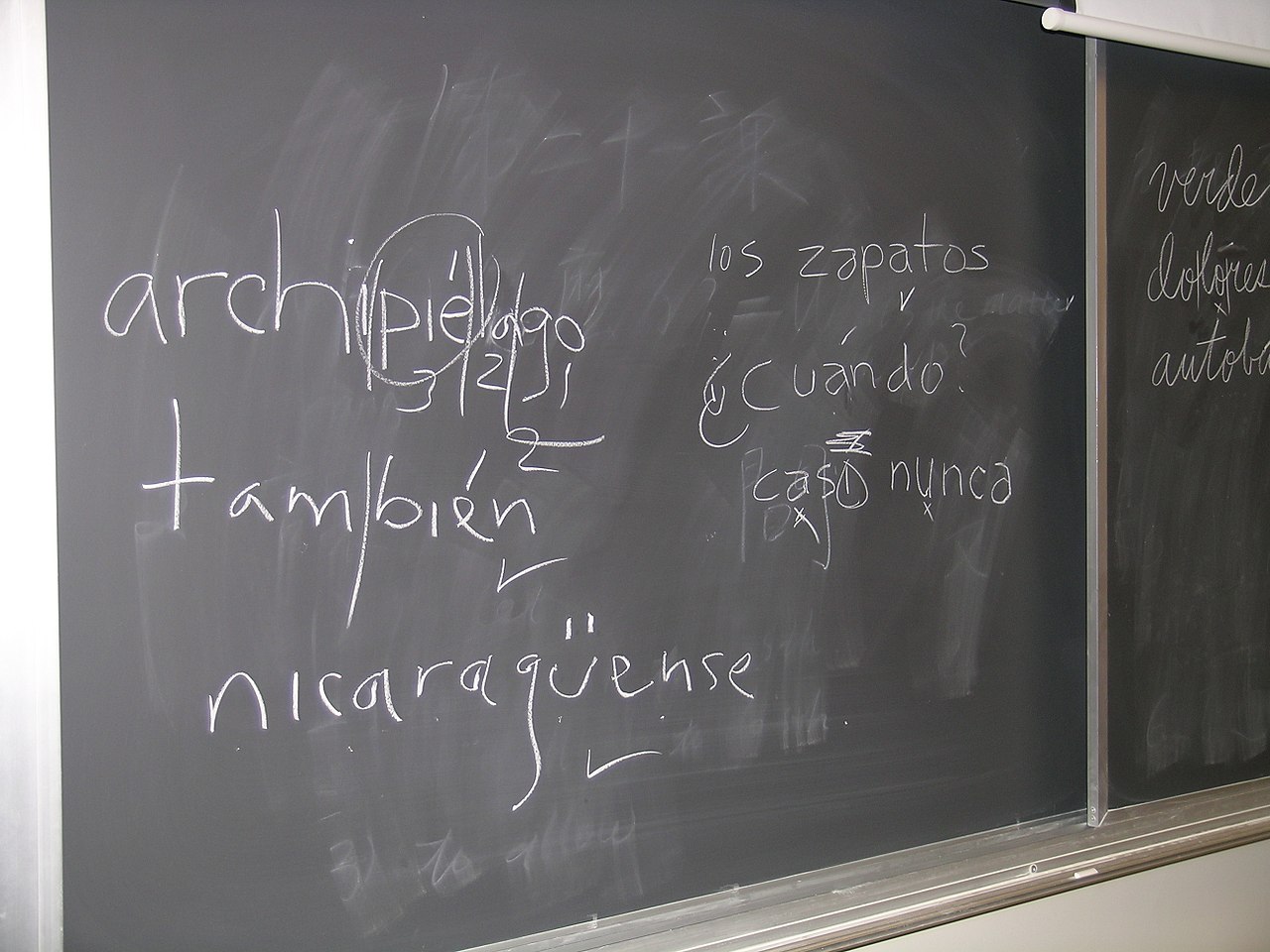
The Spanish alphabet, commonly called the abecedario, is the set of letters used to write modern Spanish. It is based on the Latin alphabet and contains 27 letters: the 26 letters of the ISO Basic Latin alphabet plus the letter ñ (eñe). Spanish orthography uses a small set of diacritical marks: the acute accent (á, é, í, ó, ú) to indicate irregular stress and to distinguish some homographs, the tilde on ñ which marks a separate phoneme, and the diaeresis (ü) in limited contexts to show that u is pronounced in gue/ gui sequences (as in vergüenza). Spanish spelling is relatively phonemic: many letters correspond consistently to particular sounds, though regional pronunciation varies.
Image gallery
9 Images


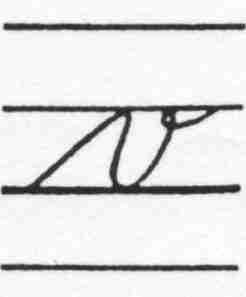
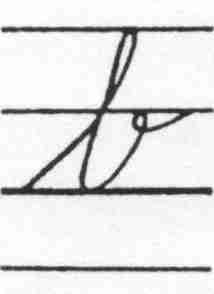
Letters and names
The standard sequence is: a, b, c, d, e, f, g, h, i, j, k, l, m, n, ñ, o, p, q, r, s, t, u, v, w, x, y, z. Each letter has a conventional spoken name used in spelling aloud. The letter ñ represents a palatal nasal, similar to the sound written "ny" in some English transcriptions (as in "canyon"). The letters k and w occur mainly in loanwords and names.
History and collation
Spanish letters descend from the Latin alphabet; historical developments produced some conventions now unique to Spanish, most notably the development of ñ from a medieval shorthand for a doubled n. In the past, digraphs such as ch and ll were traditionally treated as separate alphabet letters for purposes of dictionary ordering, but modern standard practice treats them as two-letter sequences. The relative ordering and treatment of characters is rooted in conventions derived from the Latin alphabet and harmonized with broader encoding standards like the ISO Basic Latin set.
Orthography and diacritics
Accent marks in Spanish serve mainly two purposes: to indicate stress when it does not follow normal stress rules, and to distinguish minimal pairs (for example sí "yes" vs si "if"). Written words retain their accents when capitalized; uppercase letters should display the same diacritics as lowercase. The diaeresis on ü is restricted to specific etymological and phonological contexts and does not create a separate letter. Diacritics are not considered separate alphabetic characters in modern collation.
Pronunciation and regional variation
Although spelling is fairly consistent, pronunciation varies across the Spanish-speaking world. Phenomena such as seseo and ceceo affect realization of c (before e/i) and z, while yeísmo leads many speakers to merge ll and y. Other regional features include aspiration or loss of final s, differences in the pronunciation of j and g before e/i, and variable realization of r sounds. For general information about regional pronunciation patterns see pronunciation and for accentuation guidelines see accent marks.
Practical uses and standards
The alphabet underpins literacy, dictionary ordering, indexing, and data processing in Spanish. It is taught from early education and used in official documents, signage and computing. Modern encodings and fonts support the full set of Spanish letters and diacritics; for broader linguistic and cultural context see Spanish language. Keyboard layouts for Spanish include a dedicated key for ñ and have variants across countries, reflecting practical needs for typing the language.
- Distinctive letter: ñ (eñe) represents a single phoneme, different from n.
- Diacritics: acute accent for stress and disambiguation; diaeresis on ü; tilde exclusively marks ñ.
- Digraphs such as ch and ll are written as two characters in modern collation, though historically treated as single entries in some alphabets.
- Capitalization preserves accents: names and titles keep diacritics when uppercased.
For concise technical references and normative recommendations consult standard resources on the alphabet and orthography, which place Spanish in the context of the broader Latin alphabet tradition and the international sets represented by ISO Basic Latin. Additional practical guidance for learners and typographers is available in introductory materials and style guides that discuss spelling, stress rules and dialectal pronunciation.
Questions and answers
Q: How many letters are in the Spanish alphabet?
A: The Spanish alphabet has 27 letters.
Q: What is the name of the letter that is unique to the Spanish alphabet?
A: The letter is called eñe and is pronounced EN-yay.
Q: Is the Spanish alphabet the same as the ISO Basic Latin Alphabet?
A: Yes, the Spanish alphabet shares the same letters as the ISO Basic Latin Alphabet.
Q: Does the Spanish alphabet use accent marks?
A: Yes, the Spanish alphabet uses accent marks to mark stressed syllables.
Q: Is the Spanish alphabet phonemic?
A: Yes, the Spanish alphabet is fairly phonemic, meaning words are usually spelled the way they sound.
Q: Are there different accents in Spanish?
A: Yes, different accents exist in Spanish like in any living language.
Q: Do Spanish pronunciation and spelling usually correspond well to each other?
A: Yes, pronunciation and spelling of Spanish usually fit well with each other.
Related articles
Author
AlegsaOnline.com Spanish alphabet (abecedario) Leandro Alegsa
URL: https://en.alegsaonline.com/art/92473