
Spaghetti‑tree hoax: BBC April Fools' broadcast (1957)
The BBC's 1957 April Fools' Panorama report showed Swiss 'spaghetti harvesters' and fooled millions. It is an early, famous television hoax and a reference point in discussions of media trust.
Overview
On 1 April 1957 the BBC broadcast a short film on the news magazine programme Panorama that presented a scene of Swiss farmers harvesting long strands of pasta from a tree. The item, now widely referred to as the spaghetti‑tree hoax, was produced and presented in the style of a straight news report and shown by the public broadcaster, the BBC, during the April Fools' schedule. The filmed sequence depicted a family in the canton of Ticino in Switzerland gathering what appeared to be spaghetti from tree branches and laying it out to dry.
Image gallery
1 Image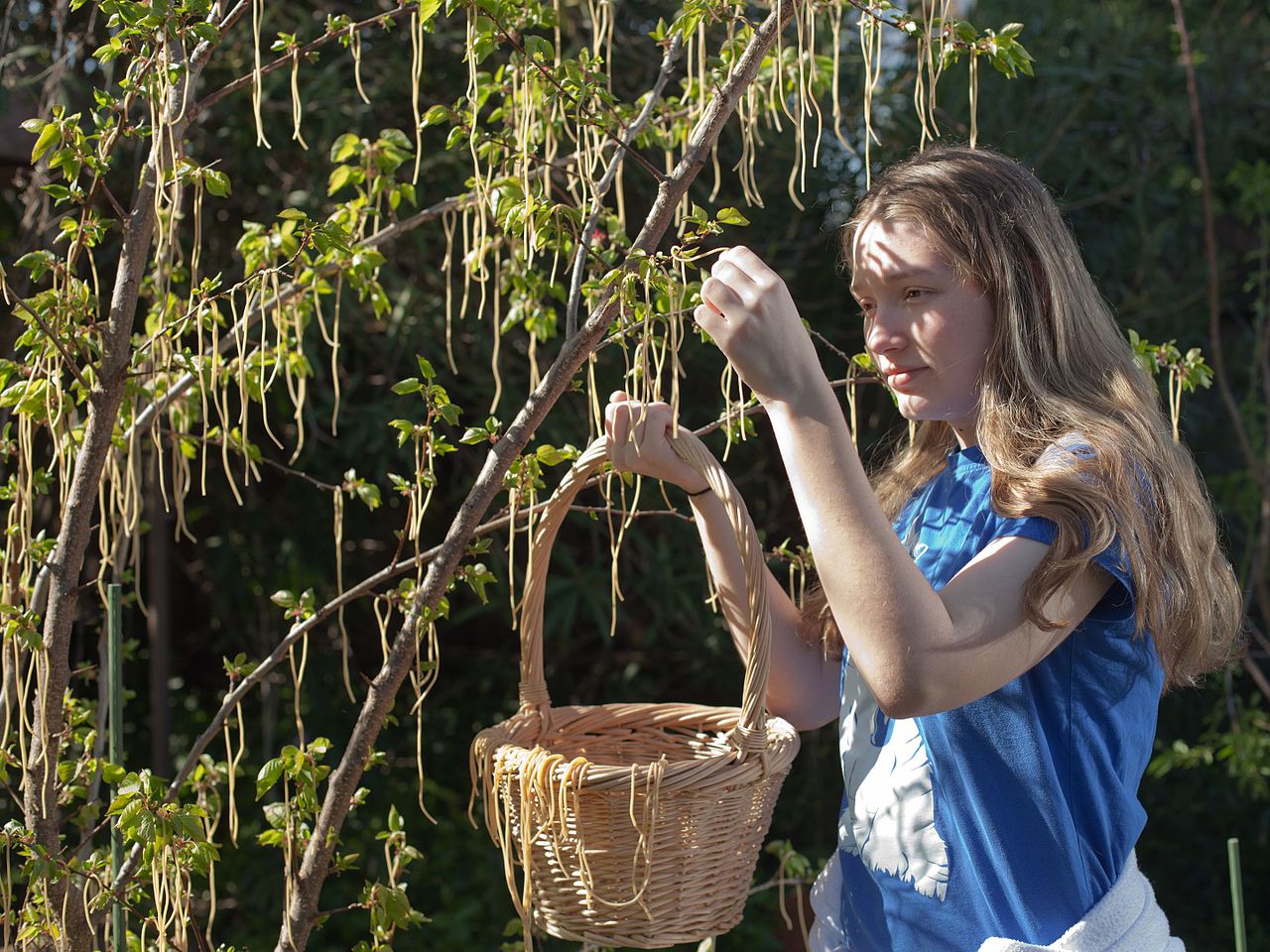
Context and why it convinced viewers
In Britain in the 1950s dried spaghetti and Italian cuisine were much less familiar than today; the dish was sometimes seen as novel or a delicacy in the United Kingdom. Television, introduced and narrated by authoritative broadcasters, was treated by many viewers as a reliable source of information. The combination of plausible visuals, a calm factual presentation and the reputation of the programme contributed to the item being accepted by a large portion of the audience.
Production and broadcast
The idea for the sequence is credited to cameraman Charles de Jaeger and the short film received a modest production budget (reportedly about £100). It was introduced by the respected broadcaster Richard Dimbleby, whose involvement lent further credibility to the piece. Contemporary reports estimate that around eight million people watched the broadcast when it first aired, making it one of the earliest widely seen television hoaxes.
Public reaction
The day after the broadcast the BBC received a large number of enquiries from viewers asking whether spaghetti really grew on trees and how they might cultivate it. Anecdotal accounts record that some callers were told, in a jocular manner, to try placing strands of spaghetti in a tin of tomato sauce and "hope for the best." The influx of calls and the public response illustrated how persuasive television could be and how cultural unfamiliarity with a subject could allow a fabricated report to appear credible.
Legacy and significance
The spaghetti‑tree item endures as an influential example when discussing media literacy, the ethics of April Fools' jokes by news organisations, and the development of television as a trusted medium. In later decades the broadcast has been described in retrospectives as among the most famous hoaxes aired by a reputable news organisation; for example, outlets such as CNN have highlighted its notoriety. The episode is often cited in studies of how authority, presentation and audience expectations affect the reception of broadcast material.
Key facts
- Air date: 1 April 1957 on Panorama.
- Setting shown: Ticino, Switzerland (Swiss canton).
- Principal contributors: idea credited to Charles de Jaeger; introduced by Richard Dimbleby (news report style).
- Reported viewers: around eight million at first transmission.
- Reported budget: approximately £100 to produce the sequence.
- Later commentary: frequently referenced in discussions of April Fools' Day media items and trust in broadcasting by outlets such as CNN.
For concise further reading and archival references see broadcaster records and retrospective accounts on the programme history pages and media studies summaries (Ticino filming notes, hoax overview, BBC history). Additional context about food culture in the period is available in general surveys of British culinary history (UK culinary context) and of early television practice (news presentation methods, location background). Finally, broader commentary on the episode's place in media literacy can be found in journal articles and retrospectives (April Fools' media ethics, Swiss setting and reception).
Questions and answers
Q: What is the spaghetti-tree hoax?
A: The spaghetti-tree hoax was a hoax news report made by the BBC on April Fools' Day in 1957, which showed a family in Ticino, Switzerland picking spaghetti from a "spaghetti tree".
Q: How many people watched the hoax on April Fools' Day in 1957?
A: About eight million people watched the hoax on April Fools' Day in 1957.
Q: Why did people call the BBC the next day after the hoax was aired on television?
A: People called the BBC the next day after the hoax was aired on television to see if spaghetti trees were real and how to grow them.
Q: What did the BBC tell callers who asked how to grow spaghetti trees?
A: The BBC told callers to put some spaghetti in a can of tomato sauce and "hope for the best".
Q: Who made the hoax?
A: A reporter named Charles de Jaeger made the hoax.
Q: Who reported the hoax?
A: The hoax was reported by a trusted reporter named Richard Dimbleby.
Q: According to CNN, what is the significance of the spaghetti-tree hoax?
A: According to CNN, the spaghetti-tree hoax is the biggest hoax ever made by a trusted news organisation and is also one of the first hoaxes on television.
Related articles
Author
AlegsaOnline.com Spaghetti‑tree hoax: BBC April Fools' broadcast (1957) Leandro Alegsa
URL: https://en.alegsaonline.com/art/92446
Sources
- news.bbc.co.uk : "1957: BBC fools the nation"
- telegraph.co.uk : "Greatest April fool stories - from spaghetti trees to Alabama changing Pi"
- cnn.com : "A nod and a link: April Fools' Day pranks abound in the news"