
Southam: Warwickshire market town with medieval roots and modern change
Southam, a historic market town in Warwickshire, England, known for medieval buildings, a Civil War skirmish, drovers' routes, later growth without railways, and recent development and conservation debates.
Southam is a small historic town in the county of Warwickshire in England. Long established as a town since the medieval period, it is sometimes still referred to as a village because of its compact size and rural character. Located on a network of old coaching and drovers' routes, Southam historically served passing trade and local markets rather than developing into a major industrial centre.
Image gallery
9 Images



History and early features
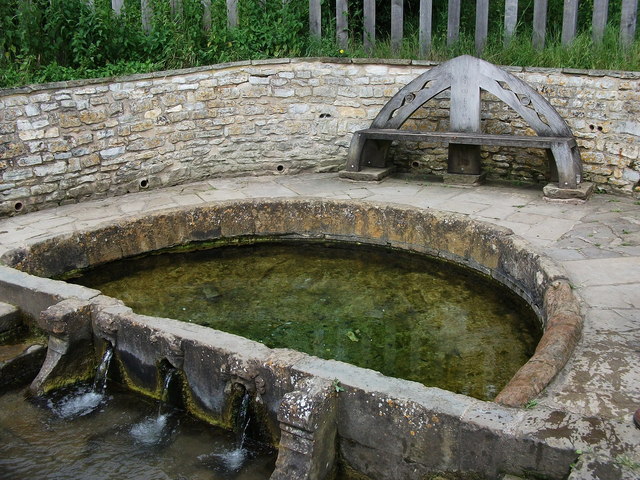
The town has roots that stretch back to the Middle Ages. Its parish church dates from the 13th century and retains significant medieval stonework despite Victorian restoration. Close to the centre stands an ancient feature known locally as the "Holy Well": a historic stone wall and spring that form part of the town’s vernacular landscape and traditional stories. The Manor House in the centre is another long-standing landmark, adapted through the centuries to new uses.
Civil War and notable events
Southam played a minor but notable role in the opening movements of the English Civil War in 1642. Small groups of soldiers from opposing sides came into contact at or near the town, producing a skirmish in which fatalities occurred; larger histories usually identify the Battle of Edge Hill as the first pitched battle of the conflict. Accounts from the period also record royal movements through the area and local penalties imposed by the king, while later Parliamentary activity included visits by leading figures of the time. Tradition records that Oliver Cromwell stayed in the town during the campaign; such visits form part of the local historical narrative, often described cautiously in local histories.
Transport, trade and development
In the pre-industrial and early modern periods Southam prospered as a stopping point for horse-drawn coaches and drovers moving livestock to markets in larger towns and London. This coaching and droving traffic supported an unusually large number of inns and public houses for a settlement of its size. Notably, Southam did not gain a canal or a railway line during the Industrial Revolution; the absence of these transport links limited rapid industrial expansion and kept the town smaller than neighbouring places that benefited from canal and rail networks.
- Historic role: market and staging post for drovers and coaches.
- Transport omission: no canal or railway in the 18th–19th centuries.
- Modern growth: substantial housing added in the late 20th and early 21st centuries, with population rising from roughly 2,000 in 1950 to over 8,000 by 2010.
Architecture, discoveries and economy
Architectural highlights include the medieval parish church and the centrally located Manor House. During routine maintenance of one central building in 2008, craftsmen uncovered fine historic wood carvings beneath layers of plaster; the decorative motifs, including hearts and arrows, were assessed as several centuries old and restored to public view with funding from the building owner and local conservation bodies (details of the discovery are recorded in local reports). Modern Southam also supports small industrial estates and light industry. The town hosts important local employers, among them companies from the creative and digital sectors such as the well-known computer games firm based nearby.
Community issues and future prospects
Like many small towns, Southam faces a set of contemporary debates about growth, services and character. Proposals for larger retail development—including reported interest from major supermarket chains—have prompted mixed responses: supporters point to increased convenience, lower prices and more jobs, while opponents warn that a supermarket could damage the high street and erode the traditional mix of independent shops. Local planning decisions continue to balance economic needs with conservation of historic fabric and community identity.
Why Southam matters
Southam exemplifies a category of English market towns that remained small through the 19th century because they were bypassed by canal and rail, yet retained long urban histories and rich local traditions. Its medieval buildings, Civil War associations and continuing local debates about development make it representative of the tensions between heritage and change that affect many rural towns across the country.
Questions and answers
Q: What is Southam?
A: Southam is a small town in Warwickshire, England. It has been a town since medieval times.
Q: What is the Holy Well?
A: The Holy Well is an ancient stone wall located in Southam.
Q: Where was the first battle of the English Civil War fought?
A: The first battle of the English Civil War was fought in Southam. In August 1642, small groups of soldiers from opposing sides accidentally met and some were killed.
Q: Who rode through Southam and fined its people?
A: King Charles I rode through Southam and fined its people because they did not ring the church bells for him.
Q: What happened to Oliver Cromwell when he visited Southam?
A: Oliver Cromwell slept in the Manor House (now a pharmacy) when he visited Southam in the 1600s.
Q: How has the population of Southam changed over time?
A: The population of Southam increased from 2000 people in 1950 to 8000+ people by 2010 due to new housing developments being built around that time period.
Q: What kind of carvings were discovered under plaster at the Manor House (now a pharmacy)?
A: Fine wood carvings depicting hearts and arrows were discovered under plaster at the Manor House (now a pharmacy). These carvings are believed to be at least 300 years old.
Related articles
Author
AlegsaOnline.com Southam: Warwickshire market town with medieval roots and modern change Leandro Alegsa
URL: https://en.alegsaonline.com/art/92246