
South Region, Brazil
One of Brazil's five official regions, comprising Paraná, Santa Catarina and Rio Grande do Sul; noted for temperate climate, varied landscapes, European immigration and a diversified economy.
Overview
The South Region of Brazil (Portuguese: Região Sul do Brasil) is one of the country's five official geographic regions defined by the Brazilian Institute of Geography and Statistics (IBGE). It encompasses three federative states and is recognized for its distinct climate, cultural influences and economic profile within the national context of the five official regions.
Image gallery
10 Images



Constituent states and major features
The South comprises three states, each with different landscapes and urban centers:
- Paraná — known for river valleys and urban industrial hubs;
- Santa Catarina — noted for scenic Atlantic beaches and coastal tourism;
- Rio Grande do Sul — characterized by grasslands (pampas) and strong ranching traditions.
Geography and climate
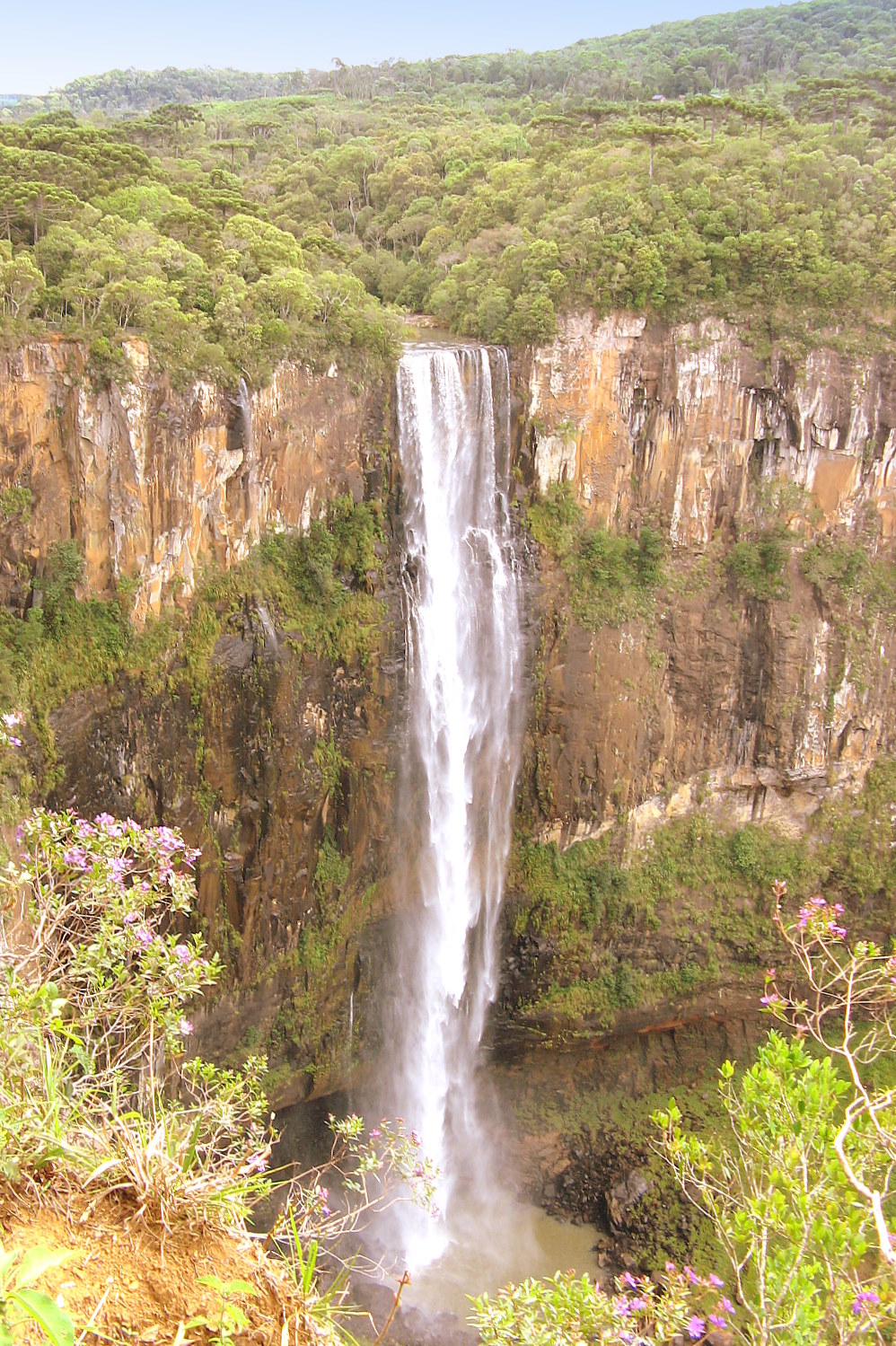
Geographically the region stretches from Atlantic coastal plains to inland plateaus and temperate highlands. Vegetation ranges from remnants of the Atlantic Forest to Araucaria forests and mixed grasslands. Compared with most of tropical Brazil, the South has a milder, more temperate climate with clearer seasonality and, in the higher areas, occasional frost and snow.
Economy, population and culture
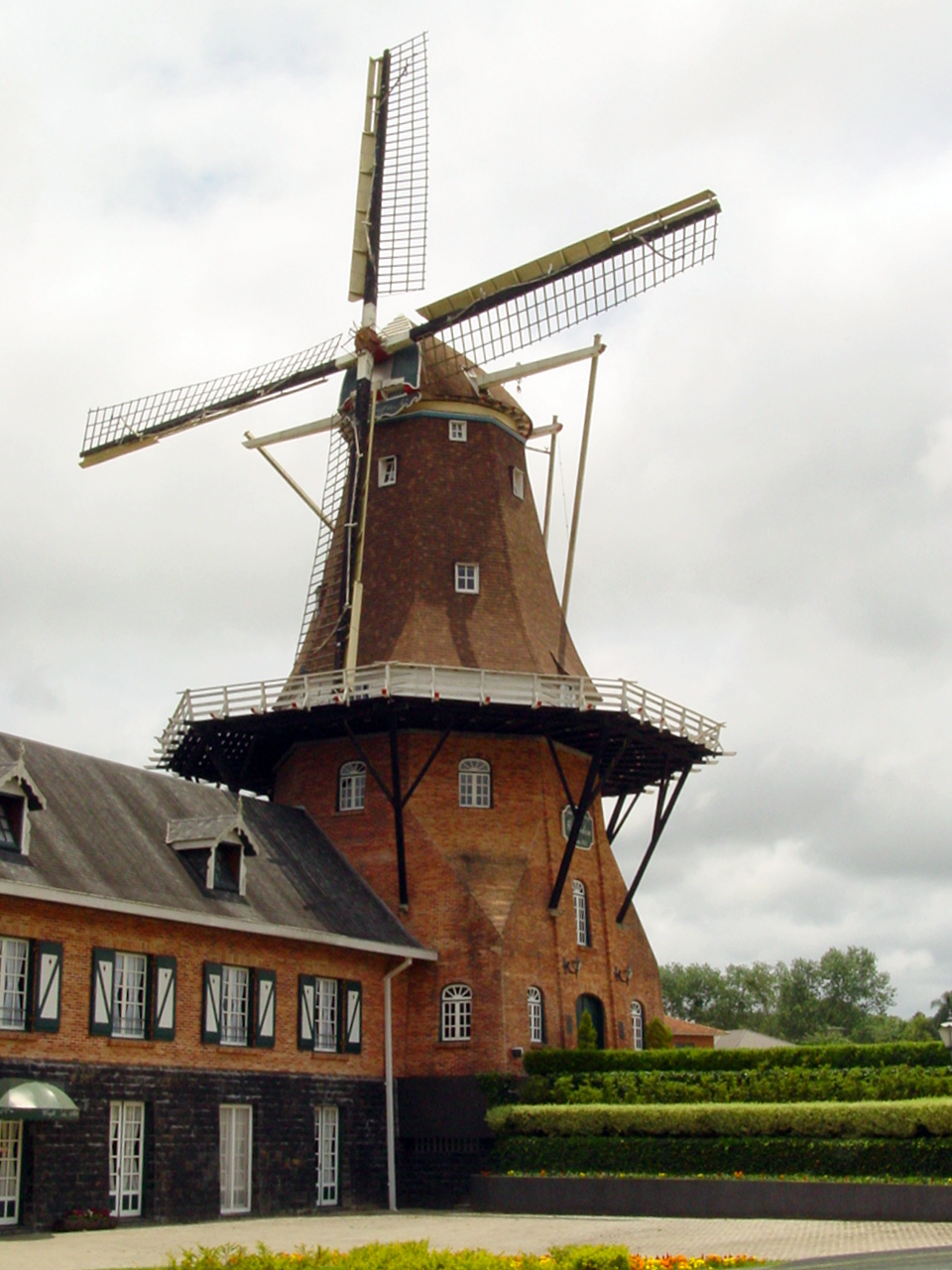
The South has a diversified economy where agriculture, livestock, industry and services all play important roles. Staple agricultural activities include cereal crops, tobacco, dairy and cattle raising, while manufacturing sectors range from automotive to textiles. Urban centers combine modern infrastructure with cultural traits shaped by substantial European immigration—especially German, Italian and Polish communities—which influenced local languages, festivals and cuisine.
History and identity
Indigenous populations inhabited the area long before European colonization. Over time the South developed distinct social and cultural practices, such as the gaucho tradition and regional culinary customs like churrasco (barbecue) and mate drinking. Its historical ties to borderlands with neighboring countries and waves of immigration have produced a regional identity often contrasted with the tropical north and the populous southeast.
Importance and attractions
Today the South is noted for its natural attractions, including coastal resorts, wine-producing valleys, and conservation areas, as well as for hosting technological and educational centers. Its combination of temperate landscapes, cultural diversity and economic variety makes it an important and recognizable part of Brazil within national geography as outlined by the IBGE.
Questions and answers
Q: What is the South Region of Brazil?
A: The South Region of Brazil is one of five geographical regions in Brazil that was defined by the Brazilian Institute of Geography and Statistics in 1969.
Q: What states are included in the South Region?
A: The states of Paraná, Santa Catarina and Rio Grande do Sul are all included in the South Region.
Q: When was the South Region established?
A: The South Region was established by the Brazilian Institute of Geography and Statistics in 1969.
Q: How many states make up the South Region?
A: Three states make up the South Region - Paraná, Santa Catarina and Rio Grande do Sul.
Q: Who defines geographic regions in Brazil?
A: The Brazilian Institute of Geography and Statistics defines geographic regions in Brazil.
Q: What other regions are there besides the South region?
A: There are four other geographical regions besides the South region - North, Northeast, Southeast and Central-West.
Related articles
Author
AlegsaOnline.com South Region, Brazil Leandro Alegsa
URL: https://en.alegsaonline.com/art/92212
Sources
- turismo.gov.br : "Cresce o número de turistas estrangeiros em Foz do Iguaçu"
- peakbagger.com : "Brazil State High Points"
- ibge.gov.br : "Área Territorial Brasileira"
- books.google.com : "The seven wonders of the modern world"
- www6.univali.br : "Planejamento Urbano, Lazer e Turismo: Os Parques Públicos em Curitiba – PR"
- paranashop.com.br : "Curitiba é eleita como Melhor Destino Cultural e Melhor Custo-Benefício para Turismo da Região Sul"
- viajeaqui.abril.com.br : "Melhores do Brasil"