
South Bohemian Region (Jihočeský kraj)
A concise overview of the South Bohemian Region of the Czech Republic: geography, rivers and ponds, history, economy, protected areas, and administrative districts.
The South Bohemian Region (Czech: Jihočeský kraj) is an administrative region in the southern part of the Czech Republic. Its official seat and largest city is České Budějovice, often referred to as the regional capital; the city is also noted here as the historic centre. The region combines lowland river basins, rolling uplands and mountain ranges, and is known for a strong local identity tied to rural landscapes and historic towns.
Image gallery
10 Images

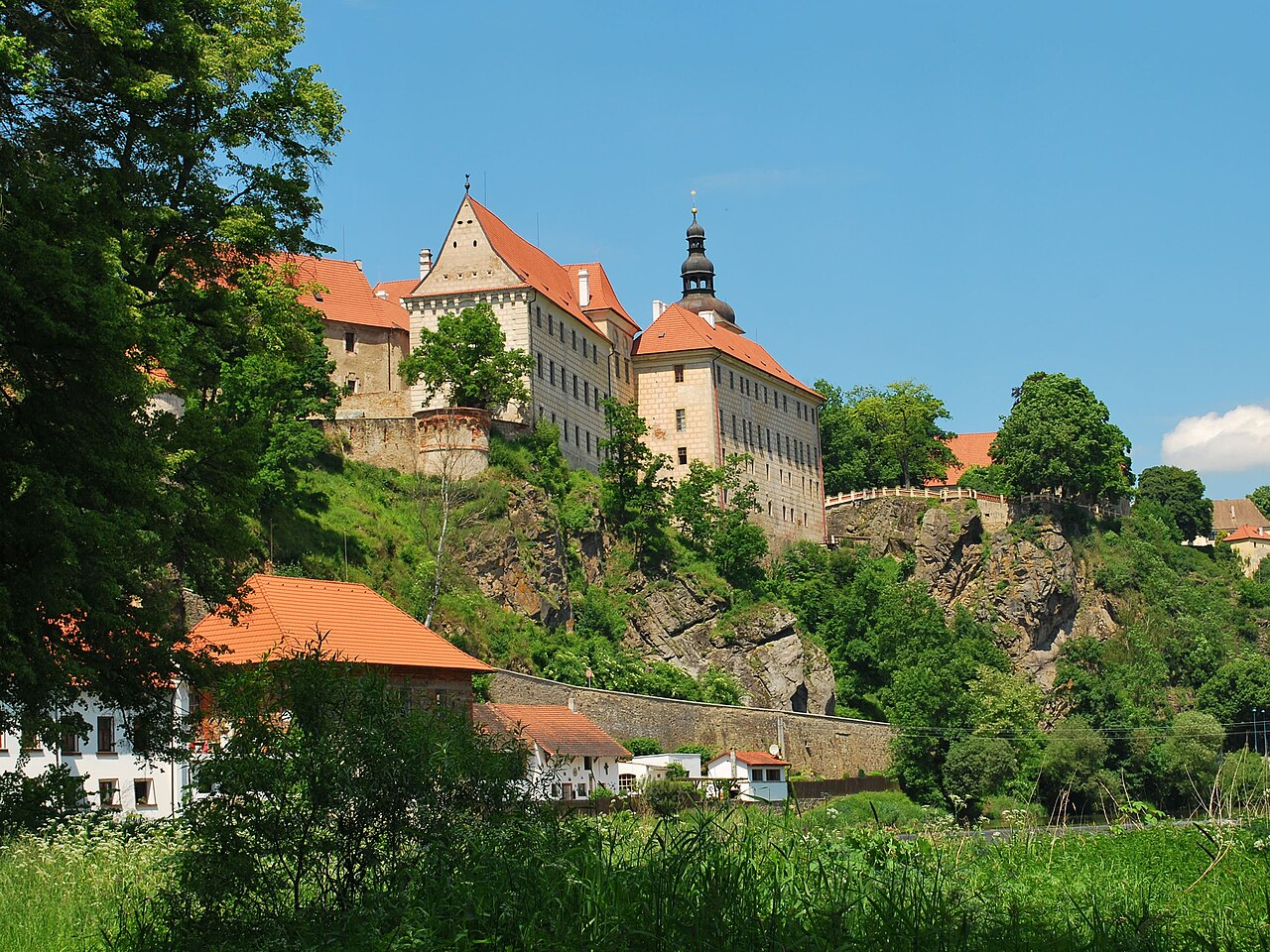


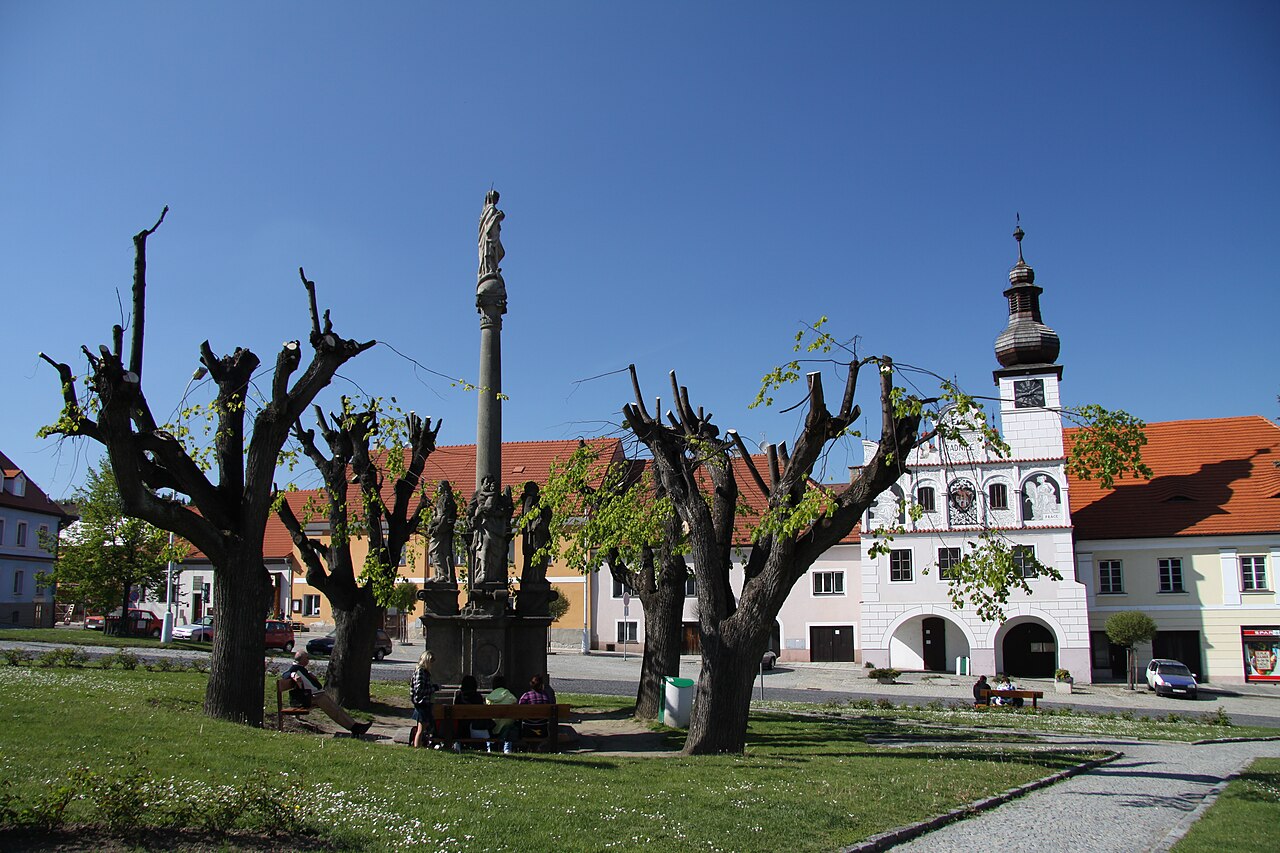


Geography and landscape
South Bohemia occupies a largely forested and agricultural area in the drainage basin of the Vltava River. In the southwest the territory rises into the Bohemian Forest, a wooded highland known locally as Šumava — here the terrain becomes mountainous and includes substantial protected land. The region's mosaic of valleys, wetlands and hills creates a varied natural environment that supports forestry, meadowland and managed wetlands.
Water, ponds and protected areas
A defining characteristic of South Bohemia is its dense network of rivers and artificial ponds. Major waterways include the Vltava and tributaries such as the Lužnice, Otava, Malše and Nežárka. Centuries of pond-building for fish farming produced thousands of water bodies; Rožmberk Pond is the largest and one of the best known. Large natural and semi-natural areas, including much of Šumava National Park and adjacent protected zones, preserve biodiversity and attract nature tourism.
History and cultural heritage
The region's towns and countryside bear evidence of medieval settlement, monastic lands and noble estates. Fortified towns, Renaissance and Baroque architecture, and numerous castles and chateaux reflect its long history. Český Krumlov, with a well-preserved historic centre and castle complex, is an internationally recognised heritage site and a focal point for cultural tourism. Traditional crafts, folklore and rural building styles remain visible in many villages.
Economy and uses
Economic activity combines agriculture, fish farming (notably carp), forestry, light industry, brewing and tourism. The region has a reputation for quality brewing centered historically on České Budějovice, and for food production linked to its agricultural base. Tourism — driven by historic towns, national parks and recreational lakes and ponds — is an important seasonal employer.
Administration and notable places
South Bohemia is divided into seven districts, which group municipalities for local administration. Major towns and destinations include historical centres, spa towns and park gateways:
- Districts: České Budějovice, Český Krumlov, Jindřichův Hradec, Písek, Prachatice, Strakonice, Tábor
- Notable places: Český Krumlov, Třeboň (known for ponds and spa tradition), České Budějovice and gateways to Šumava
Visitors and students of regional geography will find South Bohemia a compact example of Central European cultural landscapes where water management, protected nature, and historic towns combine to shape modern life. Further official and visitor information can be found through regional portals and local authorities linked from this overview (Bohemian Forest information is one regional highlight).
Questions and answers
Q: What is South Bohemia?
A: South Bohemia is an administrative region in the Czech Republic with České Budějovice as its capital city.
Q: Where is the Bohemian Forest located?
A: The Bohemian Forest is located in South Bohemia's southwest.
Q: What is the drainage basin of the Vltava river?
A: South Bohemia is located in the drainage basin of the Vltava river.
Q: What are some other significant rivers located in South Bohemia?
A: Other significant rivers in South Bohemia include Malše, Lužnice, Otava, Nežárka and Lomnice.
Q: What is famous in South Bohemia?
A: South Bohemia is famous for its countless ponds, with Rožmberk Pond being the largest one.
Q: What is located in South Bohemia's Šumava National Park?
A: Much of the Šumava National Park is located in South Bohemia.
Q: How is South Bohemia divided?
A: South Bohemia is divided into 7 districts.
Related articles
Author
AlegsaOnline.com South Bohemian Region (Jihočeský kraj) Leandro Alegsa
URL: https://en.alegsaonline.com/art/92125
Sources
- czso.cz : "Population of territorial units of the Czech republic"