
Soundcheck: purpose, process, and practical considerations for live audio
A soundcheck prepares performers and engineers for a live event by adjusting levels, tone, and monitoring. Covers procedures, equipment, roles, history, challenges and tips for better live sound.
Overview
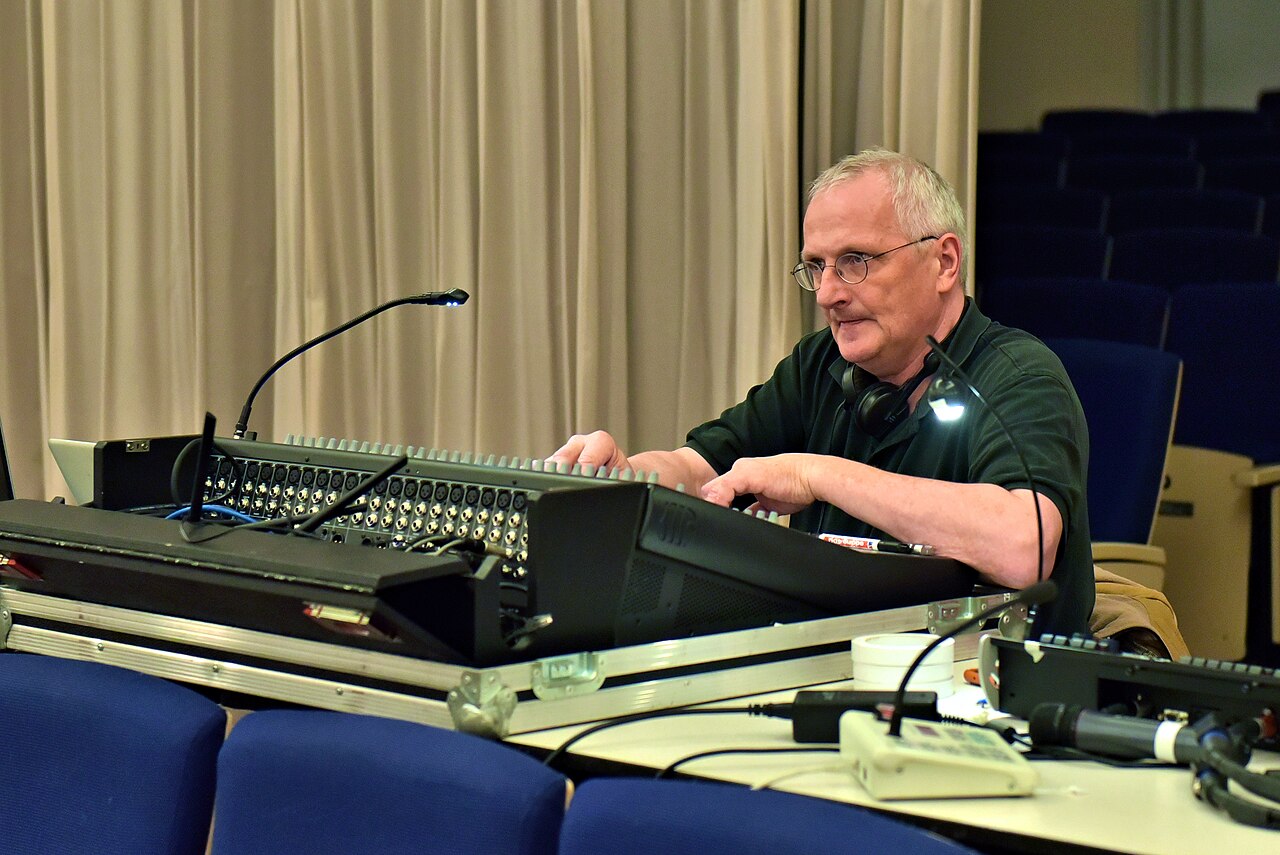
A soundcheck is the pre-show process by which performers and the audio crew test and adjust the sound system so music and voice will be clear, balanced and free of problems when a venue fills with an audience. Typically held in the hours before a concert or other live presentation, it involves running through part of a song or a short sequence of cues to set microphone gains, speaker levels, monitor mixes and equalization. Although many aspects are technical, experienced engineers and musicians rely on judgement and taste as much as on meters and measurements.
Image gallery
3 Images

Purpose and goals
The main objectives of a soundcheck are to ensure consistent level and tonal balance across the venue, verify that stage monitors or in-ear systems provide appropriate mixes for performers, eliminate unwanted noise or feedback, and confirm that any playback devices or effects are functioning. A good soundcheck reduces the risk of problems during performance and gives artists confidence that they will hear themselves and each other properly.
Typical procedure
Procedures vary by scale and genre, but common steps include a linecheck (confirming each input is present and routed correctly), setting microphone preamp gains, adjusting front-of-house (FOH) and monitor mixes, checking main and delay speakers for coverage, and listening critically while making equalization and compression adjustments. Crews often run through a short song or several instrument/vocal checks rather than the full show. Many performers also use soundcheck time as a limited rehearsal to try out changes to arrangements or new songs.
Equipment and roles
Key equipment includes microphones, DI boxes, mixing consoles (analog or digital), power amplifiers, loudspeakers, monitor wedges or in-ear monitor systems, and outboard processors. Roles commonly involved are the front-of-house engineer who shapes what the audience hears, the monitor engineer who provides mixes for performers on stage, stage techs who handle instrument setup and cabling, and sometimes a production manager who coordinates timing. Effective communication between performers and engineers is essential.
History and development
As public address and amplification technology evolved in the 20th century, soundchecks became standard practice for amplified music and theater. Advances such as multi-channel mixing desks, digital signal processing and in-ear monitoring have increased the precision possible during checks, and modern venues may supplement aural listening with measurements using test tones and analysis software. Nevertheless, venues change acoustically when filled with people, so engineers incorporate experience and on-the-fly adjustments into their workflow.
Challenges and practical tips
- Acoustic change: an empty room sounds different than a full house; anticipate shifts and leave headroom for audience absorption.
- Time limits: many events have strict schedules—prioritize critical elements (vocals, drums, main guitar) during short checks.
- Feedback control: identify problematic frequencies and use EQ, proper microphone technique, and monitor placement to reduce feedback risk.
- Communication: use clear cues and a simple plan so performers and technicians know what will be tested and when.
Understanding the distinctions between a linecheck, a soundcheck and a full technical rehearsal helps set expectations: a linecheck confirms signal flow, a soundcheck balances the live mix, and a tech rehearsal covers staging, lighting and full performance flow. For many touring acts, a successful soundcheck improves both the artistic result and the audience experience.
For further reading on venue design and room behavior, see resources about acoustics, and for practical stage routines consult guides that cover staging, safety and microphone technique.
Questions and answers
Q: What is a soundcheck?
A: A soundcheck is an activity that takes place a couple of hours before a concert where the performer(s) and the sound crew run through a short song to make sure that the sound in the venue is clear and at the right volume and tonal frequencies.
Q: Why are soundchecks important for heavily-amplified PA systems?
A: Soundchecks are especially important for popular and other musical genres that use heavily-amplified PA systems because having correct sound is very important to the success of such events.
Q: Is soundcheck a science or an art?
A: A soundcheck remains part art and not all science, however, because the acoustics of a venue often change somewhat once it is filled with an audience.
Q: What do artists often use soundchecks for?
A: Artists who change their set list during the course of a concert tour often use soundchecks as a rehearsal opportunity to try out new material or revive old material, before possibly introducing such material into the concert properly.
Q: When does a soundcheck usually take place?
A: A soundcheck usually takes place a couple of hours before a concert.
Q: What is the purpose of a soundcheck?
A: The purpose of a soundcheck is to ensure that the sound in the venue is clear and at the right volume and tonal frequencies.
Q: Which events require correct sound for success?
A: Correct sound is very important for the success of popular and other musical genres that use heavily-amplified PA systems.
Related articles
Author
AlegsaOnline.com Soundcheck: purpose, process, and practical considerations for live audio Leandro Alegsa
URL: https://en.alegsaonline.com/art/92060