
Sonic Spinball
Sonic Spinball is a 1993 pinball-style action game from Sega Technical Institute that casts Sonic as a living pinball inside Doctor Robotnik’s machines; it received mixed reviews and has since become a noted Sonic spinoff.
Sonic Spinball is a 1993 action game that applies pinball mechanics to the Sonic the Hedgehog universe. Rather than a traditional side-scrolling platformer, the player controls Sonic as a rolling ball inside vast, trap-filled machines built by Doctor Robotnik. The game blends flippers, bumpers and ramps with level-based objectives such as freeing captured inhabitants and disabling Robotnik’s devices.
Image gallery
4 Images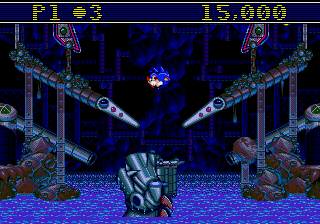


Gameplay and structure
The central conceit places Sonic in enclosed arenas that behave like pinball tables. Movement emphasizes momentum and ricochets: Sonic bounces off bumpers, slides down chutes and is launched by springs and flippers. While the core interaction resembles pinball, each area includes exploration elements, switches, hazards and boss encounters that require reaching specific targets or activating mechanisms to progress. Players typically use a directional input and button to jump or interact with flippers; timed hits and angle control are important to reach objectives.
Notable features
- Hybrid play: pinball physics combined with level goals and boss fights.
- Distinct arenas: each machine contains rooms with different hazards and puzzles.
- Arcade feel: emphasis on reflexes, routing and the physics of momentum.
- Visuals and audio: designed to capture Sonic’s look and energy within sprite-based constraints.
Development and release
Sonic Spinball was developed by the American team at Sega Technical Institute as a rapid-response project. When the mainline Sonic titles were not ready for the 1993 holiday season, Sega commissioned a smaller Sonic-themed game that could ship quickly on the Genesis/Mega Drive. The project had a compressed schedule, with much of the production completed in a matter of weeks to months. Sonic Spinball launched for the Sega Genesis in late 1993 and was later ported to handheld and 8-bit Sega systems the following year.
Reception and legacy
Critical reaction to Sonic Spinball was mixed. Reviewers and players often praised the inventive concept, energetic presentation and the way Sonic’s speed and momentum translated into pinball mechanics. Common criticisms targeted imprecise controls, occasional camera or collision frustrations, and repetitive sections. Despite those concerns, the game is remembered as a distinctive Sonic spinoff and has been included in retrospective collections and discussions about experimental franchise entries. A later pinball-themed Sonic title, Sonic Pinball Party, appeared in 2003, and the Spinball motif has occasionally been used in merchandising and themed attractions.
Related facts and distinctions
Sonic Spinball differs from mainstream Sonic platformers by limiting open running space and focusing on confined, table-like arenas. It demonstrates a period in the early 1990s when established franchises were often adapted into genre experiments to meet market timing. The game’s fast development cycle is frequently cited in histories of Sega’s production practices during that era.
Further reading
- Pinball (gameplay concept)
- Sega Technical Institute
- Sega (publisher)
- Sonic the Hedgehog series overview
- Sonic the Hedgehog (character)
- Doctor Robotnik / Dr. Eggman (antagonist)
- Sonic the Hedgehog 3
- Sonic & Knuckles
- Sega Genesis / Mega Drive
- Game Gear version
- Master System version
- Alton Towers (themed attractions)
- United Kingdom (context for theme park attraction)
Questions and answers
Q: What is Sonic the Hedgehog Spinball?
A: Sonic the Hedgehog Spinball is a 1993 pinball video game created by Sega Technical Institute and published by Sega. It is a spinoff of the Sonic the Hedgehog series.
Q: What is the plot of Sonic Spinball?
A: The plot of Sonic Spinball involves players controlling Sonic the Hedgehog, who must stop Doctor Robotnik from enslaving the population in a big pinball-like machine.
Q: Who created Sonic Spinball?
A: Sonic Spinball was created by the American staff of Sega Technical Institute as Japanese staff were busy with making other games at that time.
Q: When was it released?
A: It was released for the Sega Genesis in November 1993 and for Game Gear and Master System in 1994.
Q: How did people react to it?
A: People generally liked its idea and graphics, but not so much its controls.
Q: Was there another pinball game related to this one?
A: Yes, a second pinball game called "Sonic Pinball Party" was created in 2003.
Q: What else happened related to this game?
A: A Sonic Spinball spinning rollercoaster was built in Alton Towers, a British theme park, in 2010.
Related articles
Author
AlegsaOnline.com Sonic Spinball Leandro Alegsa
URL: https://en.alegsaonline.com/art/91862
Sources
- uk.ign.com : "Sonic Spinball (Genesis) overview" · web.archive.org
- sonic.sega.jp : "メガドライブ"
- gamerankings.com : "Sonic the Hedgehog Spinball for GameGear - overview"
- gamerevolution.com : "Sonic Mega Collection Review"
- gamesradar.com : "Sonic's Ultimate Genesis Collection review" · web.archive.org
- gamespot.com : "SEGA Smash Pack Review" · web.archive.org
- gamerankings.com : "Sonic Adventure DX: Director's Cut Cheats, Codes, and Secrets for GameCube"
- eurogamer.net : "Sonic Gems Collection" · web.archive.org