
Sonic Adventure (1998) — Dreamcast-era 3D entry in the Sonic series
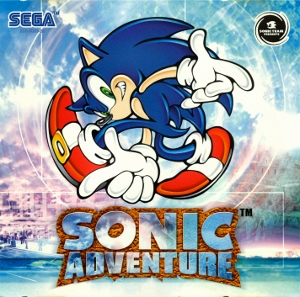
Sonic Adventure, released for the Sega Dreamcast in 1998–1999, was the franchise's first mainline 3D game. It introduced multiple playable characters, varied gameplay styles and the Chao Garden.
Overview
Sonic Adventure is a console entry in the Sonic the Hedgehog series that marked the franchise's shift from side-scrolling to 3D environments. Built for Sega's Dreamcast, it first reached Japanese players on November 27 (Nov 27, 1998) and arrived in North America on September 9 (Sep 9, 1999) and Europe on October 14 (Oct 14, 1999). It is widely remembered as one of the Dreamcast's launch-era titles and as Sonic's first major transition into fully 3D play from the earlier 2D platformers.
Image gallery
9 Images





Gameplay and characters
The game features multiple playable protagonists, each offering distinct mechanics rather than a single uniform control style. Notable playable characters include Sonic, Tails, Knuckles, Amy, Big the Cat and the robot Gamma. Their stages mix high-speed platforming, exploration, puzzle elements and small-action subgenres.
- Sonic — fast-paced, forward-focused platforming and ring collection.
- Tails — flight-capable segments and mech-based shooting.
- Knuckles — treasure-hunting with gliding and digging.
- Amy — slower, story-driven stages with different objectives.
- Big the Cat — relaxed fishing mini-game highlighting the game's variety.
- Gamma — on-rails shooting sections focused on rescue objectives.
Features and innovations
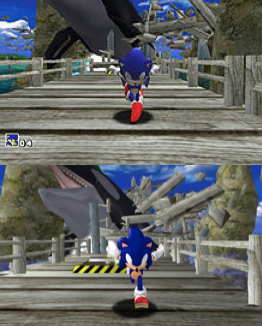
Sonic Adventure introduced several franchise staples and experimental systems for the series: a narrative told across interleaved character arcs, extensive spoken dialogue and cinematic cutscenes, and the Chao Garden — a virtual pet subgame where players raise small creatures called Chao. The game's level design alternates open, exploratory areas and narrow high-speed courses, attempting to balance platforming precision with momentum-based movement.
History, releases and versions
Developed during Sega's transition into the Dreamcast era, the title was among the system's early showcases and helped establish the console's technical ambitions. It later saw enhanced re-releases and ports that bundled extras or updated visuals; the franchise continued into a sequel titled Sonic Adventure 2 and other spin-offs. The original release and subsequent editions remain a reference point for Sonic's evolution into 3D.
Reception and legacy
Upon release the game was praised for its ambition, varied gameplay, memorable soundtrack and technical presentation on the Dreamcast hardware. Criticisms commonly cited awkward camera behavior and uneven controls across different character styles. Despite mixed technical critiques, Sonic Adventure is often credited with shaping later 3D Sonic titles and popularizing features like the Chao Garden and multi-character story structure.
Notable facts
Its shift from classic 2D roots to 3D environments represented a turning point for the series, and its mixture of gameplay genres made it a distinctive entry. For more detailed information, production notes or community resources, consult contemporary coverage and archives linked from official and fan-maintained pages: Sonic Adventure 2 references, developer interviews and dedicated preservation sites can provide additional context and primary sources.
Questions and answers
Q: What is Sonic Adventure?
A: Sonic Adventure is a video game from the Sonic the Hedgehog series.
Q: When was Sonic Adventure released in Japan?
A: Sonic Adventure was released in Japan on November 27, 1998.
Q: What was significant about Sonic Adventure's release in Japan?
A: Sonic Adventure was released in Japan as one of five launch titles.
Q: When was Sonic Adventure released in North America?
A: Sonic Adventure was released in North America on September 9, 1999.
Q: Does Sonic Adventure have a sequel?
A: Yes, Sonic Adventure has a sequel called Sonic Adventure 2.
Q: What distinguishes Sonic Adventure from other Sonic games?
A: Sonic Adventure is the first Sonic game to have 3D surroundings, instead of 2D surroundings like the other Sonic games had.
Q: When was Sonic Adventure released in Europe?
A: Sonic Adventure was released in Europe on October 14, 1999.
Related articles
Author
AlegsaOnline.com Sonic Adventure (1998) — Dreamcast-era 3D entry in the Sonic series Leandro Alegsa
URL: https://en.alegsaonline.com/art/91850
Sources
- gdri.smspower.org : "Game Developer Research Institute"