
Song of Songs (Song of Solomon): Overview, Themes, History, and Reception
Concise guide to the Song of Songs (Song of Solomon): its place in the Hebrew Bible and Christian Old Testament, literary character, major themes of love and allegory, historical context, and liturgical uses.
Overview
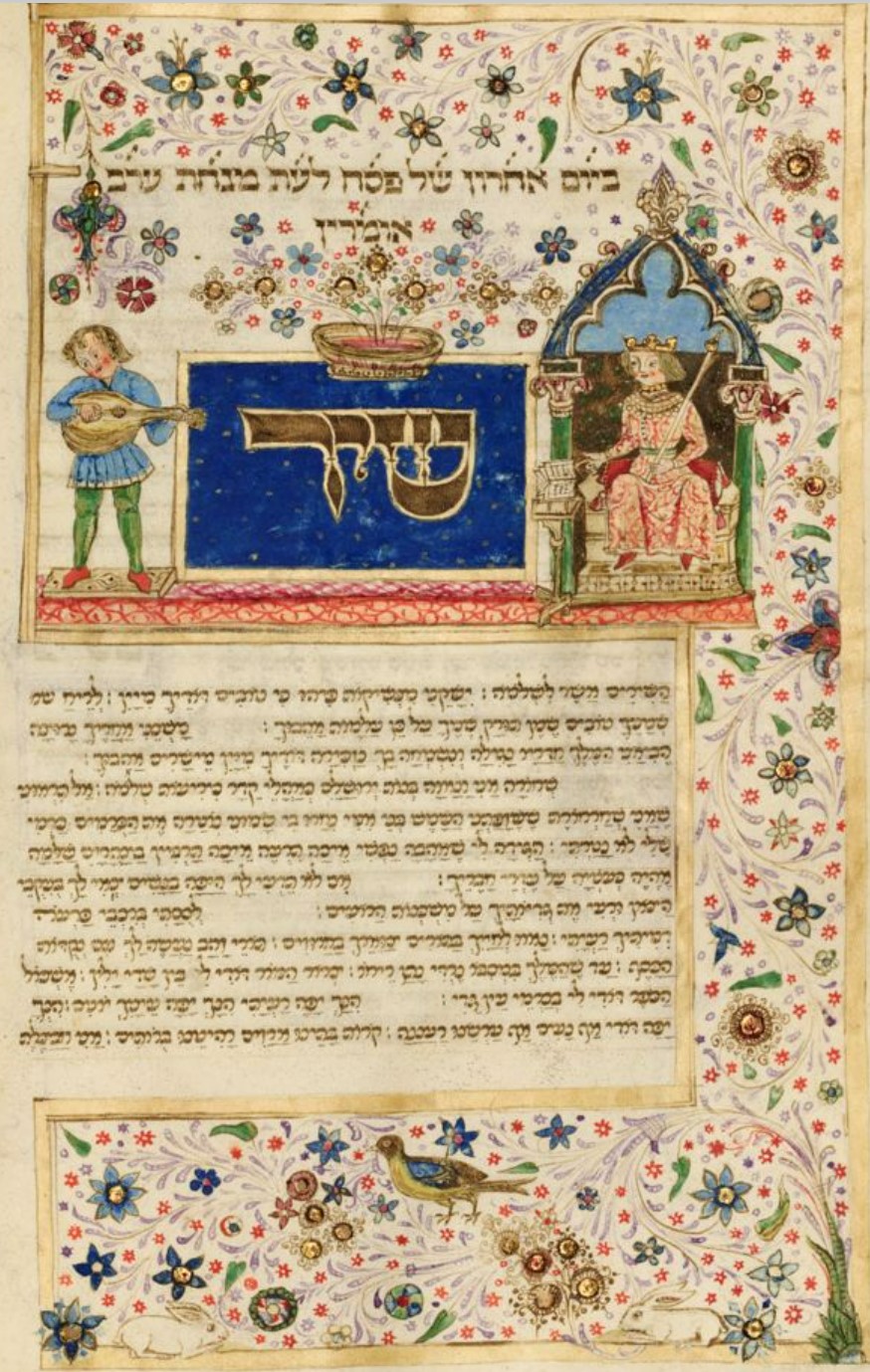
The Song of Songs is an ancient lyric poem preserved in the Hebrew Bible and in Christian Old Testament collections. It appears among the Ketuvim (Writings) of the Jewish canon and is one of the five megillot (scrolls) traditionally read on particular occasions. In English the book is commonly called the Song of Songs, Song of Solomon, or Canticle of Canticles; the Greek Septuagint gives it the title Aisma aismatôn, usually translated "Song of Songs." Its eight short chapters present a sequence of passionate, poetic exchanges that celebrate love, desire and nature imagery.
Image gallery
6 Images




Structure and language
The work consists of a series of lyrical scenes and dialogues rather than a single continuous narrative. Voices alternate between lovers, a chorus of friends, and occasional narratorial lines. The Hebrew of the poem shows distinctive vocabulary and stylistic features, including rich erotic metaphor and frequent imagery drawn from the landscape and domestic life. Scholars debate whether the book is a unified composition, an edited anthology of shorter songs, or a dramatic dialogue staged for performance.
Themes and interpretations
At face value the Song celebrates human erotic love with frank sensuality and poetic metaphors. Because it contains no explicit theological argument and seldom mentions God, later readers treated it as both a lyric and a symbolic text. Two principal interpretive traditions emerged: literal/lyric readings that emphasize human lovers, and allegorical readings that view the poem as a symbol of divine love—most commonly God and Israel in Jewish interpretation or Christ and the Church in Christian interpretation.
History, authorship and textual tradition
The book’s superscription—"of Solomon"—led ancient and medieval readers to associate it with King Solomon, but modern scholarship treats authorship as uncertain. Proposals for dating range broadly, and many scholars suggest the poems reach their final form sometime in the first millennium BCE. The book entered the Septuagint as Aisma and is known under Greek titles such as Aisma aismatôn. It appears in the Hebrew canon (see Tanakh) and in Christian Old Testament lists (Old Testament, broadly used within the Christian Bible).
Uses, liturgy and reception
The Song of Songs has played a varied role in religious and literary history. In Jewish practice it has been associated with Passover in many communities, read and expounded as an expression of the covenantal relationship. In Christian tradition church fathers and medieval theologians developed elaborate allegorical commentaries that made the poem central to mystical and bridal imagery. Over centuries it has attracted poets, translators and artists who value its intense imagery and linguistic precision.
Notable facts and study resources
- Canonical placement: one of the five megillot alongside Ruth, Lamentations, Ecclesiastes and Esther.
- Literary value: admired for its compact, sensory language and metaphorical inventiveness.
- Interpretive diversity: regarded variously as sacred allegory, liturgical text, or ancient lyric celebrating human love.
For introductions and translations consult standard academic commentaries and reliable translations; digital and print resources often provide both the Hebrew text and multiple English renderings that illustrate how readers over time have understood this distinctive book.
Tanakh reference • Old Testament listings • Christian reception • Bible contexts • Septuagint title • Greek name
Questions and answers
Q: What is the Song of Songs?
A: The Song of Songs is a book of the Hebrew Bible and one of the five scrolls.
Q: What is the other name of the Song of Songs?
A: The other name of the Song of Songs is the Song of Solomon or Canticle of Canticles.
Q: What is the meaning of Aisma?
A: Aisma is short for ῏Αισμα ᾀσμάτων, which means "Song of Songs" in Greek.
Q: In which Bible is the Song of Songs found?
A: The Song of Songs is found in the Old Testament of the Christian Bible.
Q: How many scrolls are there in the Hebrew Bible?
A: There are five scrolls in the Hebrew Bible.
Q: What is the meaning of Tanakh?
A: Tanakh is another name for the Hebrew Bible.
Q: What is the Septuagint?
A: The Septuagint is the Greek translation of the Hebrew Bible.
Related articles
Author
AlegsaOnline.com Song of Songs (Song of Solomon): Overview, Themes, History, and Reception Leandro Alegsa
URL: https://en.alegsaonline.com/art/91821