
Sonderkommando: prisoner work units in Nazi extermination camps
Sonderkommando were forced prisoner units in Nazi camps assigned to handle victims of mass murder. This article explains their role, organization, history, and the legacy of testimony and resistance.
Overview
The term Sonderkommando (German for "special unit") refers to groups of incarcerated people compelled by the Nazi regime to perform the tasks associated with mass killing operations in concentration and extermination camps during World War II. These units were composed of prisoners selected from incoming transports and camp populations. They worked in and around the gas chambers and crematoria where the perpetrators carried out systematic murder.
Image gallery
10 Images


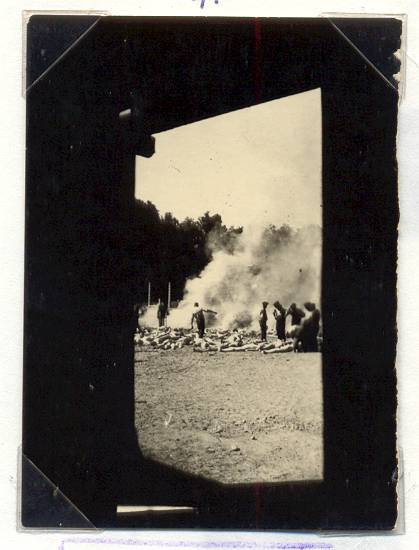


Roles and conditions
Sonderkommando members had highly constrained and horrific duties: removing bodies from gas chambers, extracting valuables, cutting hair, transporting corpses to crematoria or burial sites, and maintaining related machinery. The service was imposed and strictly supervised by the Nazi camp authorities. Most units operated under constant threat of execution; prisoners were frequently killed and replaced to reduce the number of eyewitnesses and to break any cohesion or attempts at resistance.
History and development
Sonderkommando formations emerged as the Nazi killing program expanded during World War II, especially in death camps established in occupied Poland. The structure and size of units varied by camp and period. Despite impossible circumstances, some Sonderkommando members attempted acts of resistance, including sabotage and uprisings, notable among them the revolt at Auschwitz-Birkenau in 1944.
Testimony, documentation, and moral complexity
After the war, surviving members of these units provided crucial firsthand accounts that contributed to historical understanding and criminal prosecutions. Some left clandestine notes, memoirs, or postwar testimony describing daily tasks and camp procedures. Their accounts are often difficult and contested in public memory because they describe coerced participation in atrocities; historians treat these sources with careful contextualization of coercion, survival, and the power imbalance imposed by the perpetrators.
Notable facts and legacy
- Sonderkommando experiences illustrate how the killing system relied on forced labor to operate efficiently.
- Documentation created by members or about them is an important source for studies of the Holocaust and for legal proceedings against perpetrators.
- The subject raises complex ethical and historical questions about victimhood, coercion, and witness testimony.
For more background and primary accounts, see collections of survivor testimony and scholarly treatments that examine the role of Sonderkommando units in the broader machinery of Nazi mass murder. A careful study draws on archival records, survivor statements, and research to understand this tragic aspect of the Holocaust while recognizing the extreme coercion under which these units existed. Additional resources: language and terminology, accounts of victims, and introductory materials on camps and perpetrators available via reputable archives and research centers here and here. Further reading and collections of documents can be found via dedicated scholarly portals and memorial organizations online.
Questions and answers
Q: Who were the Sonderkommandos?
A: They were special work groups comprised of prisoners in Nazi concentration camps during World War II.
Q: What does "Sonderkommando" mean in German?
A: It means "special unit".
Q: What was the main task of the Sonderkommandos?
A: They worked in and around the gas chambers where the Nazis murdered many people.
Q: Were the Sonderkommandos volunteers?
A: No, they were not volunteers. They were selected from among the prisoners in the concentration camps.
Q: Did the Sonderkommandos play a role in the murder of people in the gas chambers?
A: It is unclear whether they actively participated in the killings or not, but they were responsible for removing the bodies and disposing of them.
Q: How did the Sonderkommandos feel about their work?
A: It is likely that they felt a mix of fear, guilt, and desperation, as they were forced to work in such horrifying conditions.
Q: How were Sonderkommandos treated by the Nazi guards and officials?
A: They were treated poorly and often subjected to physical and emotional abuse, as well as threats of being killed themselves.
Related articles
Author
AlegsaOnline.com Sonderkommando: prisoner work units in Nazi extermination camps Leandro Alegsa
URL: https://en.alegsaonline.com/art/91812
Sources
- ushmm.org : "Auschwitz Revolt (United States Holocaust Memorial Museum)"
- hagalil.com : "Auschwitz - Sonderkommando"
- mattrutta.blogspot.com : Yad Vashem website
- commons.wikimedia.org : Sonderkommando