
Bas-Rhin (French department)
Bas-Rhin is a department in northeastern France, bordering the Rhine. Its prefecture is Strasbourg; the area is known for Alsatian culture, contested history, European institutions and a mixed agricultural and industrial economy.
Overview
Bas-Rhin is a department in northeastern France whose name literally means "Lower Rhine." It forms the north-eastern edge of the historic province of Alsace and today is part of the larger Grand Est region of France. The department takes its modern administrative form as a department and is named for the Rhine river that defines its eastern border. Its prefecture and most prominent city is Strasbourg, the department's prefecture and de facto capital.
Image gallery
9 Images

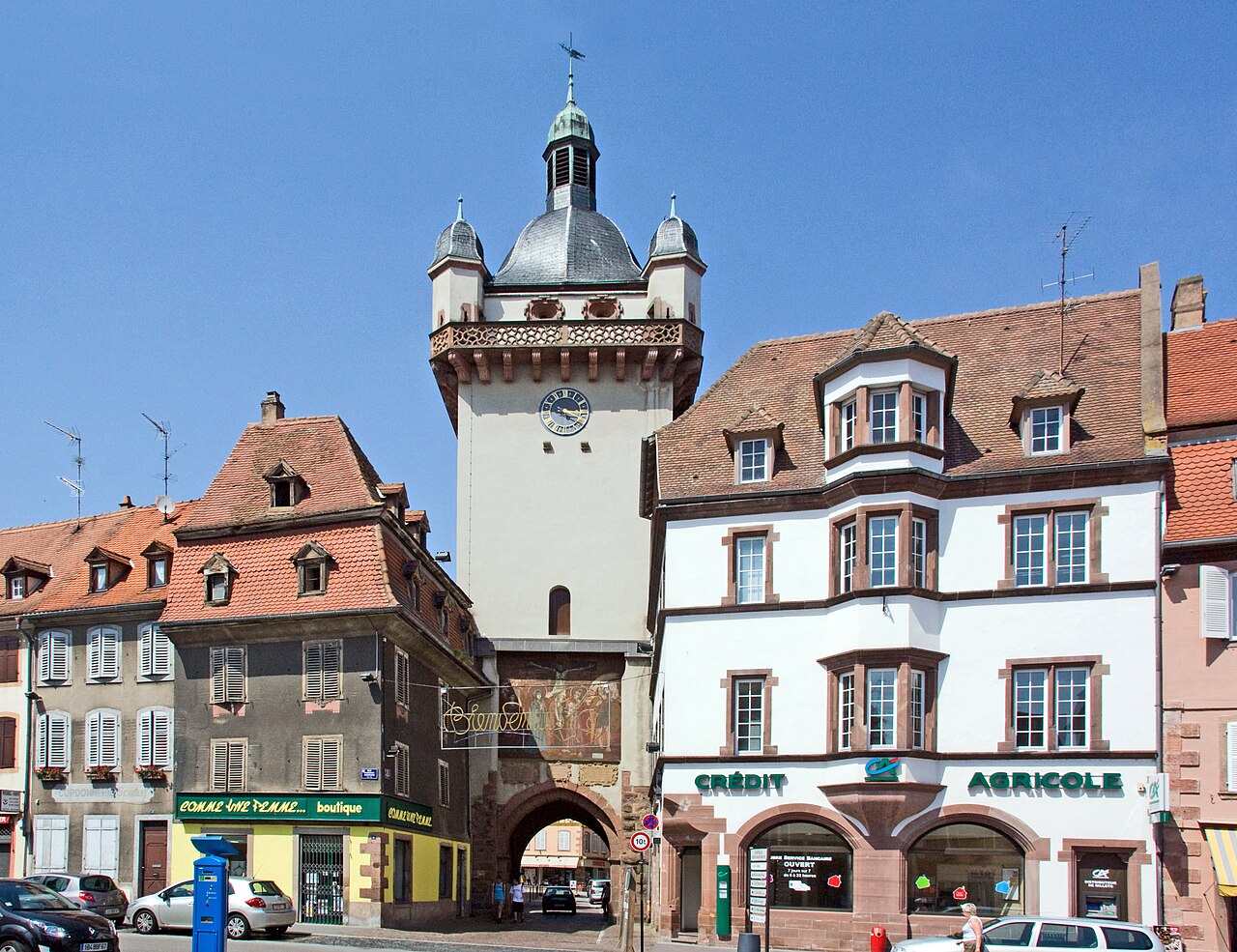


Geography and landscape
Although called "Lower" Rhine, Bas-Rhin occupies part of what geographers describe as the Upper Rhine valley; local names reflect historical usage rather than strict elevation. The department includes river plains along the Rhine, rolling hills, and the lower slopes of the Vosges to the west. The landscape supports a mix of agriculture, vineyards in southern areas, forests and urban zones clustered around Strasbourg and other towns.
History and identity
Bas-Rhin has a complex modern history shaped by its position between France and German-speaking lands. Over the 19th and 20th centuries the department experienced periods of German administration and French rule, which left a strong bilingual and bicultural imprint. Alsatian dialects and traditions survive alongside French administrative institutions, and the territory is often discussed in relation to its sister department to the south, Haut-Rhin.
Culture, language and built heritage
The department preserves distinctive architecture, folk customs and dialects. Traditional timber-framed houses, market towns, and fortified churches are common, while Strasbourg's historic center and cathedral are important cultural landmarks. The Alsatian language and regional customs remain visible in street names, festivals, cuisine and local media; variant local names for the area appear in Alsatian and German usage, such as regional forms.
Economy, institutions and attractions
Bas-Rhin's economy combines agriculture, winemaking in suitable slopes, manufacturing, services and a significant public-administration and international-sector presence because of Strasbourg. The city hosts several European institutions, international courts and cultural organizations, which shape the local labor market and visitor patterns. Popular attractions include historic quarters, museums, riverfront promenades and natural areas along the Rhine.
Administration and practical information
Administratively, Bas-Rhin is organized into arrondissements, cantons and communes and cooperates with regional structures in the Grand Est. Visitors and students of European politics often encounter the department through Strasbourg's institutions. For further detail on local government, demographics and transport, consult dedicated departmental or regional resources via official portals and guides represented here as links: region, department, nationwide pages, and city-focused resources such as Strasbourg.
- Border: Rhine river to the east (Rhine).
- Prefecture: Strasbourg (prefecture/capital).
- Region: Grand Est (region).
Questions and answers
Q: What is Bas-Rhin?
A: Bas-Rhin is a department in the Grand Est region of France, named after the Rhine river that flows along its eastern border.
Q: What is the capital of Bas-Rhin?
A: The prefecture (capital) of Bas-Rhin is Strasbourg.
Q: What does Bas-Rhin mean?
A: Bas-Rhin means "Lower Rhine".
Q: Does Bas-Rhin belong to the Upper Rhine region geographically?
A: Yes, geographically speaking Bas-Rhin belongs to the Upper Rhine region.
Q: Is Bas-Rhin the only department in France to have kept the term "Bas" in its name?
A: No, Bas-Rhin is the last French department to have kept the term "Bas" in its name, but other departments using this word preferred to change their names.
Q: What are some other names for Bas-Rhin?
A: Bas-Rhin is known as Unterelsàss or ‘s Unterlànd or ‘s Ingerlànd in Alsatian, Niederrhein in traditional German, and Lower Rhine in English.
Q: What geographical feature is Bas-Rhin named after?
A: Bas-Rhin is named after the Rhine river which flows along its eastern border.
Related articles
Author
AlegsaOnline.com Bas-Rhin (French department) Leandro Alegsa
URL: https://en.alegsaonline.com/art/9181
Sources
- bas-rhin.fr : "Le Conseil Départamental"
- insee.fr : "Département du Bas-Rhin (67)"
- insee.fr : "Populations légales 2014 des départements et des collectivités d'outre-mer"
- splaf.free.fr : "Historique du Bas-Rhin"
- legifrance.gouv.fr : "Décret n° 2014-1722 du 29 décembre 2014 portant suppression des arrondissements de Strasbourg-Campagne et de Wissembourg (département du Bas-Rhin)"
- peakbagger.com : "Champ de Feu, France"
- weatherbase.com : "Strasbourg, France - Köppen Climate Classification"
- insee.fr : "Département du Bas-Rhin (67)"
- insee.fr : "Régions, départements, arrondissements, cantons et communes"
- insee.fr : "Département du Bas-Rhin (67) et Arrondissements"
- legifrance.gouv.fr : "Décret n° 2014-185 du 18 février 2014 portant délimitation des cantons dans le département du Bas-Rhin"
- habitants.fr : "Habitants du départment: Bas-Rhin"