
Solar power in Spain: development, technology, and national importance
Comprehensive overview of Spain’s solar energy sector: resources, PV and CSP technologies, policy milestones, industrial role, challenges and recent recovery, and outlook for storage and grid integration.

Spain has among the highest solar resources in Europe and a long history of deploying both photovoltaic (PV) and concentrated solar power (CSP) technologies. Abundant sunshine—particularly in the southern and central regions—made the country an early focus for large utility-scale projects and for a domestic manufacturing sector that supplied panels and components across Europe. Over time Spain’s industry built strong trade links with neighbors such as Germany, while its practical experience with large CSP plants has been cited internationally.
Image gallery
10 Images
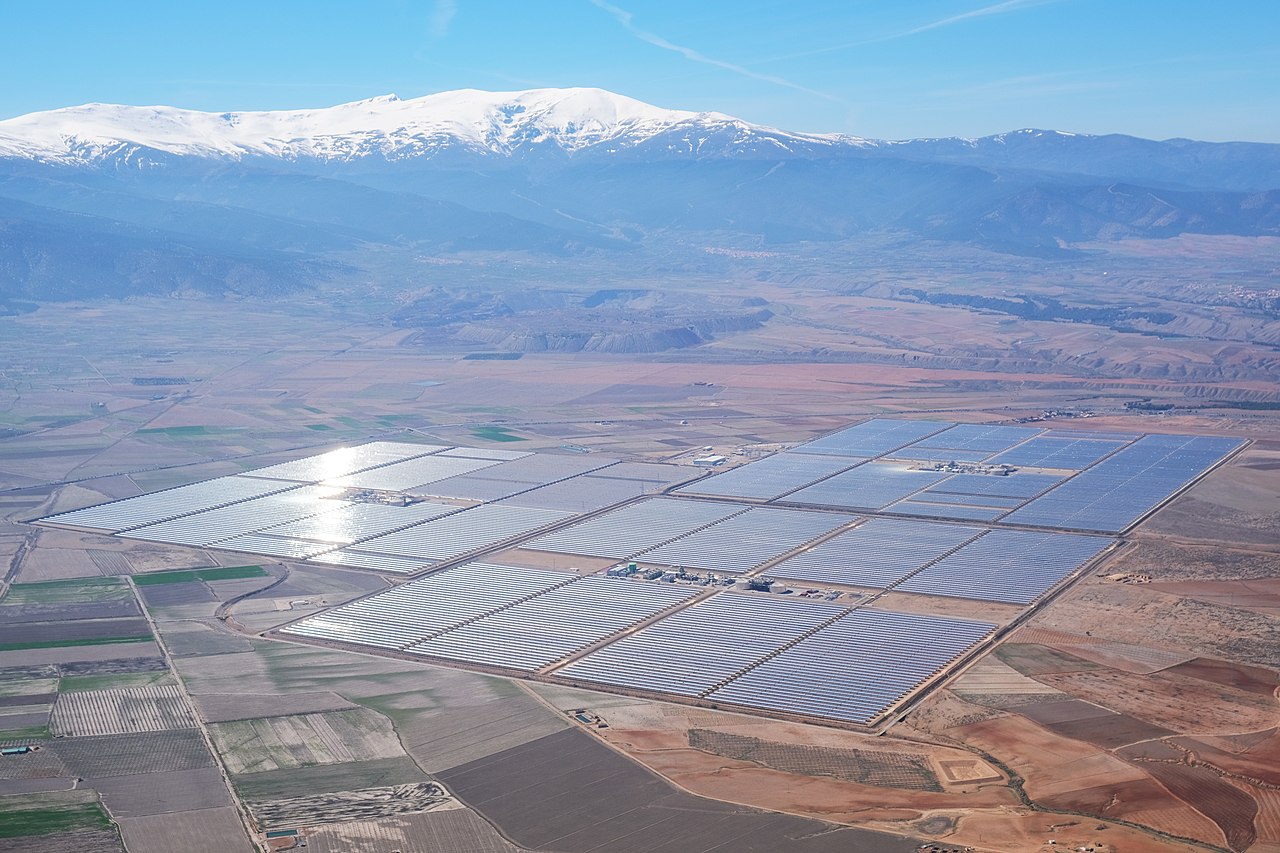


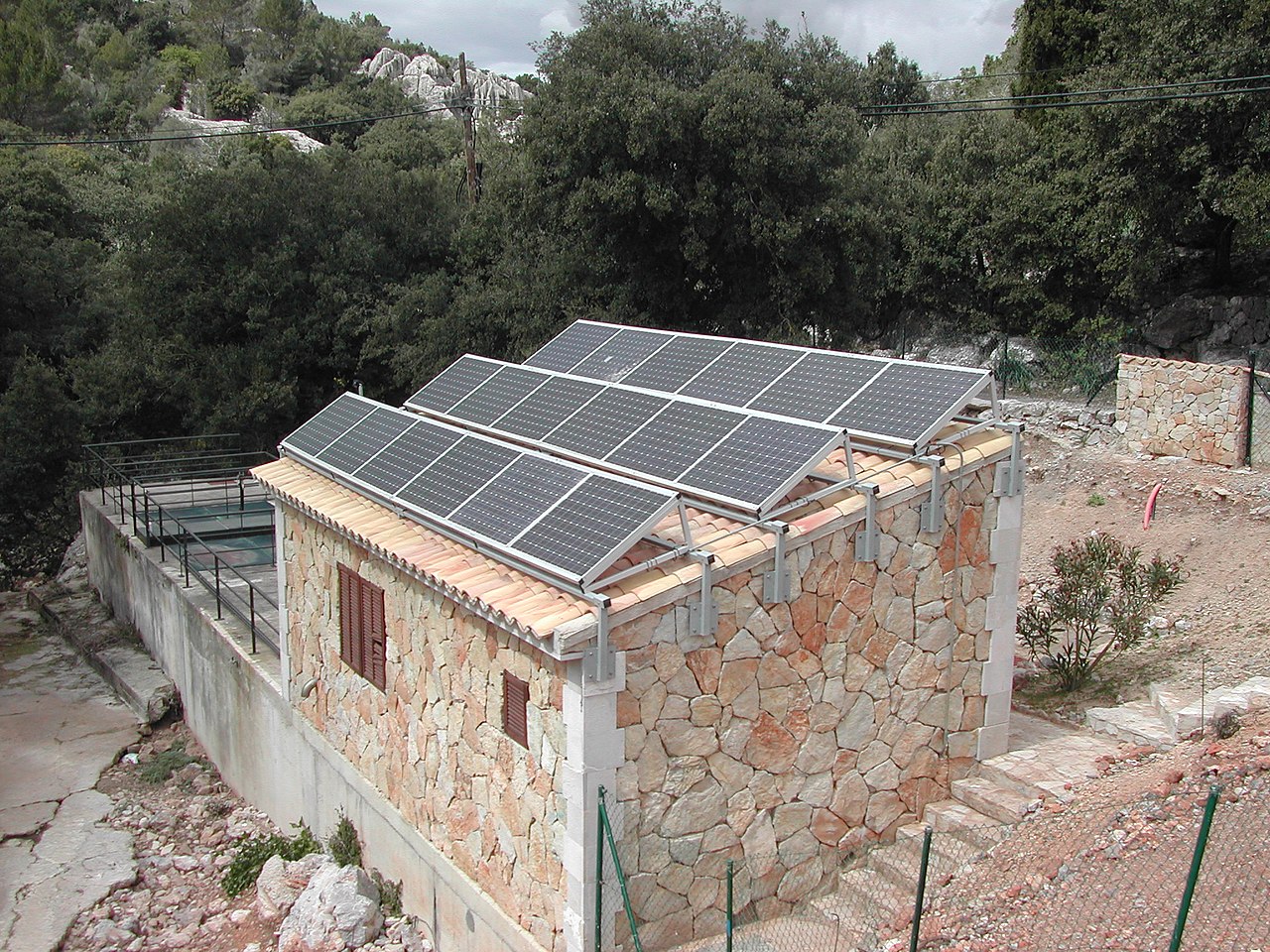


Technologies and resource
- Photovoltaic (PV): rooftop and ground-mounted PV systems convert sunlight directly to electricity using crystalline silicon or thin-film modules. Falling module costs and simpler installation have made PV the most widely deployed solar technology for households, businesses and utility projects.
- Concentrated solar power (CSP): using fields of mirrors to concentrate sunlight onto a receiver, CSP generates heat that drives turbines and can be paired with thermal storage to supply electricity when the sun is not shining. Spain hosted several early commercial CSP demonstrations and plants that explored molten-salt storage and hybridization with conventional generation.
- Solar resource: high direct normal irradiance and long annual sunshine hours in parts of Spain favour both PV and CSP; site selection tends to favour southern provinces and inland basins for large-scale arrays and concentrating facilities. For general background on Spain’s resource advantages see solar resource information.
Policy history and market development
Policy support was decisive in early expansion. In the 2000s the government set national objectives for renewable shares of primary energy and took measures to ease grid connection and improve financial predictability for investors. A notable regulatory milestone was Royal Decree 436/2004, which aimed to equalise conditions for large-scale thermal and photovoltaic plants and established guaranteed feed-in arrangements that helped stimulate investment. At the time authorities defined targets for renewable contribution that guided initial planning and deployment efforts; for more on national policy goals see national renewable policy.
These incentives, together with an active manufacturing base, produced rapid growth in installation and exports. Spain became an important center of CSP expertise and of PV manufacturing — historically exporting a significant share of output to markets such as Germany. Technical demonstrations in Spain, including well-known CSP projects, provided practical experience on permitting, grid integration and thermal storage.
Challenges, adjustment and recent trends
The sector also experienced setbacks when policy frameworks changed during the 2010s and support levels were reduced, which slowed new installations and led to a period of consolidation in domestic manufacturing. Since then, the economics of PV have improved dramatically because of lower equipment costs, and market mechanisms such as auctions, power purchase agreements and incentives for self-consumption have supported renewed growth. The term photovoltaic remains central in technical and policy discussions.
- Grid integration: increasing shares of variable solar generation require upgrades to transmission and distribution networks, better forecasting and more flexible operation.
- Storage and hybrid systems: pairing PV with battery storage or CSP with thermal storage improves reliability and firming capability, enabling higher penetration of solar generation.
- Regulatory stability: predictable, transparent policy and market signals help attract long-term investment for utility-scale projects and for technologies requiring higher up-front capital.
Importance and outlook
Solar power contributes to diversification of Spain’s electricity mix, reductions in greenhouse gas emissions and the creation of manufacturing and installation jobs. Continued expansion is likely to emphasise distributed rooftop PV, large utility projects that include storage or hybrid arrangements, and improved grid flexibility. Spain’s favorable solar resource and accumulated expertise in CSP give it particular potential for projects that combine long-duration thermal storage, hybridization with other low-carbon fuels, or integration with seasonal energy systems such as green hydrogen production. Ongoing attention to permitting, network planning and stable investment frameworks will determine how fully that potential is realised in the coming decades.
Questions and answers
Q: What is Spain's ranking in terms of solar power technology manufacturing?
A: Spain is the fourth largest manufacturer in the world of solar power technology.
Q: Where does Spain export 80 percent of its solar power technology output to?
A: Spain exports 80 percent of its solar power technology output to Germany.
Q: Why is Spain an attractive country for the development of solar energy?
A: Spain is an attractive country for the development of solar energy because it has the greatest amount of available sunshine of any country in Europe.
Q: What is the Spanish government's goal in terms of renewable energy production by 2010?
A: The Spanish government's goal is to produce 12 percent of primary energy from renewable energy by 2010.
Q: What is the required solar generating capacity for Spain to achieve its goal of 12 percent renewable energy production by 2010?
A: Spain would need a solar generating capacity of 400 megawatts to achieve its goal of 12 percent renewable energy production by 2010.
Q: What did the Spanish government do in March 2004 to remove economic barriers to grid-connection of renewable energy?
A: In March 2004, the Spanish government removed economic barriers to grid-connection of renewable energy through a ministerial ruling.
Q: What does Royal Decree 436/2004 guarantee for large-scale thermal and photovoltaic plants in Spain?
A: Royal Decree 436/2004 guarantees feed-in tariffs and equalises conditions for large-scale thermal and photovoltaic plants in Spain.
Related articles
Author
AlegsaOnline.com Solar power in Spain: development, technology, and national importance Leandro Alegsa
URL: https://en.alegsaonline.com/art/91640
Sources
- ens-newswire.com : Sunny Spain to Host Europe's First Large Solar Thermal Plant
- spider.iea.org : Spain pioneers grid-connected solar-tower thermal power
- power-technology.com : Elecnor starts 20MW PV Project, Spain
- renewableenergyaccess.com : BP Solar to Expand Its Solar Cell Plants in Spain and India
- technocrat.net : Solar Power now Mandatory in Spain
- psa.es : General Description of the PSA