
Solar panels: photovoltaic and thermal systems for harvesting sunlight
An overview of solar panels: how photovoltaic and thermal systems capture the sun's energy, their components, history, main uses, advantages and limitations, and notable distinctions.
Overview
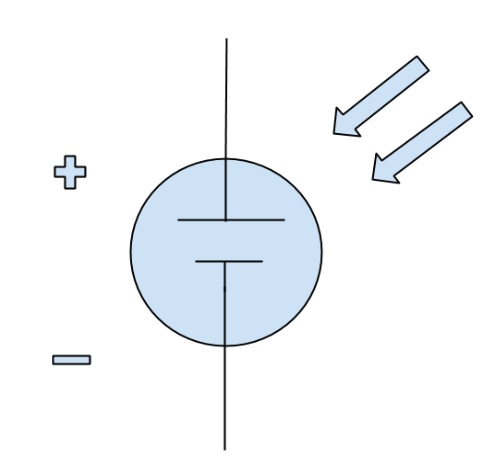
Solar panels are devices that capture energy from the sun and convert it into forms people can use, most commonly heat or electricity. Photovoltaic (PV) panels produce electrical power directly from sunlight, while solar thermal panels collect and transfer heat for space heating or hot water. Both approaches rely on the sun as a renewable energy source and play important roles in reducing fossil fuel use and greenhouse gas emissions. For a basic explanation of how panels harvest energy and why sunlight matters, see introductory resources about the sun and solar radiation.
Image gallery
10 Images


Major types and key components
There are two broad categories of solar panels:
- Photovoltaic panels: Built from semiconductor cells (commonly silicon) that convert light into electricity. Cells are combined into modules and framed as panels. A typical PV installation also includes mounting hardware, wiring, and an inverter to convert the panel's direct current (DC) into alternating current (AC) for building use.
- Solar thermal panels: Designed to absorb and transfer heat to a working fluid. That heat is used directly for domestic hot water, space heating, or to produce steam for mechanical or electrical generation.
Within PV technology there are variants such as crystalline silicon (monocrystalline and polycrystalline) and thin‑film technologies. Thermal systems can be simple flat-plate collectors for domestic use or concentrated solar systems that focus sunlight to reach higher temperatures.
History and development
The photovoltaic effect was first observed in the 19th century, and practical silicon solar cells emerged in the 20th century. Early solid-state PV devices were refined into usable commercial cells — a breakthrough often associated with mid-20th century research — and since then costs have dropped markedly while efficiency and manufacturing scale have increased. Solar thermal concepts date back even further, with people concentrating sunlight for heating and boiling water; later engineers used solar heat to drive steam turbines and other machines. For historical context on steam-driven uses and early engines, see references about the steam engine and the evolution of electricity generation.
Common uses and examples
Solar panels are versatile and deployed in many settings:
- Rooftop PV systems for homes and businesses, integrated into existing buildings.
- Utility-scale solar farms with fixed arrays or mounted on ground trackers that follow the sun to increase yield; these trackers illustrate mechanical approaches to improve collection.
- Off-grid and portable PV units powering remote installations, telecommunications, and vehicles.
- Solar thermal systems for domestic hot water and industrial process heat; large concentrated solar plants use mirrors to generate high-temperature steam.
- Spacecraft power: PV panels are one of the few practical energy sources for satellites and probes operating in outer space, where reliability and longevity are critical.
Advantages, limitations and notable distinctions
PV panels are notable for being largely solid-state devices with no moving parts, which contributes to low maintenance and long service lives. They convert renewable solar energy (renewable energy) without direct emissions at the point of use. Key limitations include variability — output depends on time of day and weather — and the need for energy storage or grid integration to manage intermittency. Thermal systems can be more efficient in delivering heat but are less suited for direct electricity production unless coupled with engines or turbines.
Practical considerations and future trends
When choosing or designing a system, consider orientation, roof load and space, local climate, shading, permitting, and whether to include battery storage or heat storage. Advances continue in module efficiency, lower manufacturing costs, recycling approaches, and combined systems that pair PV and thermal collection. Ground-mounted farms sometimes use tracking systems that rotate panels to follow the sun across the sky, improving yield compared with fixed mounts. For discussions of tracking technology and field deployment, see material on energy system design and the role of trackers in large installations (sun path analysis).
Solar technology remains a cornerstone of modern decarbonization strategies because it taps abundant solar radiation and can be scaled from small household arrays to large utility plants. Continued innovation in materials, integration with storage, and policy support will shape how widely and efficiently solar panels contribute to future energy systems.
For technical or historical references, consult sources on the photovoltaic effect, post‑industrial developments in electric generation, and practical guides to installing and operating both PV and thermal systems (electricity history, mechanical steam uses, and practical manuals on light harvesting). For renewable energy policy and lifecycle considerations, see summaries on renewable energy and solar implementation strategies, as well as materials about the design of solid-state systems and tracking equipment (heat and storage).
Further reading and detailed technical guides may be found via introductory portals and specialist publications (energy technology overviews, solar resource maps, and engineering handbooks).
Questions and answers
Q: What are solar panels used for?
A: Solar panels are used to collect renewable energy from the sun for people to use.
Q: How many types of solar panels are there?
A: There are two types of solar panels: thermal and photovoltaic.
Q: What is the difference between thermal and photovoltaic solar panels?
A: Thermal solar panels collect heat from the sun for space heating and hot water, while photovoltaic solar panels produce electricity from the sun's light.
Q: How did people use the heat of the sun in the 20th century?
A: In the 20th century, people used the heat of the sun to make steam for a steam engine to turn a generator.
Q: Is producing electricity from the sun's light cheaper or more expensive than using steam from the sun's heat?
A: Nowadays, producing electricity from the sun's light is cheaper than using steam from the sun's heat.
Q: Where are home solar panels often mounted?
A: Home solar panels are often mounted on rooftops.
Q: Where are commercial or industrial solar panel installations often located?
A: Commercial or industrial solar panel installations are often on trackers mounted on the ground, which points the panel towards the sun as it moves across the sky.
Related articles
Author
AlegsaOnline.com Solar panels: photovoltaic and thermal systems for harvesting sunlight Leandro Alegsa
URL: https://en.alegsaonline.com/art/91639
Sources
- seia.org : "PV Recycling"
- 2011.solarteam.org : "Recycling Methods for Used Photovoltaic Panels"
- electrical.about.com : "Top 10 Energy Uses"
- telegraph.co.uk : "Global Solar Dominance in Sight as Science Triumphs Fossil Fuels"