
Solar cell: principles, types, history, and practical uses
A solar cell (photovoltaic cell) is a semiconductor device that converts light into electricity. This article explains how cells work, main technologies, history, key applications and future trends.
Overview
A solar cell, often called a photovoltaic (PV) cell, is a semiconductor device that converts incident light directly into electricity through the photovoltaic effect. Individual cells are typically combined into modules and arrays to increase output. Solar cells are a core component of many off‑grid and grid‑connected energy systems and play an important role in efforts to expand sustainable energy supplies and reduce greenhouse gas emissions.
Image gallery
10 Images




Design and key components
A basic solar cell is built around a p–n junction in a semiconductor material. When photons are absorbed, they create electron‑hole pairs that are separated by the internal electric field at the junction, producing current. Typical structural elements include an antireflective coating, front and back electrical contacts, a passivation layer to reduce recombination, and encapsulation for mechanical protection. Modern modules add tempered glass and a polymer backing for durability and weather resistance.
Main types and technologies
- Crystalline silicon (monocrystalline and multicrystalline): the most common, offering a balance of efficiency and stability.
- Thin‑film (amorphous silicon, CdTe, CIGS): lighter and potentially lower cost for large areas, with different tradeoffs in efficiency and materials.
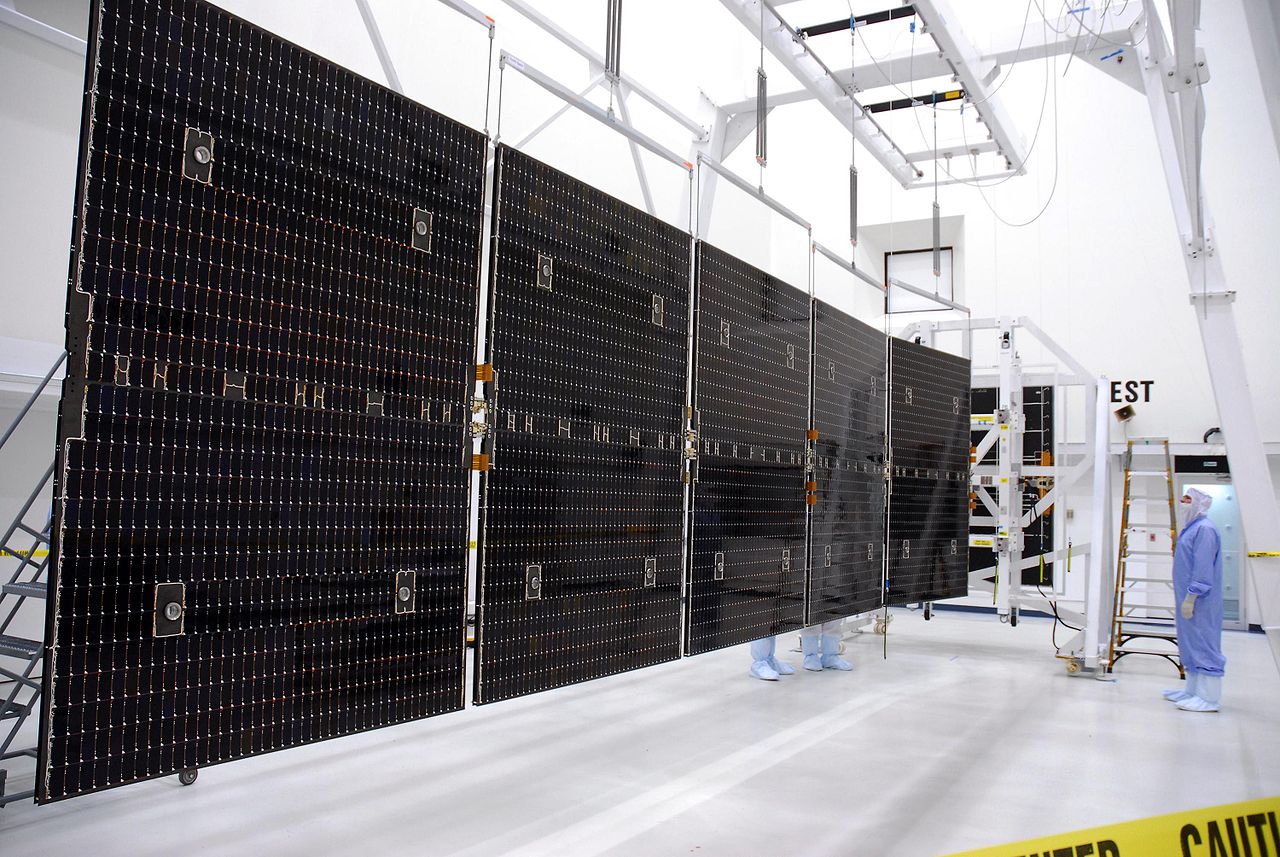
- Multi‑junction and concentrator cells: use stacked semiconductor layers or optical concentration to reach very high efficiencies, often for space or specialized terrestrial uses.
- Emerging types (perovskite, organic, dye‑sensitized): promising lower manufacturing costs and flexible form factors, though some remain under development for long‑term stability.
History and development
Interest in converting light to electricity dates back to early laboratory discoveries of the photovoltaic effect, but practical solid‑state solar cells were developed in the 20th century. Early adoption was driven by applications where grid power was unavailable, including Earth-orbiting satellites and remote probes. Improvements in materials, fabrication and economies of scale expanded use to consumer products and large ground-mounted systems. The growing use of power electronics such as the inverter has enabled safe, widespread connection of PV arrays to the electric grid, supporting net metering and utility‑scale deployment.
Applications and importance
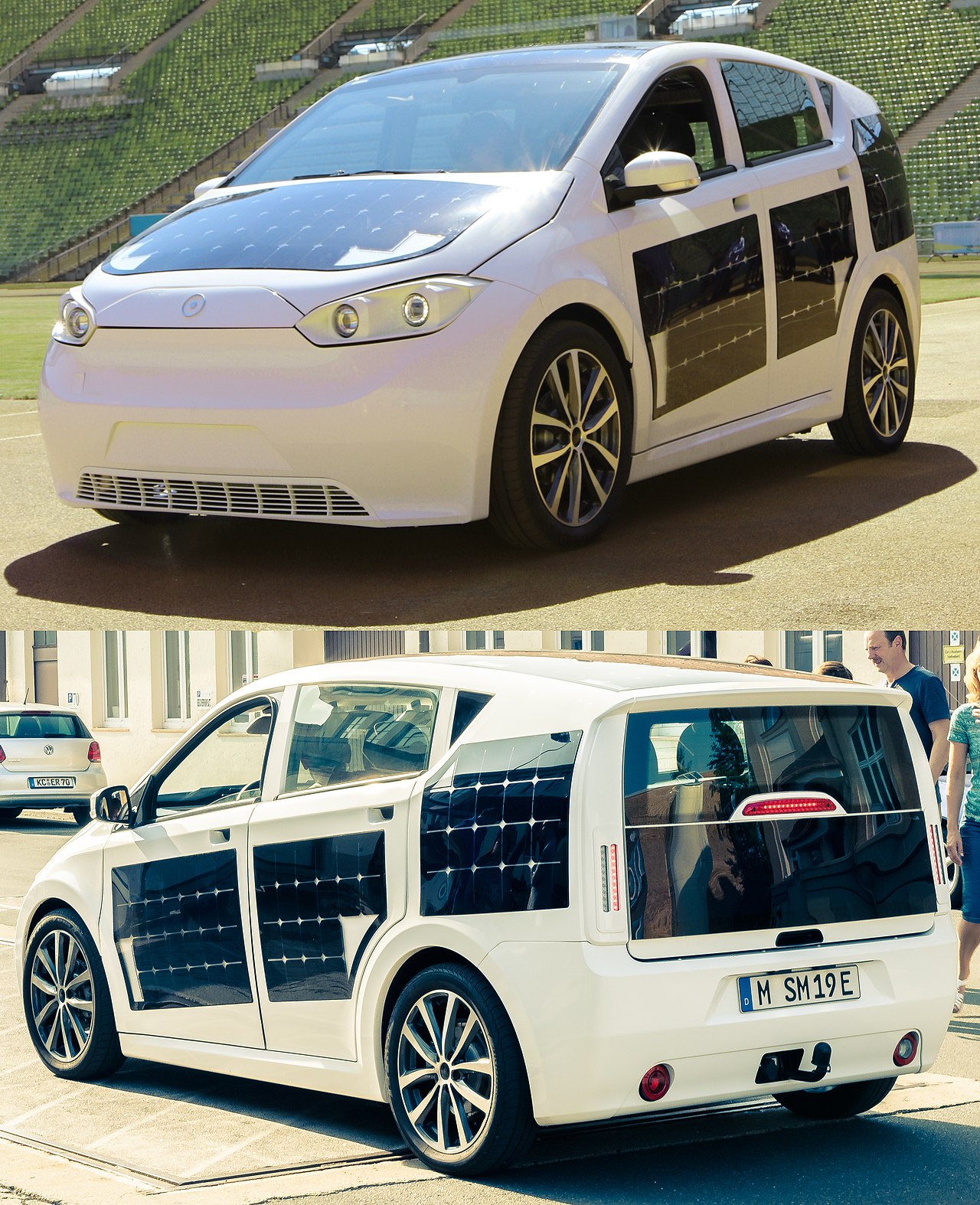
Solar cells are used wherever on-site electricity generation is advantageous. Typical examples include small consumer devices such as calculators and watches, standalone installations for remote lighting, telecommunications and water pumping, satellites and space systems, rooftop residential arrays, and large utility solar farms. By converting solar energy into electricity without moving parts or direct fuel consumption, PV systems contribute to energy resilience and emissions reduction.
Distinctions, challenges and outlook
Solar cells differ from solar thermal technologies, which capture heat rather than producing electricity directly. Important practical distinctions include the difference between a single cell and a module or array, and the balance‑of‑system components (mounting, wiring, inverters, storage). Current challenges include material supply, end‑of‑life recycling, and improving performance in low‑light or high‑temperature conditions. Ongoing research aims to raise efficiencies, lower costs, and develop stable, scalable new materials such as tandem perovskite/silicon cells. As manufacturing improves and integration with storage and smart grids advances, solar cells are expected to remain a major component of low‑carbon energy systems.
Questions and answers
Q: What are solar cells?
A: Solar cells are semiconductor devices that convert light to electricity.
Q: What are some applications of solar cells?
A: Solar cells are used in situations where electrical power from the grid is unavailable, such as in remote area power systems, Earth-orbiting satellites and space probes, consumer systems, e.g. handheld calculators or wrist watches, remote radiotelephones and water pumping applications.
Q: How are solar cells starting to be used more recently?
A: More recently, solar cells are starting to be used in assemblies of solar modules connected to the electricity grid through an inverter, often in combination with net metering.
Q: Why are solar cells seen as an important technology for sustainable energy supply?
A: Solar cells are regarded as one of the key technologies of solar energy towards a sustainable energy supply.
Q: What do solar cells convert light to?
A: Solar cells convert light to electricity.
Q: Where have solar cells been used in situations where power from the grid is unavailable?
A: Solar cells have long been used in situations where electrical power from the grid is unavailable, such as in remote area power systems, Earth-orbiting satellites and space probes, consumer systems, e.g. handheld calculators or wrist watches, remote radiotelephones and water pumping applications.
Q: In what ways are solar cells used in combination with net metering?
A: Solar cells are starting to be used in assemblies of solar modules connected to the electricity grid through an inverter, often in combination with net metering.
Related articles
Author
AlegsaOnline.com Solar cell: principles, types, history, and practical uses Leandro Alegsa
URL: https://en.alegsaonline.com/art/91629
Sources
- ncbi.nlm.nih.gov : PMID 15640806