
Bartje: a Dutch literary figure from Drenthe
Bartje is the central character in a celebrated Dutch rural novel series by Anne de Vries, representing childhood, poverty and regional identity in Drenthe and Dutch cultural history.
Overview
Bartje is the protagonist of a series of Dutch children's and youth novels by Anne de Vries. The stories follow a boy growing up in a poor farming household in Drenthe, a province in the north-east of the Netherlands. Written in the 20th century, the Bartje books are known for their plain language, moral dilemmas and detailed depiction of rural life.
Image gallery
1 Image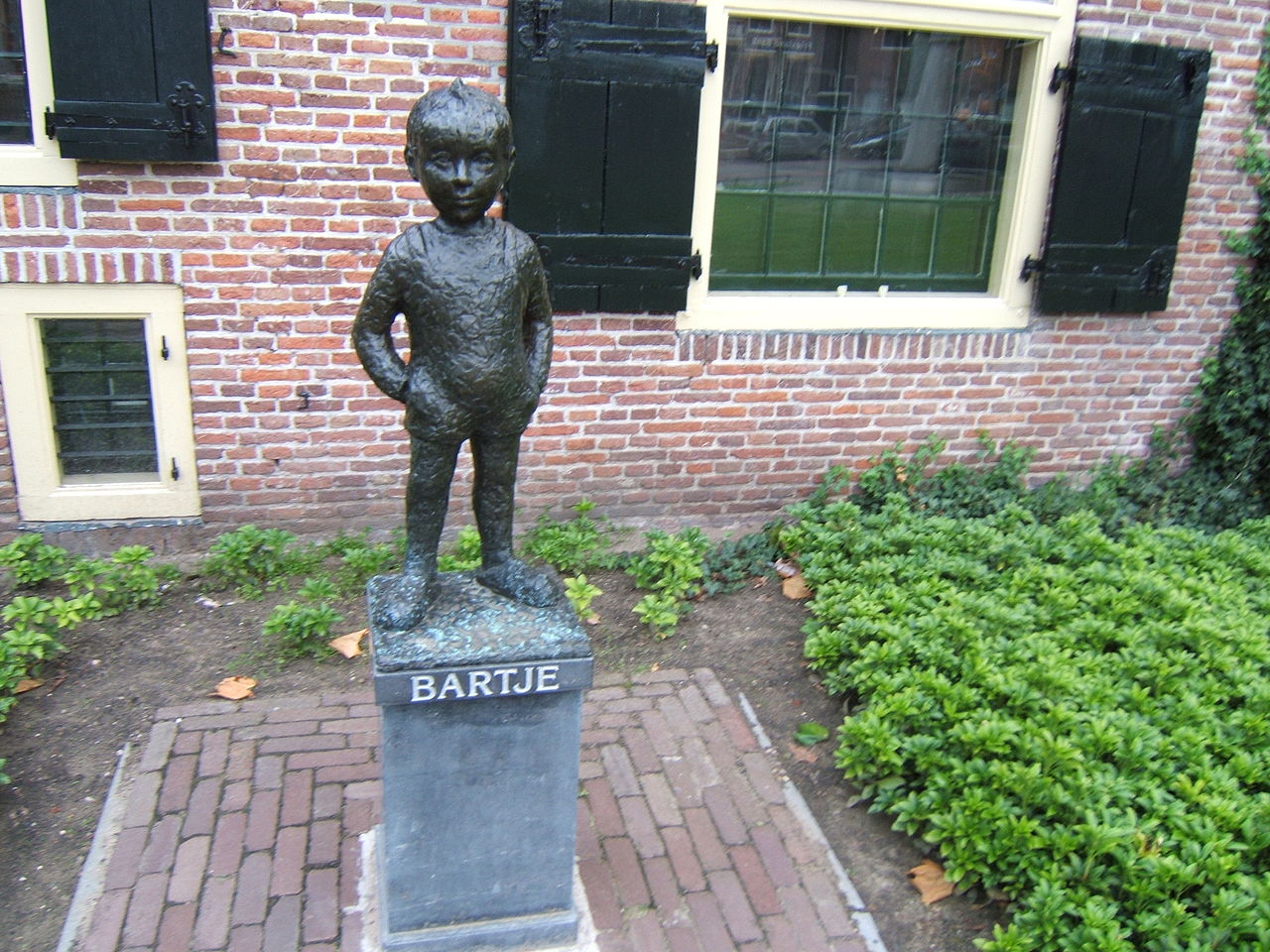
Character and themes
Bartje (pronounced roughly "BAR-che") is the son of a struggling farmer. He is independent-minded, often conflicted between family expectations—to become a farmer like his father—and his own wishes. Key themes include poverty, duty, childhood responsibility, and the pressure to conform. Bartje's refusal to perform a ritualized act of gratitude for an unappealing meal became an emblematic scene, familiar to many readers as a moment of youthful rebellion.
Plot elements and setting
The narrative follows Bartje from childhood into adolescence. Episodes show everyday tasks on the farm, work as an apprentice, family bereavement and the practical duties that fall to him after his mother dies. The setting in Drenthe is integral: the harsh soil, smallholdings and simple customs shape both plot and character. Anne de Vries wrote with attention to regional detail, sometimes incorporating dialect and local customs to convey atmosphere.
Cultural impact and adaptations
Bartje moved beyond the books to become a cultural symbol of Drenthe and Dutch rural life. The character has inspired stage adaptations, radio and television productions and local commemorations. A bronze statue of Bartje in the provincial capital is a familiar landmark; the figure is often cited in discussions of regional identity and the preservation of rural heritage. Schools and readers in the Netherlands encounter Bartje as part of a wider tradition of children’s literature that engages social realities.
Notable aspects
- Realistic portrayal: Emphasis on daily work, economic hardship and family roles rather than sentimental adventure.
- Regional voice: Use of local color and occasional dialect to root the story in Drenthe.
- Iconic moments: Scenes of small rebellions and moral choice that readers remember and quote.
- Enduring legacy: Presence in adaptations and public memory as a shorthand for rural Dutch life.
Bartje remains a touchstone in Dutch cultural history: both a character in a popular series of books and a broader symbol used to discuss class, regional culture and the experience of growing up in an agricultural community.
Questions and answers
Q: Who is Bartje Bartels?
A: Bartje Bartels is the main character in a series of Dutch books written by Anne de Vries.
Q: In which region of the Netherlands does Bartje grow up?
A: Bartje grows up in Drenthe, which is located in the north-east of the Netherlands.
Q: What kind of family does Bartje come from?
A: Bartje comes from a poor family in the countryside.
Q: Who is the author of the Bartje Bartels books?
A: The author of the Bartje Bartels books is Anne de Vries.
Q: Is the name Anne typically a boy's name or a girl's name in Dutch?
A: Although usually a girl's name, the name Anne can also be used as a boy’s name in Dutch, especially in the north where Frisian is spoken.
Q: What does Bartje's family expect him to become?
A: Bartje's family expects him to become a farmer like his father.
Q: What happens to Bartje's mother?
A: Bartje's mother dies, and he has to look after his younger brothers and sisters.
Related articles
Author
AlegsaOnline.com Bartje: a Dutch literary figure from Drenthe Leandro Alegsa
URL: https://en.alegsaonline.com/art/9149