
Socio-economic impact of the COVID-19 pandemic
Comprehensive overview of how the COVID-19 pandemic affected economies and societies: immediate shocks, sectoral winners and losers, inequality, policy responses, and lasting structural changes.
Overview
The global outbreak of COVID-19, caused by the virus known as SARS-CoV-2, produced consequences far beyond public health. As governments implemented measures to limit transmission, economic activity contracted in many countries. At various points during 2020 and 2021 roughly a third of the world’s population experienced formal stay-at-home orders or similar restrictions, producing both demand and supply shocks across sectors.
Image gallery
4 Images


Immediate economic shocks
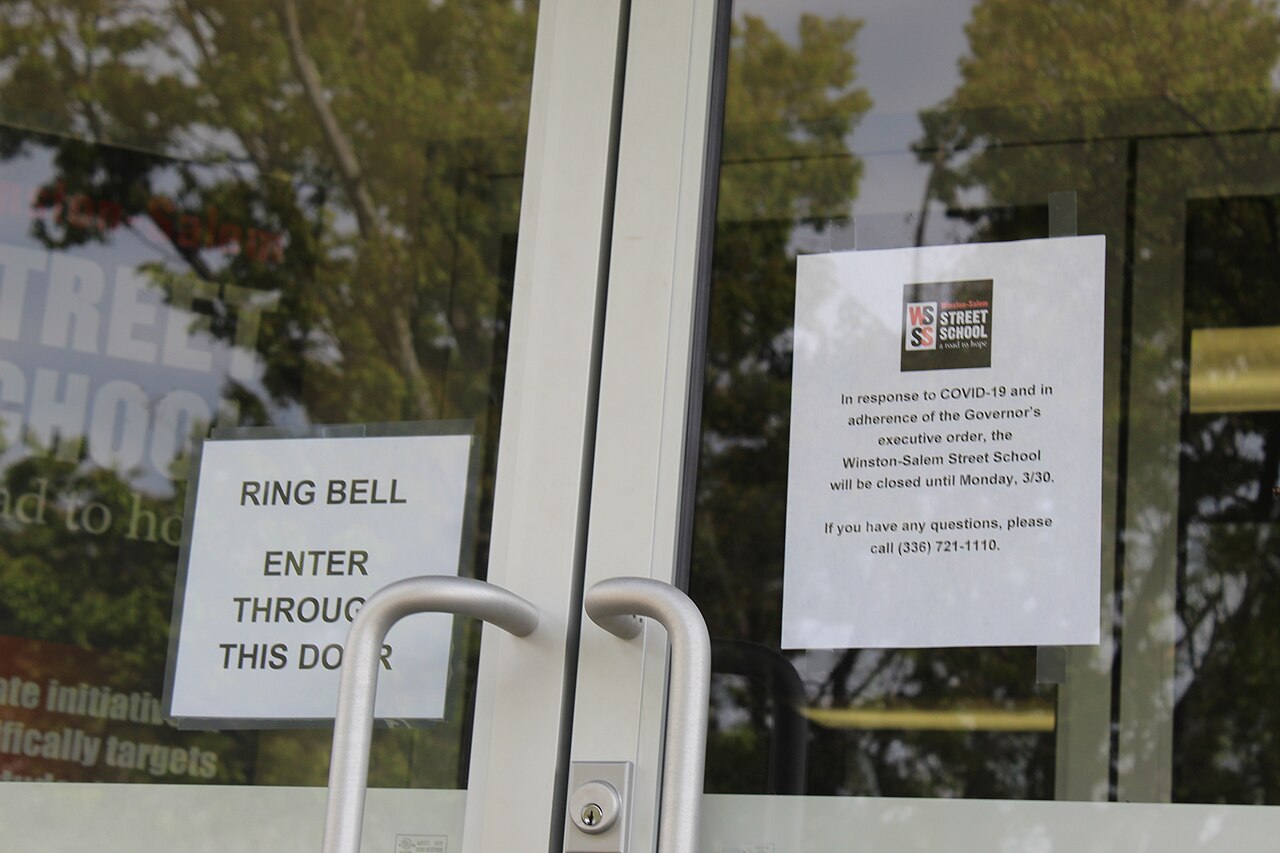
Restrictions on movement and temporary closures of non-essential businesses reduced consumer spending, halted tourism, and interrupted production chains. Many firms faced sudden revenue shortfalls and liquidity problems, while layoffs and furloughs rose in affected industries. Supply-side disruptions included factory shutdowns, logistics bottlenecks, and shortages of key inputs and protective equipment.
Sectoral impacts
Effects varied sharply by industry and region. Some of the most affected areas included:
- Travel and hospitality: international travel collapsed and hotels, restaurants, and airlines suffered steep losses.
- Retail and personal services: in-person retail and service providers saw sharp declines, while e-commerce expanded.
- Manufacturing and supply chains: disruptions revealed vulnerabilities in just-in-time systems and global sourcing.
- Education: widespread school closures forced rapid shifts to remote learning, creating learning loss risks.
- Healthcare: systems were strained, and non-COVID care was often postponed, affecting health outcomes and costs.
Distributional effects and inequalities
The socio-economic burden was uneven. Lower-income households, informal workers, and small businesses often had limited buffers against income shocks. Women and minority groups were disproportionately represented in affected service sectors and bore a larger share of increased unpaid care work. Geographic disparities emerged as countries with limited fiscal space struggled to provide relief at the scale available in wealthier states.
Longer-term structural changes
Beyond the acute phase, the pandemic accelerated several trends. Remote and hybrid work models expanded, prompting changes in urban commuting, commercial real estate demand, and labor market behavior. Digitalization sped up across retail, finance, health care and education. Policymakers and firms began to reassess supply chain resilience, diversification, and stockpiling strategies. Public debt rose in many countries due to emergency spending, raising debates about fiscal sustainability and future investment priorities.
Policy responses and lessons
Governments and central banks deployed a range of measures to limit economic damage and support recovery, including:
- Direct fiscal support: cash transfers, wage subsidies, and expanded unemployment benefits.
- Liquidity and credit facilities: loans, guarantees and moratoria to preserve firms and prevent bankruptcies.
- Monetary easing: lower interest rates and asset purchase programs to stabilize financial markets.
The pandemic underlined the value of strong social safety nets, robust public health systems, and international cooperation in managing global shocks. Recovery has been uneven: vaccine rollout and competent public-health responses helped restore activity in some places, while others faced prolonged economic and social disruptions. Understanding these effects remains important for designing policies that increase resilience to future global crises.
Questions and answers
Q: What is the COVID-19 pandemic?
A: The COVID-19 pandemic is a global health crisis caused by the spread of the SARS-CoV-2 virus.
Q: What are some of the effects of the pandemic?
A: The effects of the pandemic include decreased business activity, increased unemployment, and a global recession.
Q: How many people were placed on lockdown due to the pandemic?
A: More than a third of the global population was placed on lockdown due to the pandemic.
Q: How has this affected businesses?
A: Businesses have seen decreased activity as a result of lockdowns and other restrictions put in place due to the pandemic.
Q: What kind of recession did this cause?
A: This caused one of the largest global recessions in history.
Q: How has this impacted employment levels?
A: This has led to an increase in unemployment rates around the world.
Related articles
Author
AlegsaOnline.com Socio-economic impact of the COVID-19 pandemic Leandro Alegsa
URL: https://en.alegsaonline.com/art/91477
Sources
- ft.com : "Real-time data show virus hit to global economic activity" · web.archive.org
- businessinsider.com.au : "A third of the global population is on coronavirus lockdown — here's our constantly updated list of countries and restrictions"
- nytimes.com : "Price Gouging Complaints Surge Amid Coronavirus Pandemic"
- bloomberg.com : "Virus Outbreak Drives Italians to Panic-Buying of Masks and Food" · web.archive.org
- channelnewsasia.com : "Viral hysteria: Hong Kong panic buying sparks run on toilet paper"
- axios.com : "Household basics are scarce in Hong Kong under coronavirus lockdown" · web.archive.org
- cnn.com : "Dow plunges 1,000 points as coronavirus cases surge in South Korea and Italy" · web.archive.org
- cityam.com : "FTSE 100 plunges 3.7 per cent as Italy confirms sixth coronavirus death" · web.archive.org
- cnbc.com : "Global stocks head for worst week since the financial crisis amid fears of a possible pandemic"