
Snowy River (Australia) — geography, history and restoration
Major river rising on Mount Kosciuszko, flowing from the Snowy Mountains to Bass Strait; famed for its alpine headwaters, the Snowy Mountains Scheme and subsequent environmental flow recovery efforts.
Overview
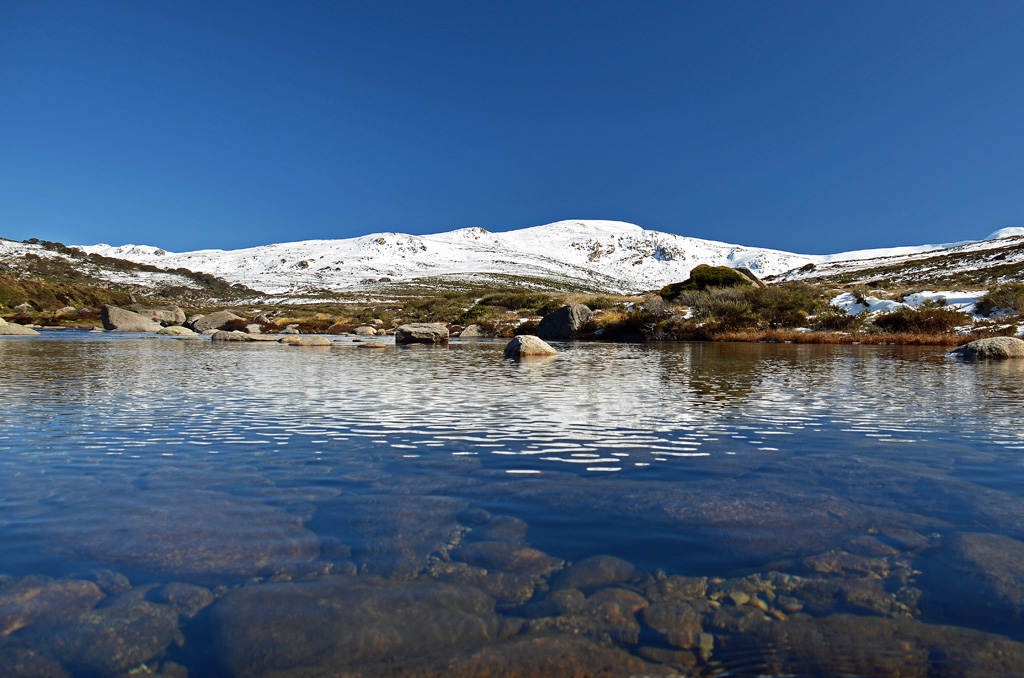
The Snowy River is a prominent waterway in south‑eastern Australia. It originates on the eastern slopes above Mount Kosciuszko, the continent's highest peak, and draws much of its water from the alpine catchments of the Snowy Mountains. From its upland source it descends through steep gorges and high country before flowing into lowland country and ultimately reaching Bass Strait. The river crosses state boundaries, beginning in New South Wales and passing into Victoria, where parts of its valley are protected within the Snowy River National Park.
Image gallery
9 Images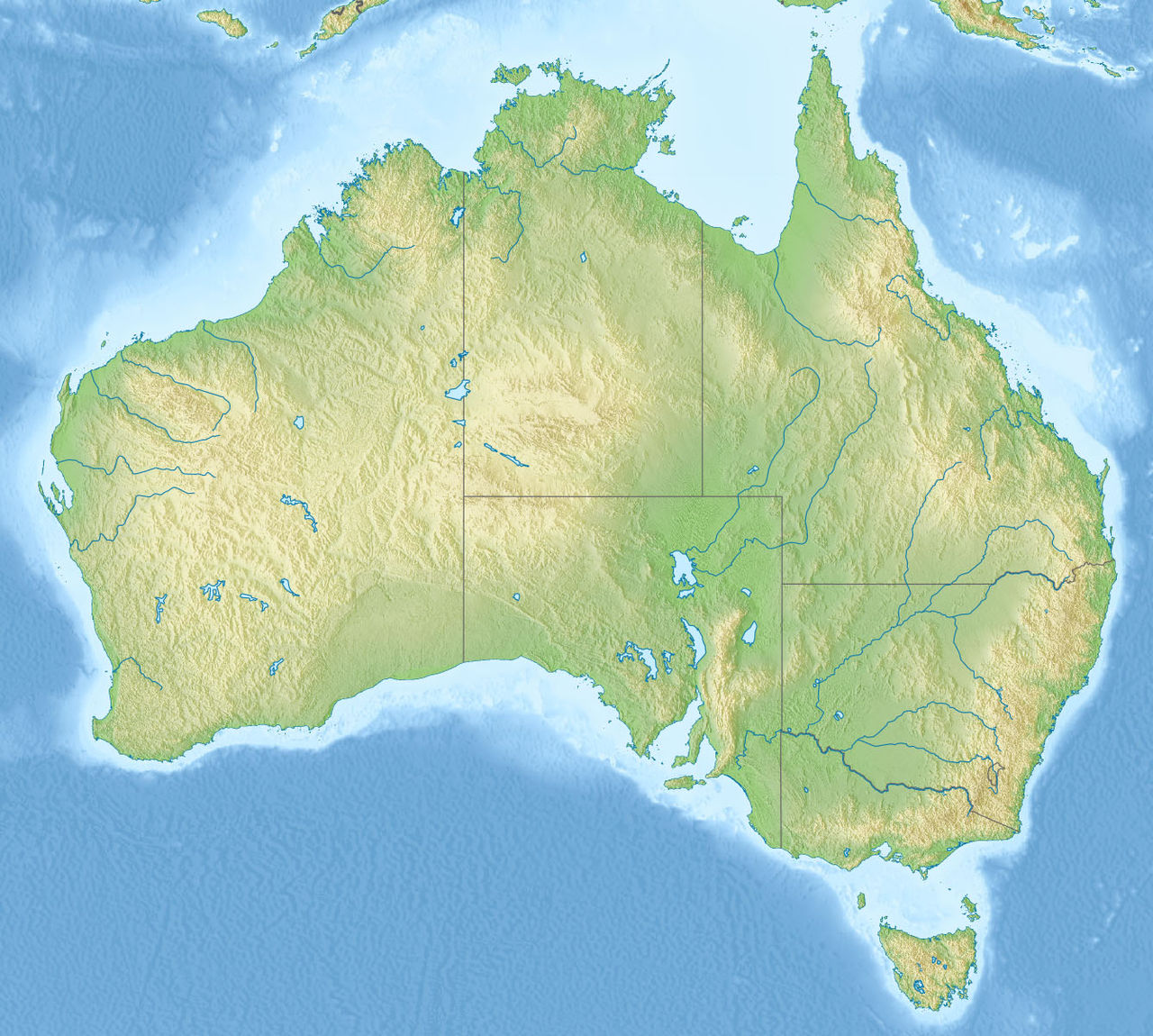



Course and characteristics
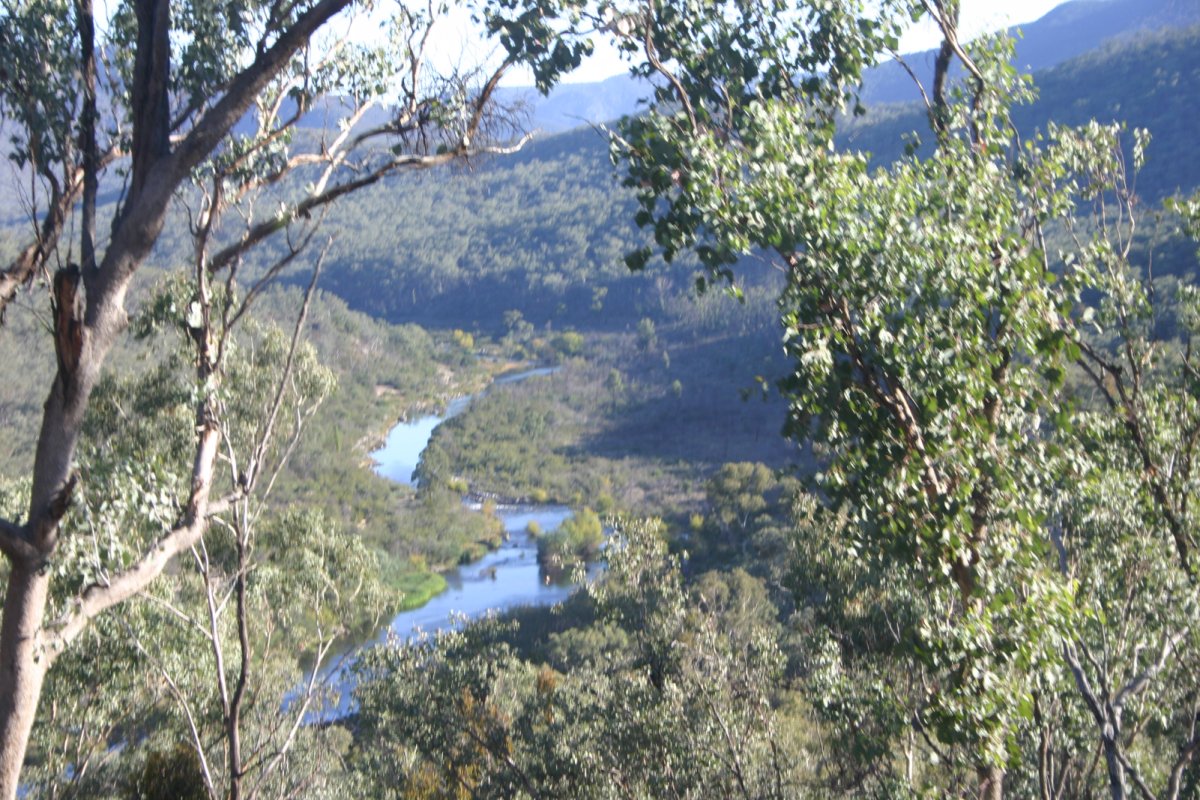
The Snowy River is fed seasonally by snowmelt and alpine rainfall. In its upper reaches it is characterised by clear, fast water, rocky beds and pronounced rapids. Lower reaches spread out, forming broader channels and floodplains before the river reaches the sea. Historically the river carried substantial fresh water volumes during spring melt and supported a range of native aquatic and riparian habitats.
Development and the Snowy Mountains Scheme
In the mid‑20th century significant engineering works altered the river's natural flow. Beginning after World War II, the Snowy Mountains Scheme was constructed to generate power and supply water for irrigation and development. The Scheme included dams, tunnels and power stations designed to capture and divert headwater streams for hydroelectricity and water management. Major storages created as part of the project include:
- Guthega Dam
- Island Bend complex
- Eucumbene Reservoir
- Jindabyne Dam
These structures transformed the basin by redirecting large portions of the Snowy River's flow into other catchments and through power generation systems.
Environmental impact and restoration
Diverting water caused dramatic reductions in downstream discharge, with much of the earlier high spring flows curtailed. Reduced flow altered river channels, affected estuarine dynamics at the mouth and harmed native fish and riparian vegetation. From the late 20th century, community concern and scientific studies prompted political action. From the early 2000s governments negotiated to return more water to the river to improve ecological health. Releases were increased incrementally to restore habitats, reconnect river reaches and revive estuarine processes. Policy and management continue to balance environmental flows with energy production and water security.
Uses, recreation and cultural significance
The Snowy River and its valley support a range of recreational activities: whitewater rafting and kayaking in steeper sections, fishing in rivers and reservoirs, and bushwalking within national park areas. The river also occupies a strong place in Australian culture and identity; it is celebrated in literature and song, and associated with rural high‑country life. Conservation groups, Indigenous communities and local stakeholders remain engaged in decisions about flows, land use and the river's future.
Notable facts and current situation
Although many reaches remain modified by the Scheme, significant stretches retain remnant wilderness values and are protected in reserves. Continued monitoring, adaptive water releases and habitat restoration projects aim to rebuild ecological function. Key milestones in the river's recovery were negotiated in the early 21st century, reflecting a shift toward recognising environmental water as an important public asset. The Snowy River therefore stands as an example of the complex trade‑offs between large‑scale engineering, renewable energy, agricultural water use and river health.
For further information on the river's location, history and management see regional resources on south‑eastern Australia, Mount Kosciuszko, the Snowy Mountains, New South Wales, the Snowy River National Park, and Victoria. Background on the historical period is discussed in materials about the mid‑20th century and the planning and construction of the Snowy Mountains Scheme, which established major dams and a hydroelectric network. The Scheme's role in delivering hydroelectricity remains a central element of its legacy.
Questions and answers
Q: Where does the Snowy River start?
A: The Snowy River starts on the slopes of Mount Kosciuszko, Australia's highest mountain.
Q: What type of water source does the Snowy River get its water from?
A: The Snowy River gets its water from the eastern slopes of the Snowy Mountains in New South Wales.
Q: What happened to the Snowy River in the 1950s?
A: The flow of water in the Snowy River was almost stopped in the 1950s by the building of the Snowy Mountains Scheme to make hydroelectricity.
Q: How many large dams were built in the Snowy Mountains Scheme?
A: Four large dams were built in the Snowy Mountains Scheme - at Guthega, Island Bend, Eucumbene, and Jindabyne.
Q: What is the percentage of the river flow as measured at Jindabyne that continued to flow down the river after the Snowy Mountains Scheme?
A: Less than 1% of the river flow, as measured at Jindabyne, New South Wales, continued to flow down the river after the Snowy Mountains Scheme.
Q: Why was there concern over the health of the Snowy River?
A: Concern over the health of the river was due to the fact that its flow had been almost stopped by the construction of the Snowy Mountains Scheme.
Q: What was the plan to increase the flow of the Snowy River?
A: An agreement between the state and federal governments planned to increase the flow of the Snowy River to 15% by 2009 and 21% by 2012. From 2002 to 2008, the flow was increased from 1% to 4%.
Related articles
Author
AlegsaOnline.com Snowy River (Australia) — geography, history and restoration Leandro Alegsa
URL: https://en.alegsaonline.com/art/91360
Sources
- ourwater.vic.gov.au : "The Snowy River - an historic agreement"