
Snowy Mountains (The Snowies): Australia's highest mainland range
Mountain range in southeastern Australia containing Mount Kosciuszko, alpine ecosystems, winter snowfields, major ski areas, and the historic Snowy Mountains hydroelectric scheme.
Overview
The Snowy Mountains, often called "the Snowies," are the highest mountain range on the Australian mainland, located in southeastern Australia. The region contains Mount Kosciuszko, the continent's highest mainland summit. The range forms part of the broader Australian Alps and lies within the eastern section of the Great Dividing Range. Its upland landscapes, seasonal snow cover and distinct alpine flora set it apart from much of the surrounding lowland country.
Southeastern Australia provides the geographic context for the Snowy Mountains, while the range itself is recognised as the highest mountain range on the island. The best-known peak, Mount Kosciuszko, reaches the highest elevation on the Australian mainland and is a focal point for visitors and naturalists.
Image gallery
10 Images




Geography and geology
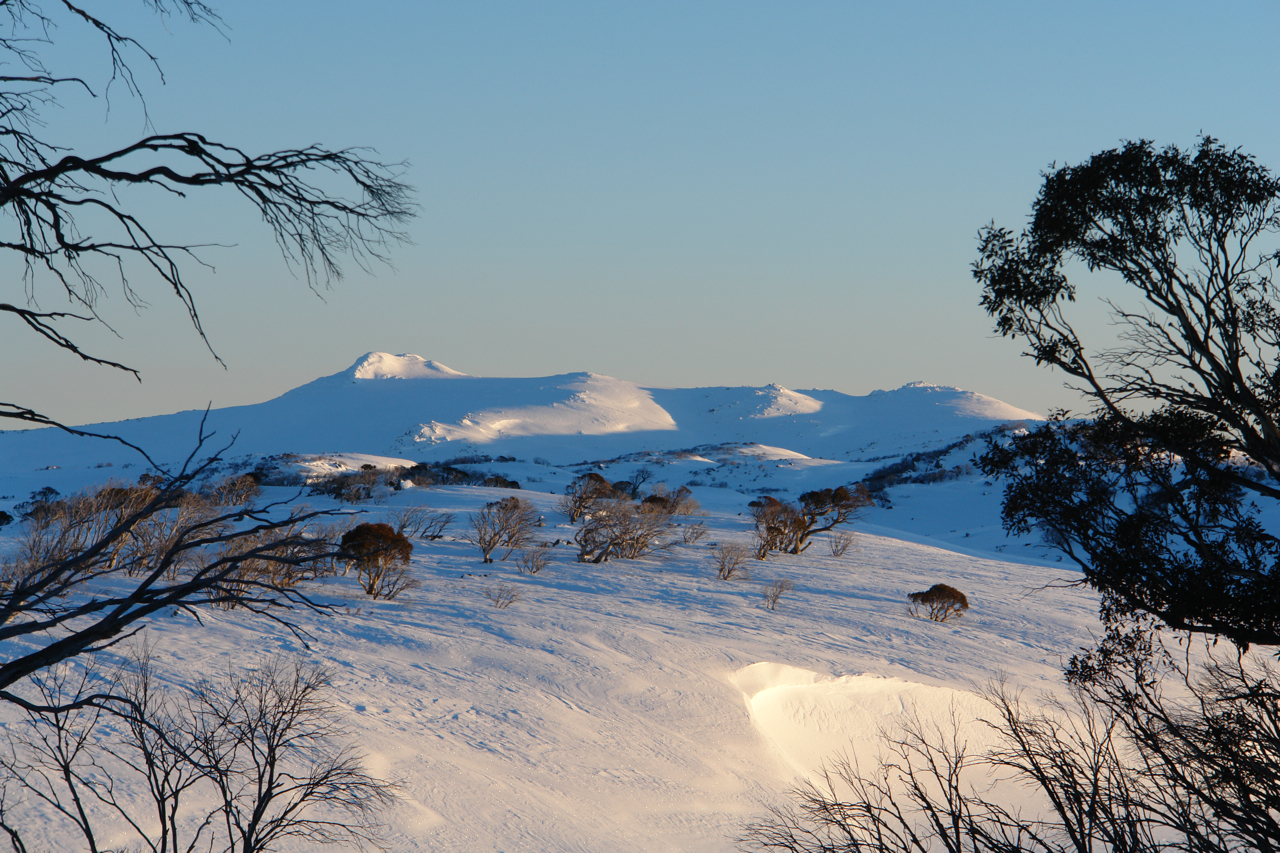
The Snowies sit mainly within southern New South Wales and are an upland segment of the Great Dividing Range. The topography includes plateaus, ridgelines and glacially influenced corries and valleys. Although the mountains are modest in absolute height by global standards, their relief and weather produce true alpine conditions in winter. Several peaks in the range exceed two thousand metres, creating a distinct high-country zone that supports specialised plants and animal communities.
Climate and snow
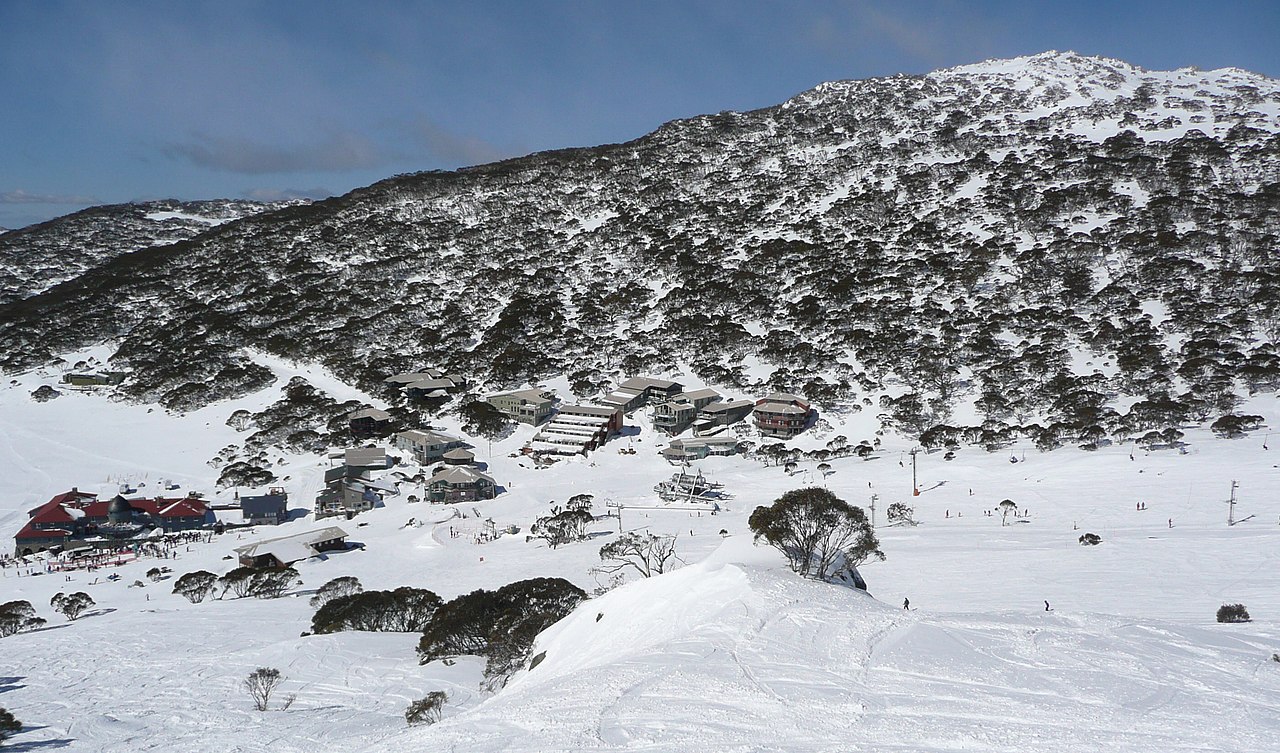
Unlike most of Australia, the Snowy Mountains receive substantial natural snowfall in winter. Snowfall is typically heaviest between June and early August, and most of the accumulated snowpack melts through spring. The seasonal snow supports winter recreation such as alpine skiing and snowboarding and plays a role in regional hydrology by releasing meltwater into river systems during warmer months.
Ecology and notable species
The Snowies host a range of vegetation zones from montane forests to alpine herbfields and peatlands. One characteristic plant is the mountain plum-pine, a low, spreading conifer adapted to harsh conditions and strong winds. These environments also support specialised fauna and numerous endemic or range-limited species. Conservation areas, including national parks in the region, aim to protect fragile alpine ecosystems from the combined pressures of climate change, introduced species and recreational use.
Human use, history and infrastructure
People have used and valued the Snowy Mountains for millennia. Aboriginal groups have cultural ties to the high country, and European exploration and naming occurred during the 19th century. In the 20th century the region became well known for the Snowy Mountains Scheme, a major hydroelectric and irrigation project that reshaped rivers and established reservoirs, contributing to power generation and water management across southeastern Australia.
Today the area supports seasonal tourism, year-round pastoral activities in adjacent valleys and scientific research. Major roads that provide access across and around the range include the Alpine Way and the Snowy Mountains Highway, which connect villages, resorts and park entrances.
Recreation and regional importance
The Snowies are one of Australia’s principal alpine recreation areas. The region contains New South Wales' principal winter ski centres; visitors come for downhill skiing, cross-country trails and snow play. In summer the high-country becomes popular for hiking, mountain biking and fishing. Recreational infrastructure, local tourism businesses and protected natural areas together make the Snowy Mountains an important economic and environmental asset for the state and nation.
Distinguishing features and facts
- The Snowy Mountains are part of the Australian Alps and include the highest mainland summit, Mount Kosciuszko.
- The region receives significant seasonal snow, unlike most of Australia, with peak snowfall in winter months.
- Characteristic plants such as the mountain plum-pine survive in exposed alpine conditions.
- The Snowies host the main ski resorts in New South Wales and are traversed by key roads providing public access.
- The landscape and infrastructure, including the historic hydroelectric scheme, have shaped settlement and land use patterns across the region.
For further regional context and travel information consult resources on New South Wales, the broader Great Dividing Range and Australian alpine landscapes.
Questions and answers
Q: Where are the Snowy Mountains located?
A: The Snowy Mountains are located in southeastern Australia, in southern New South Wales.
Q: What is the highest mountain in the Snowy Mountains?
A: The highest mountain in the Snowy Mountains is Mount Kosciuszko, with a height of 2,228 m (7,310 ft).
Q: How many peaks in the Snowy Mountains are above 2,100 m (6,890 ft)?
A: All five highest peaks in the Snowy Mountains are above 2,100 m (6,890 ft).
Q: What is the climate like in the Snowy Mountains?
A: Unusually for Australia, the Snowy Mountains have large natural snowfalls every winter, with snow normally falling the most in June, July and early August. Most of the snow usually melts by late spring.
Q: What is the other major alpine region in Australia?
A: The Tasmanian highlands are the other major alpine region in Australia.
Q: What kind of tree is found in the Snowy Mountains?
A: The Snowy Mountains are host to the mountain plum-pine, a low-lying type of conifer.
Q: What industry is centered in the Snowy Mountains during the winter months?
A: The Snowy Mountains are one of the centres of the Australian ski industry during the winter months, with all four snow resorts in New South Wales located in the region.
Related articles
Author
AlegsaOnline.com Snowy Mountains (The Snowies): Australia's highest mainland range Leandro Alegsa
URL: https://en.alegsaonline.com/art/91357
Sources
- sciencealert.com.au : "Dead shrubs tell climate secrets"
- visitnsw.com : "Snowy Mountains"