
Smoked fish: methods, species, regional traditions and uses
Comprehensive overview of smoked fish: smoking methods (hot and cold), common species, regional traditions, culinary uses, terminology and basic preservation and safety notes.
Overview
Smoked fish are fillets or whole fish that have been cured and flavored by exposure to smoke from burning wood or other plant material. Historically smoking served primarily as a preservative to extend the edible life of catches, but in most modern contexts the practice is valued as much for the distinctive aroma and taste it imparts as for preservation. For a general description of the smoking process see smoking process, and for its role in early food preservation see preservative techniques.
Image gallery
10 Images




Methods and characteristics
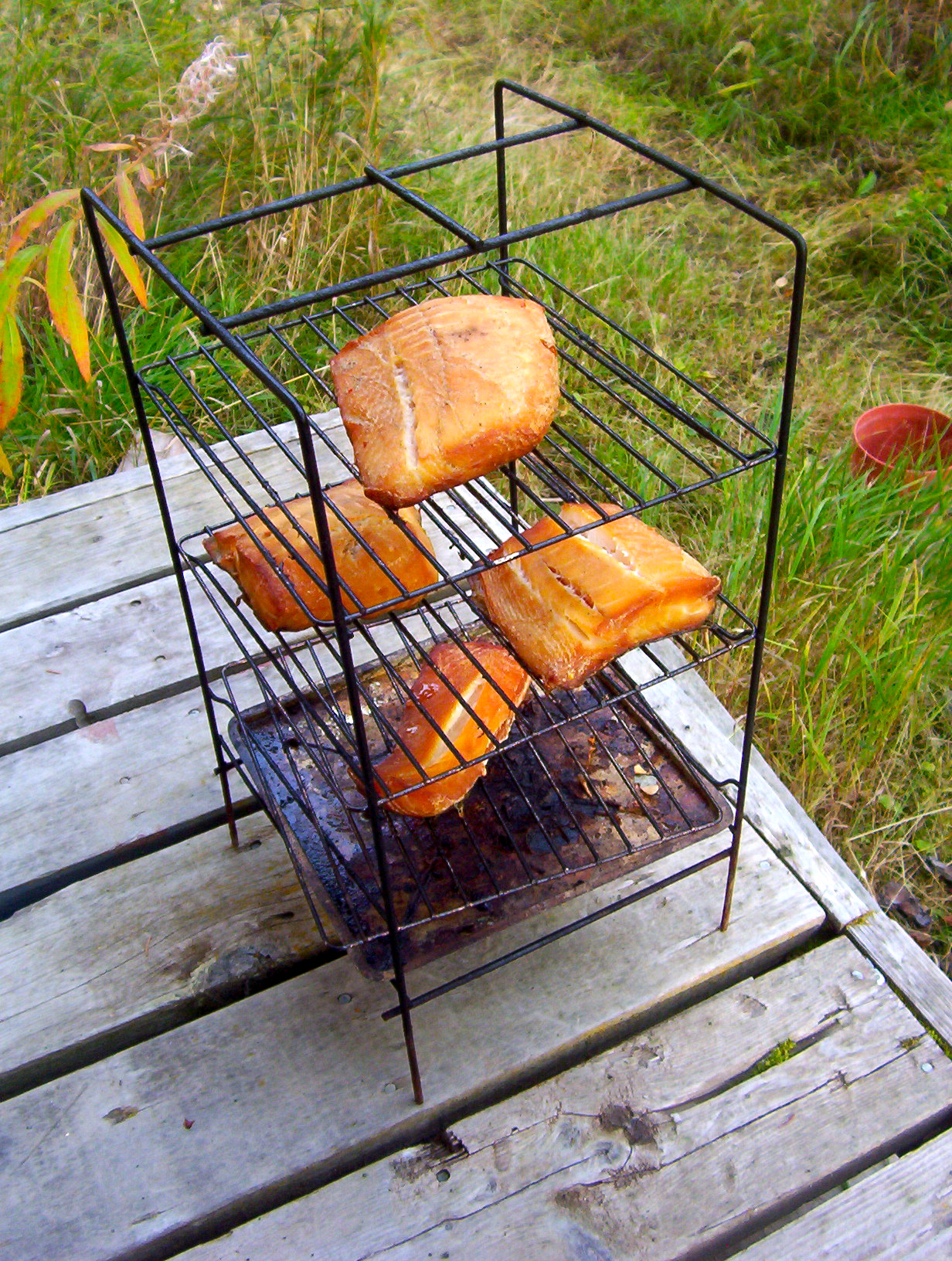
Two principal smoking techniques are used: cold smoking and hot smoking. Cold smoking exposes fish to smoke at relatively low temperatures so the product remains uncooked and develops a delicate, silky texture; cold-smoked salmon is commonly labeled in some markets as lox, though usage and definitions vary by tradition. Hot smoking both cooks and smokes the fish, producing a firmer, flakier product with a more pronounced smoky flavor. In either method, fish are often salted, brined, or air-dried before smoking to improve flavor, texture, and shelf life.
Common species and regional varieties
Many species are suited to smoking because of their oil content and flavor. In the United States, frequently smoked fish include salmon, mackerel, whitefish and trout. Northern Europe and the Netherlands offer both hot- and cold-smoked varieties of mackerel, herring and Baltic sprats, and in some Dutch provinces hot-smoked eel is a local specialty.
- Scandinavia and Russia: smoked and cured fish appear in many traditional dishes.
- Jewish cuisine: smoked salmon and other cured fish are common in deli traditions and holiday tables.
- British and Canadian traditions: strongly brined, smoked herring—historically called "red herring"—is commonly prepared as kippers.
Culinary uses and examples
Smoked fish are used across a wide range of dishes. Thinly sliced cold-smoked salmon is popular on bagels, canapés and in salads; hot-smoked fish are often flaked into spreads, pâtés and chowders. Kippers (split, salted and smoked herring) are traditionally served for breakfast in parts of the United Kingdom and Canada. Smoked fish can also be an ingredient in sandwiches, pasta dishes, and hors d'oeuvres, valued both for its savory depth and its concentrated umami character.
Preservation, storage and safety
Although smoking reduces microbial growth and slows spoilage, smoked fish are perishable and require refrigeration or freezing to maintain safety and quality. Modern commercial products are frequently vacuum-packed and refrigerated to prolong shelf life. Improperly processed or stored smoked fish can pose food-safety risks; for example, certain bacteria can grow under anaerobic, unrefrigerated conditions. Consumers should follow storage instructions on labels and handle smoked fish with the same care as other refrigerated seafood.
Terminology and notable distinctions
Terms around smoked and cured fish vary by region. Cold-smoked versus hot-smoked indicates whether the flesh is cooked by the process. Gravlax is a Nordic preparation in which salmon is cured with salt, sugar and dill without smoking; it is distinct from smoked salmon. "Lox" and "smoked salmon" are sometimes used interchangeably in casual contexts, but stricter definitions differ by tradition and preparation. Regional names—such as kipper for a split, smoked herring—reflect local processing methods and culinary roles.
Smoked fish remain important in many cuisines for their flavor, convenience and cultural associations. For practical guidance on different smoking methods, recipes and regional histories, consult introductory resources on the smoking process and regional culinary references such as those linked here: preservation techniques, salmon traditions, mackerel uses, trout preparations, Baltic and Dutch fish, eel specialties.
Questions and answers
Q: What are smoked fish?
A: Smoked fish are fish that have been cured by smoking.
Q: Why have humans smoked foods throughout history?
A: At first, smoking was done as a preservative.
Q: Why is fish generally smoked nowadays?
A: Fish is generally smoked nowadays for the unique taste and flavour that comes from the smoking process.
Q: What are the most common types of smoked fish in the US?
A: The most common types of smoked fish in the US are salmon, mackerel, whitefish, and trout.
Q: What is a common name for cold-smoked salmon?
A: A common name for cold-smoked salmon is lox.
Q: What are some examples of smoked fish commonly available in the Netherlands?
A: Some examples of smoked fish commonly available in the Netherlands include both hot- and cold-smoked mackerel, herring, and Baltic sprats.
Q: In which cuisines is smoked fish an important item?
A: Smoked fish is an important item in Russian cuisine, Jewish cuisine, and Scandinavian cuisine, as well as several Eastern and Central European cuisines.
Related articles
Author
AlegsaOnline.com Smoked fish: methods, species, regional traditions and uses Leandro Alegsa
URL: https://en.alegsaonline.com/art/91256