
Adder (Vipera berus): the common European viper
Vipera berus, the adder, is a small venomous viper found across Europe and into Asia. This article covers identification, behavior, venom effects, reproduction, range, and conservation.
Overview
The adder (Vipera berus) is a small to medium-sized venomous viper native to a broad band of Eurasia. It is well known across much of Europe and extends eastwards into parts of Asia. The adder occupies a variety of habitats and is the only venomous snake native to the British Isles. Although venomous, it is generally shy and bites humans only when threatened.
Image gallery
8 Images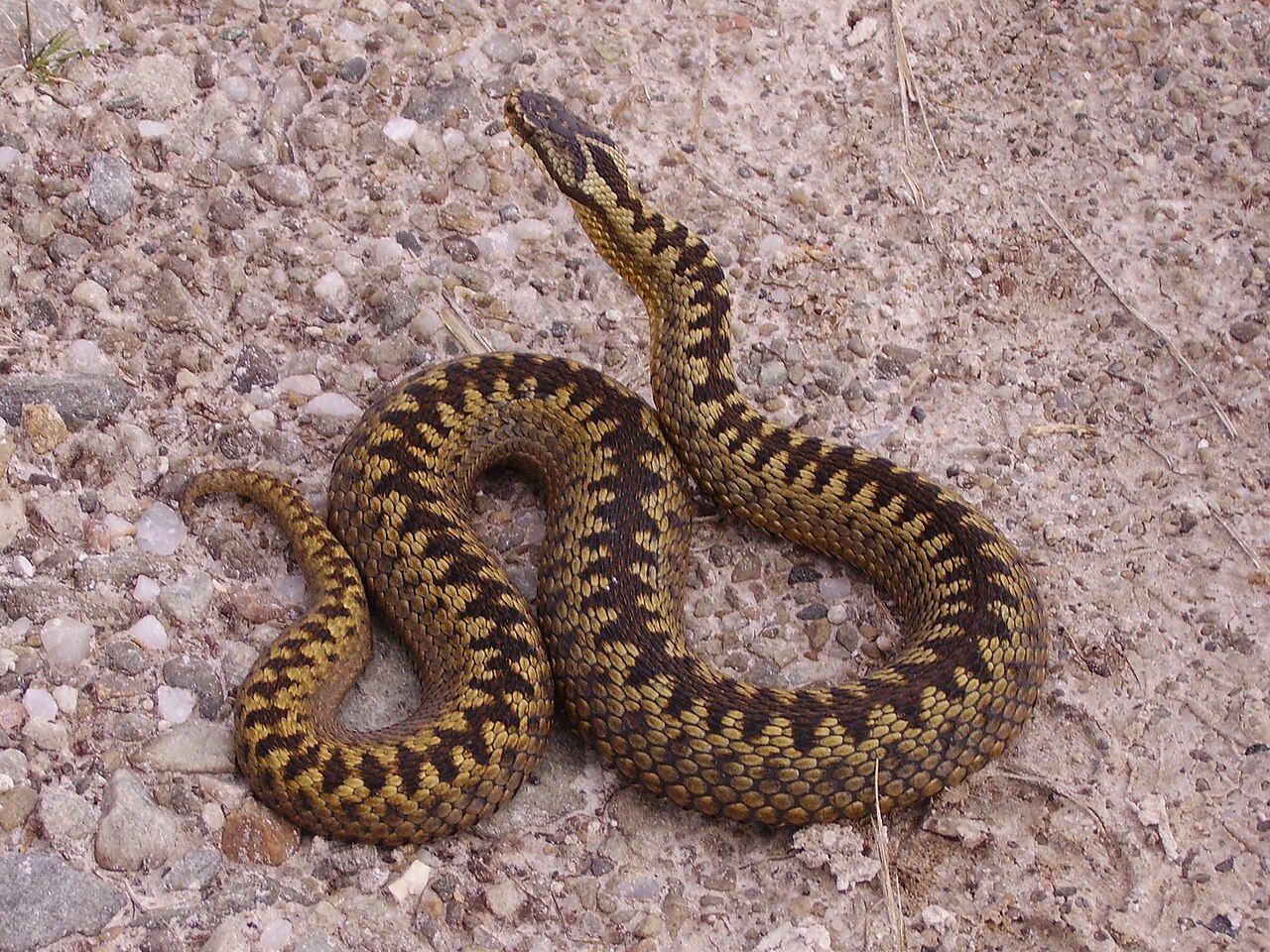



Identification and characteristics
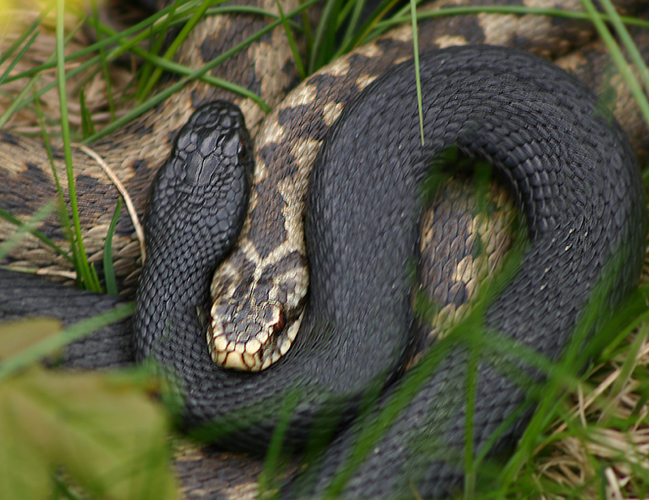
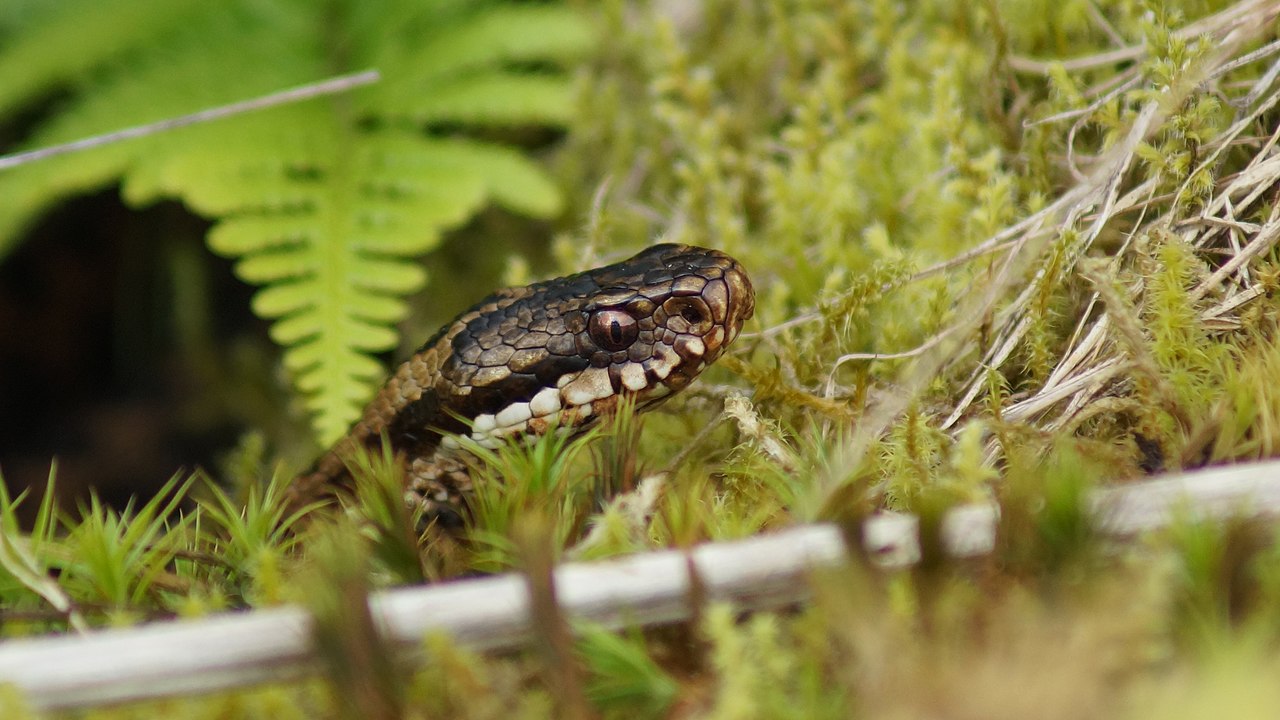
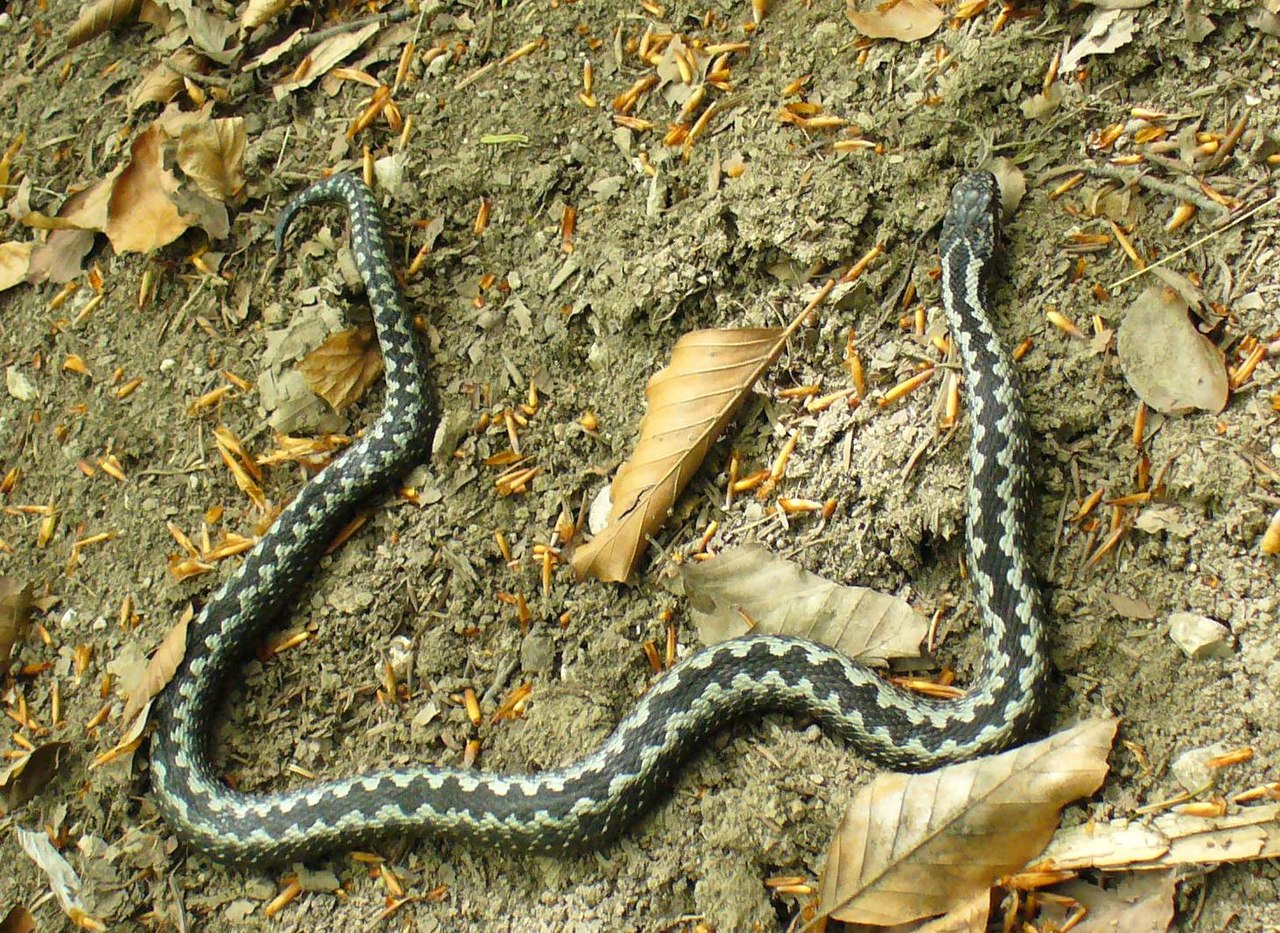
Adders show a number of recognizable features: a robust, stocky body, a distinct zigzag or ladder-like dorsal pattern in many animals, a relatively short tail, and a triangular head typical of vipers. Coloration varies with geography and individual variation; some populations include melanistic (all-black) individuals. Females and males may differ in color intensity and pattern sharpness.
- Size: typically small to medium, adults vary by region.
- Scales and pattern: keeled dorsal scales and a contrasting dorsal pattern in most specimens.
- Sexual dimorphism: males often brighter or with clearer patterning; melanism is more common in females in some areas.
- Reproduction: viviparous—females give birth to live young after internal development.
Distribution and habitat
The species ranges from parts of Western Europe through central and northern Europe and into portions of East Asia. It occupies open woodlands, heathlands, meadows, coastal dunes, and edge habitats such as field margins and clearings. In the British Isles it is the only native venomous snake and is found in scattered locations, often in sunny, sheltered sites. For broader taxonomic context see the family-level resource at viper entries and species-specific summaries at Vipera berus.
Behavior and diet
Adders are primarily diurnal in cooler seasons but may shift activity to dawn and dusk in warmer weather. They feed on small mammals such as voles and mice, amphibians, lizards and occasionally birds and large invertebrates. Adders use camouflage to ambush prey rather than actively pursuing it. They hibernate through the cold months in communal or individual refuges and emerge in spring to mate; young are born later the same year.
Venom and medical significance
Adder venom is adapted for subduing small prey and is generally described as hemotoxic. Bites in humans typically cause local pain, swelling and bruising; systemic symptoms are uncommon but can occur. Fatalities are rare in healthy adults, but bites can be more serious for young children, elderly people, or those with allergic responses. Prompt medical evaluation is recommended for any suspected bite.
Conservation and human interactions
Globally the adder is not regarded as highly threatened and has been assessed as of relatively low conservation concern in many parts of its range, but local populations can decline. Major threats include habitat loss, fragmentation, road mortality and persecution. In several countries adders are legally protected and conservation efforts emphasize habitat management, public education and reducing unnecessary killing. Their presence is ecologically valuable, helping control rodent populations and maintaining balanced ecosystems.
Notable facts and distinctions
The adder's wide distribution and variable appearance make it a frequently encountered species in temperate Eurasia. Its place as the sole venomous snake in places like the British Isles has made it a familiar subject in natural history and folklore. While caution around any wild venomous snake is sensible, adders play an important role in their habitats and are best respected and left undisturbed.
Questions and answers
Q: What is an adder?
A: An adder is a venomous viper that can be found throughout most of Western Europe and all the way to East Asia.
Q: Is the adder aggressive?
A: No, the adder is not aggressive and usually only bites when alarmed or disturbed.
Q: How dangerous is an adder bite?
A: Adder bites can be very painful, but they are rarely fatal.
Q: Is the adder the only venomous snake in the British Isles?
A: Yes, the adder is the only venomous snake in the British Isles.
Q: Is the adder threatened?
A: No, the adder is not threatened, though it is protected in some countries.
Q: Is the adder protected in all countries?
A: No, the adder is protected in some countries, but not all.
Q: Where can adders be found?
A: Adders can be found throughout most of Western Europe and all the way to East Asia.
Related articles
Author
AlegsaOnline.com Adder (Vipera berus): the common European viper Leandro Alegsa
URL: https://en.alegsaonline.com/art/912
Sources
- iucnredlist.org : iucnredlist.org/apps/redlist/details/157248/1