
Slot machine
A gambling device with spinning reels or video displays that produce random outcomes. Evolved from mechanical one-armed bandits to modern electronic and networked games with jackpots, bonuses, and regulated returns.
Overview
A slot machine is a gambling device that produces randomized outcomes when activated by a player who inserts money, a ticket or electronic credit. Known by regional names—American English often calls it a "slot" or "slot machine", in British English it may be called a "fruit machine", in Canadian English simply "the slots", and informally in Australia and New Zealand as "pokies"—these machines are a staple of land-based and online gaming. They are designed to be easy to use and provide rapid, repeated play with potential payouts determined by the arrangement of symbols and a random-determination system.
Image gallery
10 Images
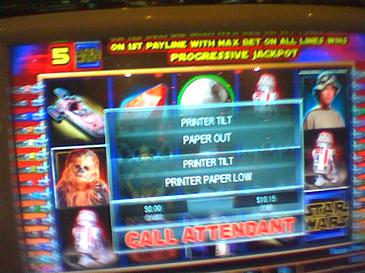


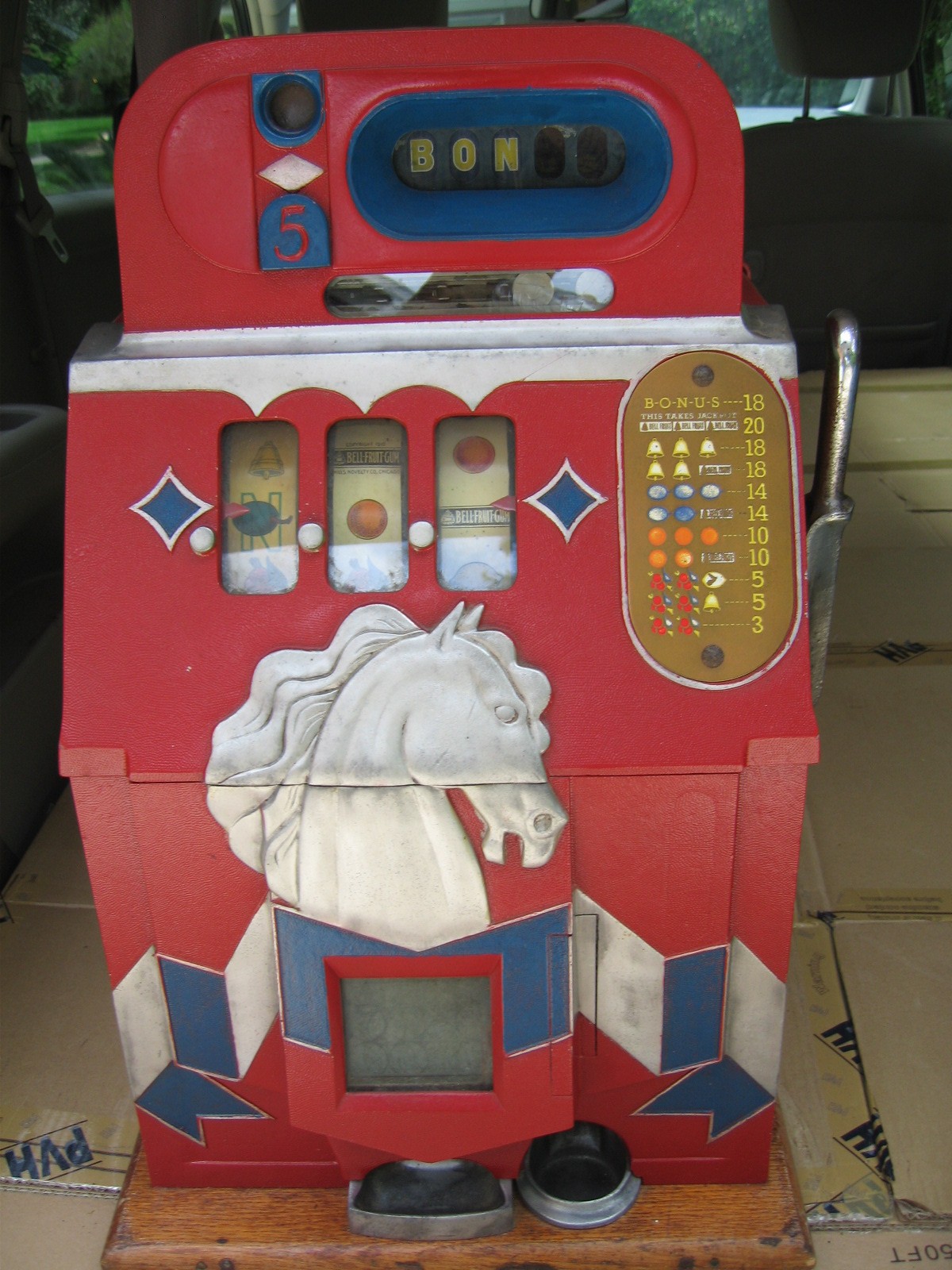


Components and how they work
Modern slot machines combine several elements to create and pay out results. Key parts include:
- Reels or video display: Traditional machines used physical spinning reels marked with symbols; contemporary units often use a screen that simulates reels.
- Paylines: Lines or patterns across which symbols must align to form winning combinations.
- Random number generator (RNG): A computer algorithm that determines outcomes by selecting numbers that map to specific symbols or positions, ensuring each play is independent.
- Credit and validation systems: Coin acceptors, bill validators, or ticket-in ticket-out (TITO) printers and card systems that handle wagers and cashout tickets.
- Payout mechanism: Either automatic coin/bill dispensing (older) or electronic crediting and ticket printing (modern).
History and development
The slot machine has roots in late 19th-century mechanical devices. Inventors refined lever-operated machines with pictorial symbols and poker-like combinations; one early influential developer was Charles Fey in the United States, whose late-19th-century designs introduced simple automatic payouts and iconic symbol combinations. Through the 20th century machines evolved from mechanical one-armed bandits to electromechanical models and then to fully electronic video slots. Electronic systems allowed more complex paylines, bonus features and the use of RNGs rather than strictly mechanical probability. Networked and online versions introduced wide-area progressive jackpots and multiplayer features.
Types, features and examples
Slots vary by technology and design. Major categories include:
- Mechanical and electromechanical slots: Early designs with physical reels and moving parts.
- Video slots: Use computer graphics to represent reels and can include bonus rounds, mini-games and animations.
- Progressive jackpot slots: Contribute a portion of wagers to a shared jackpot that grows until won.
- Skill-influenced or hybrid games: Primarily chance-based but may include small skill elements in bonus rounds.
Common game features are wild symbols, scatters, free spins, multipliers and bonus rounds that enhance entertainment value and provide alternative payout paths. Operators set parameters such as the paytable and theoretical return-to-player (RTP), which influences the long-term payout percentage.
Uses, regulation and social impact
Slot machines are the dominant revenue source in many gaming venues because they accommodate many players simultaneously and require no specialized knowledge to play. They appear in casinos, cruise ships and, where permitted, other gaming halls. Regulations govern technical standards, payout percentages, and protections against tampering; jurisdictions often require independent testing and certification. Because of their accessibility and rapid play, slots are also central to discussions about gambling addiction and consumer protections; many regulators and operators provide limits, self-exclusion programs, and responsible-gaming resources.
Notable distinctions and facts
Regional terminology and legal frameworks vary: in some countries legal restrictions mean machines award non-cash prizes, vouchers or tokens rather than direct cash payouts. Technological changes have moved the industry from lever-driven mechanisms to software-defined outcomes, enabling detailed analytics, loyalty integration and remote updates. For historical context and further reading on cultural names and regulation, see general references on gambling and gaming venues such as casino resources. For language-specific naming conventions, see Australian usage and New Zealand usage.
Slot machines remain a prominent part of gaming culture worldwide: simple to play, technologically adaptive, and economically significant within the regulated gambling industry.
Questions and answers
Q: What is a slot machine?
A: A slot machine is a casino gambling machine with set of numbers or pictures that after putting money in it and pressing button will randomly spin. The game is popular in casinos as it is an easy and hassle free way to gamble money.
Q: How do slot machines work?
A: Slot machines have reels which have symbols, and when the player goes to play, a built-in random number generator generates results in different symbols. If the same numbers or pictures line up, the player will win their bet or multiplier of it. Slot machines also include a currency detector that detects if coins and notes are real ones and what values they have.
Q: Who invented the first slot machine?
A: The first slot machine was invented by Charles Fey of San Francisco, California, U.S in 1894.
Q: What did Charles Fey build in 1895?
A: In 1895, Charles Fey built the 4-11-44 in his basement; it proved so successful at a local saloon that he soon quit his job and opened a factory to produce more units.
Q: What was special about the Card Bell slot machine?
A: The Card Bell was special because it was the first three-reel slot machine with automatic cash payouts; it had a handle that set the reels in motion when it was pushed down and playing card suitmarks that lined up to form poker hands.
Q: What made Liberty Bell so popular among saloon patrons?
A: Liberty Bell proved immensely popular among saloon patrons because of its use of horseshoes and bells as well as playing card suitmarks on its reels; three bells lined up in a row meant the top payout.
Q: How many Liberty Bell machines survive from 1906 San Francisco earthquake?
A:Only 4 out of more than 100 Liberty Bell machines built by Fey survived from 1906 San Francisco earthquake
Related articles
Author
AlegsaOnline.com Slot machine Leandro Alegsa
URL: https://en.alegsaonline.com/art/91136
Sources
- opsi.gov.uk : "The Gaming Act 1968 (Variation of Monetary Limits) Order 2005"
- slidesearchengine.com : "Is it safe to play online slots"
- onlineslotsdirectory.com : "Online slot"
- theatlantic.com : "How slot machines give gamblers the business"
- casinogambling.about.com : "The Reel/Real First Slot Machine"