
Slighting: deliberate damage to fortifications and important buildings
Slighting is the intentional damaging or partial demolition of a building—especially castles—to render it militarily useless. Used historically as warfare tactic, punishment, or preventative demolition.
Slighting denotes the purposeful damaging, partial demolition, or rendering-unusable of an important structure, most commonly fortifications such as castles. The aim is not merely to destroy for its own sake but to remove the building's military, administrative or symbolic value so it cannot be reused by opponents. Slighting has occurred as a strategic act in warfare, as a form of political punishment, and sometimes as a precaution by owners to keep the site from falling into enemy hands.
Image gallery
7 Images


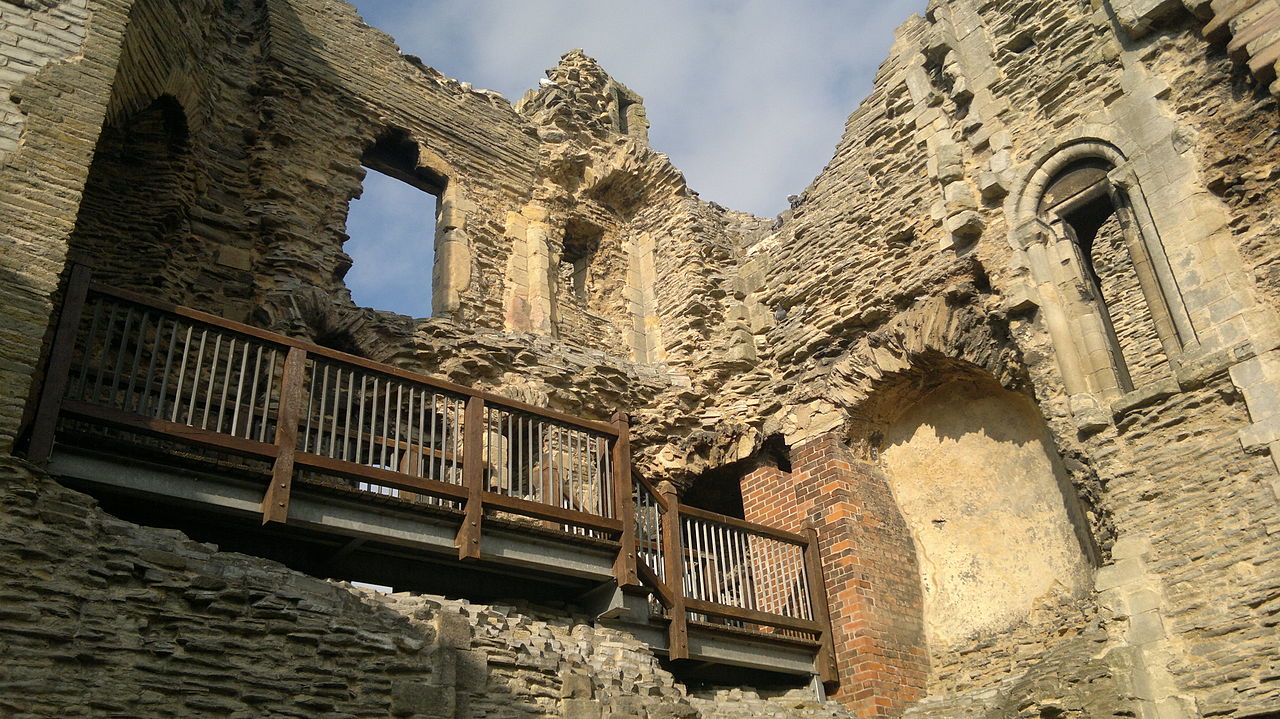


Methods and characteristics
Techniques of slighting vary with period, resources and intent. Medieval and early modern methods often targeted key defensive features rather than complete razing. Common approaches included undermining or collapsing curtain walls, taking down towers and gatehouses, removing roofs and floors so interiors would rot, and filling or breaching moats and ditches. From the gunpowder era onward, explosives could be used to blow breaches in masonry. Work might be carried out by a besieging army, royal order, or by the owner under duress.
Historical context and examples
Slighting was widespread in the Middle Ages and into the early modern period. Because private fortifications represented concentrated local power, rulers regulated their construction (for example through licences to fortify) and sometimes ordered unauthorised structures dismantled. Castles and fortified houses across Europe were slighted after rebellions or sieges: a sovereign could make an example of a recalcitrant noble by removing his stronghold. Owners themselves occasionally slighted a site to deny it to an advancing enemy.
One well-known wave of state-sanctioned slighting occurred during the English Civil War, when many royalist and strategic castles were deliberately incapacitated. Notable ruined sites that survive as picturesque reminders of this practice include Corfe and Kenilworth; their partial destruction explains why they stand as ruins rather than restored fortresses. The practice is documented for many other castles across Britain and continental Europe.
Consequences and legacy
After slighting, outcomes ranged from rapid repair and reoccupation to permanent abandonment. Some landsitters rebuilt or modernised remaining structures; others left ruins that became sources for building stone or later romantic ruin tourism. For archaeologists and historians, slighted sites are important because the patterns of damage can reveal siegecraft, political decisions and techniques of demolition. In modern heritage practice, slighted ruins are often stabilised and interpreted rather than restored to their former military function.
Distinctions and notable facts
- Slighting vs demolition: demolition removes all utility or value for any purpose, while slighting specifically targets military or administrative usefulness.
- Political instrument: slighting could be punitive—used by rulers to suppress rebellion—and symbolic, sending a message about the limits of local autonomy.
- Archaeological value: deliberate damage patterns help researchers reconstruct events and technologies of siege and demolition.
Understanding slighting places ruined castles and fortified sites in their historical context: many ruins visible today are not just victims of time, but deliberate outcomes of past military and political choices.
Questions and answers
Q: What is slighting?
A: Slighting is the deliberate damage of an important building, especially castles in the Middle Ages.
Q: Why were castles slighted during the war?
A: Castles were slighted during war to prevent them from being used by the enemy or rebels. It was a way to weaken the defenses of the opposition.
Q: Who were the owners of castles in the Middle Ages?
A: Rich and powerful people built and owned castles in the Middle Ages, and they were proud of their possessions.
Q: Why would a king or queen use slighting as a way to punish people?
A: A king or queen could use slighting as a way to punish people who rebelled against them or to threaten their power, as castles were seen as symbols of wealth and strength.
Q: Why would an owner deliberately break parts of the castle?
A: Sometimes the owner feared they would lose the castle in an attack, and broke parts of the castle so that it would not be useful to other people.
Q: Under what circumstances might a king or queen order someone to dismantle their own castle?
A: A king or queen might order someone to dismantle their own castle if they did not get permission to build it, as they wanted to maintain their control over the country's infrastructure.
Q: Why are some famous castles like Corfe and Kenilworth in ruins?
A: Many famous castles like Corfe or Kenilworth are ruins because they were slighted during the English Civil War, which was a period of political upheaval and unrest in Britain.
Related articles
Author
AlegsaOnline.com Slighting: deliberate damage to fortifications and important buildings Leandro Alegsa
URL: https://en.alegsaonline.com/art/91108