
Adasaurus — a small dromaeosaur from the Late Cretaceous Gobi Desert
Adasaurus is a small dromaeosaurid theropod known from late Cretaceous deposits in Mongolia; notable for its sickle-shaped toe claw and fragmentary fossil record.
Overview
Adasaurus is a genus of small, bird-like theropod placed in the dromaeosaurid family, a group often called dromaeosaurs. As a member of the larger category of dinosaurs, it lived during the Upper Cretaceous and has been recovered from deposits in Central Asia. Body proportions suggest a lightly built, active predator roughly two metres (about 6.2 feet) in length when fully grown. Like other dromaeosaurids, Adasaurus is characterized most conspicuously by a large, recurved, sickle-shaped claw on the second toe of each hind foot.
Image gallery
10 Images
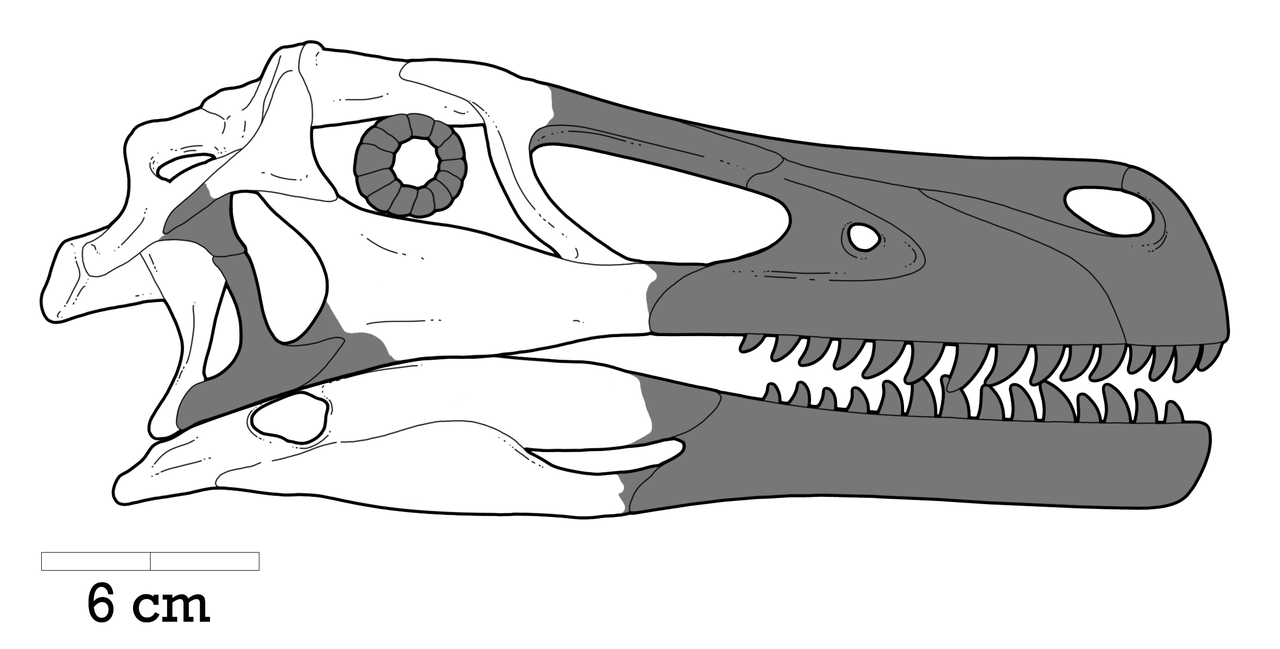


Anatomy and notable traits
Known material indicates a gracile animal with long hindlimbs adapted for running and grasping. The enlarged second pedal claw and the structure of the pelvis and hindlimb bones match the diagnostic pattern seen in many relatives. Although no direct fossil evidence of feathers has been found for Adasaurus itself, close relatives within Dromaeosauridae preserve feathers, so it is reasonable to infer that Adasaurus may also have been feathered. The skull remains are incomplete, limiting detailed reconstructions of its feeding adaptations, but dental and jaw proportions point to a small carnivorous diet consisting of vertebrate and invertebrate prey.
Fossils and discovery
All known specimens of Adasaurus come from the southern Mongolian Gobi Desert. Two partial skeletons have been described: one includes an incomplete skull, a largely preserved vertebral column (missing the distal tail), the shoulder girdle, pelvis and hindlimbs; the other preserves the rear portion of a second individual including hindlimbs. Both specimens are curated in the collections of the Mongolian Geological Institute in Ulaanbaatar, Mongolia. The fragmentary nature of the finds means that many anatomical details remain uncertain and open to reinterpretation as new material is discovered.
Age, geology and paleoenvironment
The rocks that yielded Adasaurus belong to Upper Cretaceous strata in the Gobi region. As with much of Mongolia's later Cretaceous sediments, precise dating is difficult; current estimates place these beds roughly between 74 and 65 million years ago. During that time the area supported diverse dinosaur communities. Other genera reported from the same units or nearby localities include large theropods such as Tarbosaurus, ornithomimid-like taxa such as Anserimimus and hadrosaurids like Saurolophus, which together indicate a range of habitats from arid plains to seasonal wetlands within this formation.
Significance and relationships
Adasaurus contributes to our understanding of the diversity and biogeography of Asian dromaeosaurids in the Late Cretaceous. Its combination of characteristic dromaeosaur features and localized differences helps paleontologists refine evolutionary relationships within the group and assess how different species partitioned ecological roles. Because the fossil record for many small theropods is incomplete, each specimen—however fragmentary—provides useful anatomical data and helps anchor broader comparisons between Asian and other continental faunas.
Further reading and context
For more information about small Cretaceous theropods and the Gobi paleofauna, consult specialist summaries and regional reviews that cover dromaeosaur anatomy, the sedimentary context of the Mongolian deposits, and lists of contemporaneous genera. Online and museum resources often provide images and specimen data; for institutional holdings and specimen access see the repositories listed by regional geological surveys and museums. Relevant resources include general pages on dromaeosaurs, regional stratigraphy summaries (strata and later Cretaceous sediments), and taxon pages for co-occurring dinosaurs such as Tarbosaurus and Saurolophus.
- Key fossils: Two partial skeletons from the Gobi Desert (Gobi Desert, Mongolia).
- Geological age: Estimated Late Cretaceous (~74–65 Ma).
- Repository: Mongolian Geological Institute.
Researchers continue to revise hypotheses about Adasaurus as new discoveries and comparative studies shed light on the anatomy and evolution of small predatory dinosaurs in Asia. For institutional or specimen queries, contact regional collections or consult recent reviews of Asian dromaeosaurid diversity and distribution.
Questions and answers
Q: What is Adasaurus?
A: Adasaurus is a Dromaeosaur theropod dinosaur from the Upper Cretaceous that lived in what is now Central Asia.
Q: What was Adasaurus' size?
A: An adult Adasaurus was about 6.2 feet (2 meters) long.
Q: What made Adasaurus a carnivore?
A: Adasaurus was a carnivore due to its diet of meat.
Q: What feature did Adasaurus have on its hind feet?
A: Adasaurus had a large, sickle-shaped claw on the second toe of each hind foot.
Q: Have any fossils of Adasaurus been found?
A: Yes, two specimens of Adasaurus have been found, both from the Gobi Desert of southern Mongolia.
Q: What other dinosaurs were found in the same formation as Adasaurus?
A: Other dinosaurs found in the same formation as Adasaurus include Tarbosaurus, Anserimimus, and Saurolophus.
Q: Where are the two specimens of Adasaurus currently stored?
A: Both specimens of Adasaurus are in the collection of the Mongolian Geological Institute in Ulaanbaatar, Mongolia.
Related articles
Author
AlegsaOnline.com Adasaurus — a small dromaeosaur from the Late Cretaceous Gobi Desert Leandro Alegsa
URL: https://en.alegsaonline.com/art/909